Search

Funding Opportunities for Small-Scale Pollinator Habitats: A Guide for Urban and Home Garden Projects
Learn about some of the many funding opportunities available for urban pollinator habitat projects of all sizes and scopes.
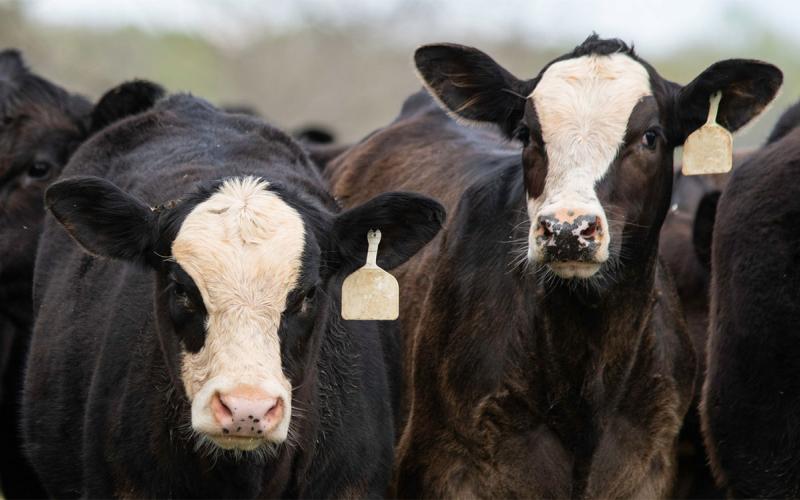
Sell the Feeder Calf, or Create a Yearling?
Fall brings many weaning and selling time decisions for cattle operations. Learn some expert tips for evaluating your current situation and making informed management decisions given the price of calves, feed, and the futures market.
When the Pens are Empty, the Data Talks
During this episode of Cattle HQ, Madison Kovarna sits down with Dr. Justin Waggoner from Kansas State University.
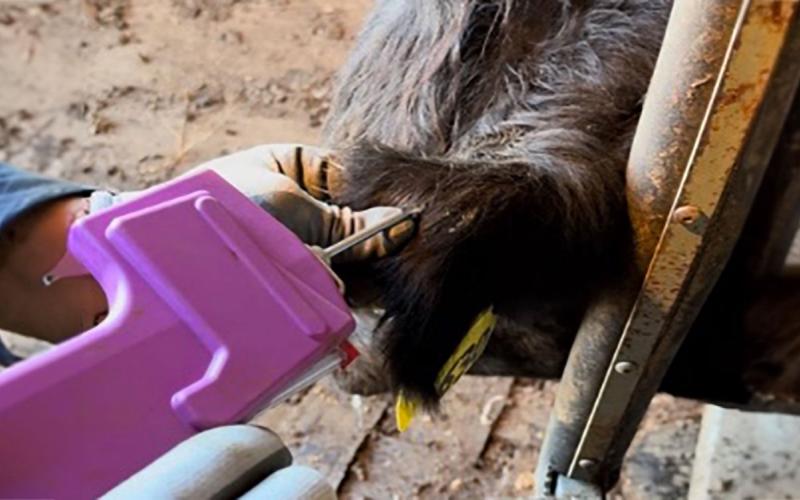
Implanting Nursing Calves
Implanting nursing calves is a cost-effective way to increase weaning weight and improve your financial bottom-line. Learn some expert tips for choosing the right implant for your operation.
Grazing and Recreation on South Dakota School and Public Lands
Ryan Brunner, Commissioner of State School and Public Lands, shares some excellent information for those interested in understanding more about grazing and hunting on South Dakota school and public lands.

What’s the Beef With Ground Beef?
Unpack some of the common myths about the appearance, quality and processing of store-bought ground beef products.
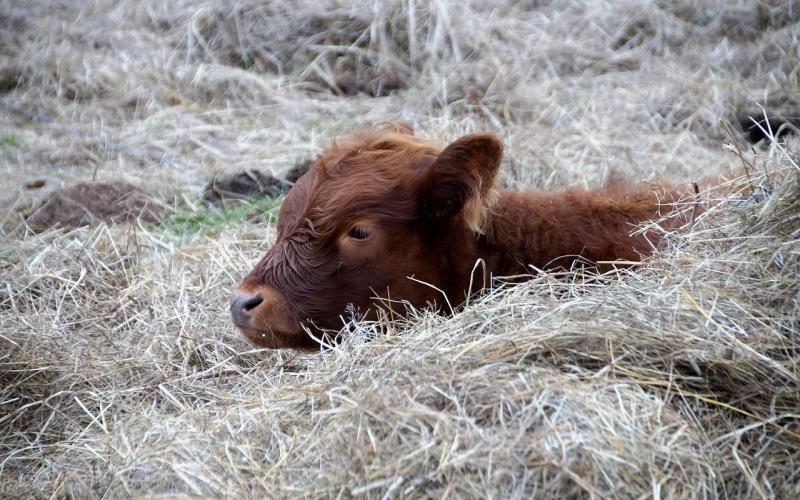
Summer Pneumonia in the Beef Herd
Respiratory disease in pre-weaned beef calves on pasture can be a concern for cow-calf producers, and outbreaks are frustrating for cattle producers and veterinarians alike.

Canning Meats and Poultry
Canning is a great method to preserve and extend shelf life for many types of foods, including meat products. Using safe preparation and storage practices allows for anyone to store nutritious, high-quality protein.
Bovine Congestive Heart Failure Part 2
In this episode of Cattle HQ, Olivia Amundson and Kiernan Brandt, former SDSU Extension Cow/Calf Field Specialists, continue their discussion of bovine congestive heart failure and health alongside Brian Vander Ley, University of Nebraska Veterinary Epidemiology Field Specialist and Interim Director of the Great Plains Veterinary Educational Center.

Winter Mineral Nutrition for Beef Cows
Winter supplementation often focuses heavily on meeting protein and energy requirements of cows and tends to leave mineral nutrition as almost an afterthought. In reality, meeting all nutrient requirements, including energy, protein, minerals, vitamins, and water are equally important.