Search
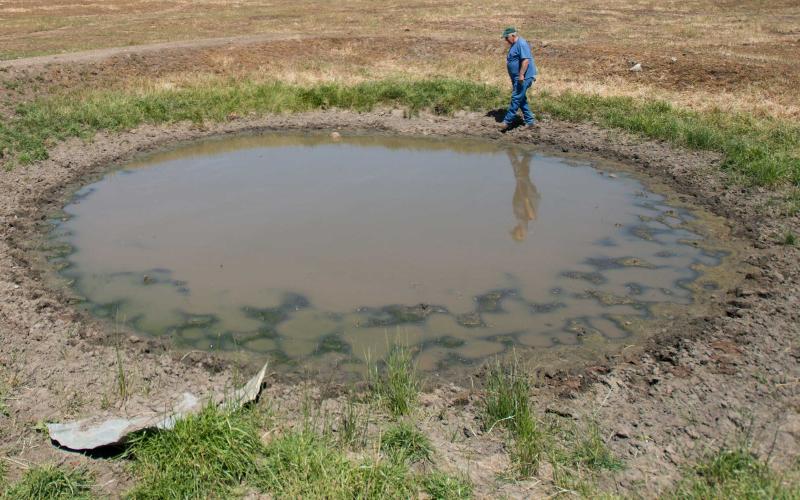
How Do Sulfates in Water Affect Livestock Health?
Poor-quality water will cause an animal to drink less. As a result, they also consume less forage and feed, which leads to weight loss, decreased milk production and lower fertility.
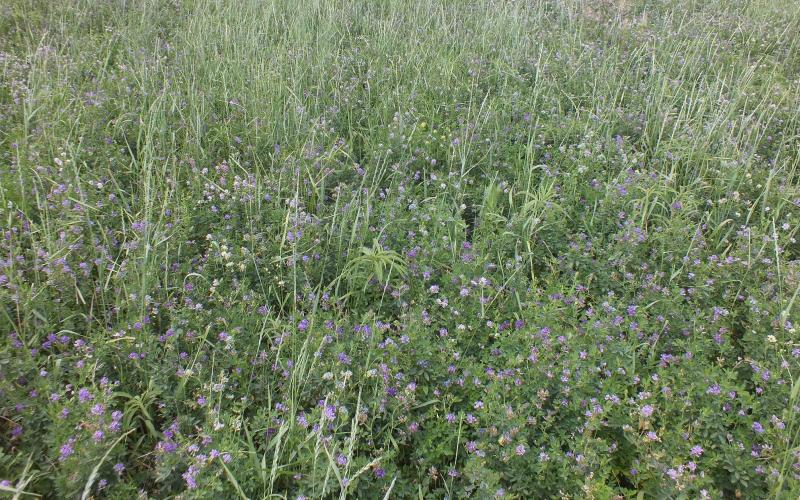
Precautions for Grazing Weevil-Infested Alfalfa
Alfalfa weevil populations are high this year, creating challenges for producers. Questions have arisen on how to get some value out of the forage by grazing it rather than putting it up for hay.
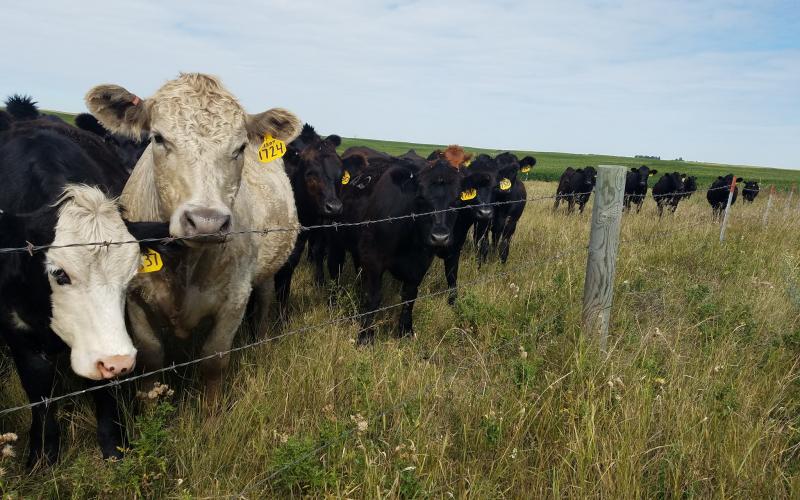
Cows Eat Weeds
By utilizing grazing as a means of cultural control, producers have the potential to decrease input expenses while reaping the benefits of inexpensive weed control through animal nutrition.
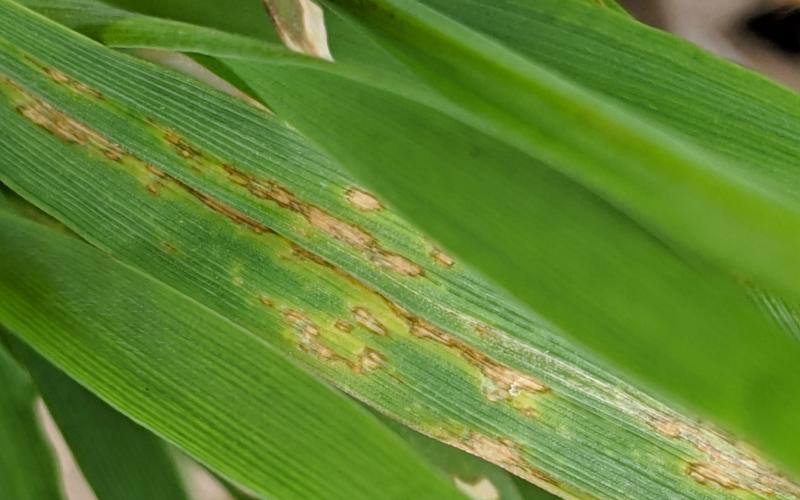
Bacterial Leaf Blight Developing in Winter Wheat
Recent winter wheat scouting found bacterial leaf blight developing in some fields. Bacterial leaf blight is caused by the bacteria, Pseudomonas syringae pv. syringae. The disease develops under frequent rains between 59 and 77 degrees Fahrenheit.
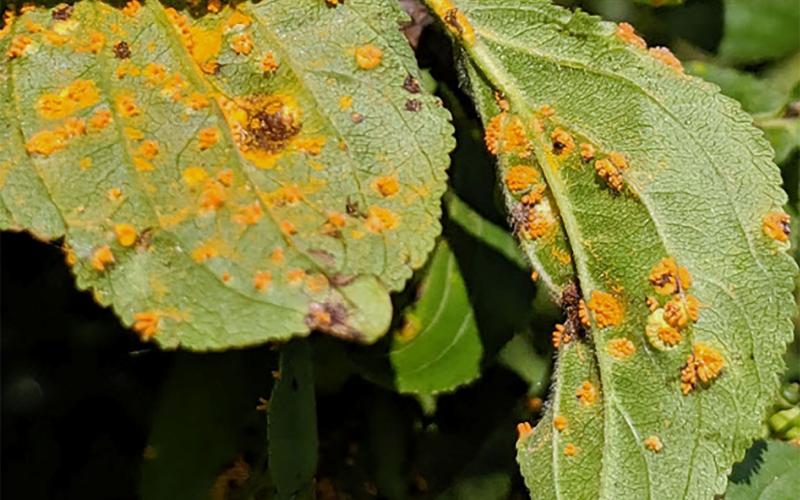
Oats Crown Rust Inoculum Abundant This Year
Crown rust is the most important fungal disease of oats in South Dakota. In years with heavy disease pressure, susceptible cultivars can have over 80% yield loss due to crown rust. The presence of crown rust inoculum on buckthorns can be an indication of the likely risk for crown rust to develop during the growing season. Buckthorns scouted recently were loaded with crown rust inoculum.
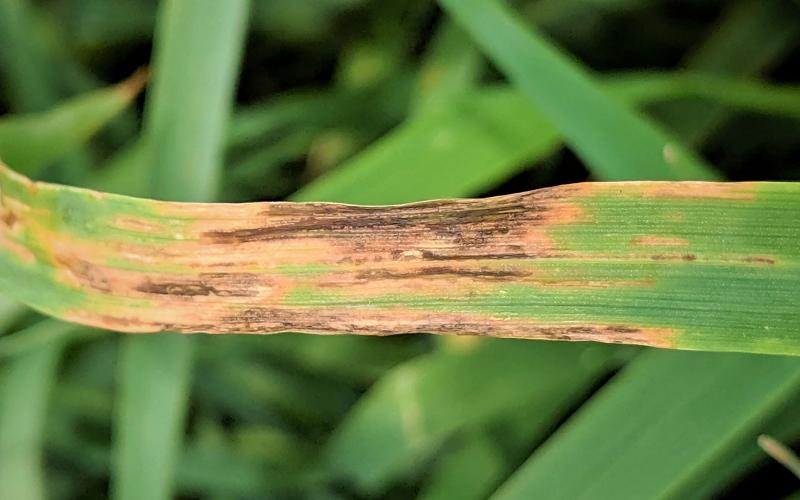
Bacterial Blight Developing in Oats
Oats scouted in a few fields in the Eastern and South Central parts of the state were found with bacterial blight developing on the lower leaves. Plants infected have leaves with water-soaked brown longitudinal lesions in the top-half of the leaf. Severe symptoms can lead to premature leaf death.
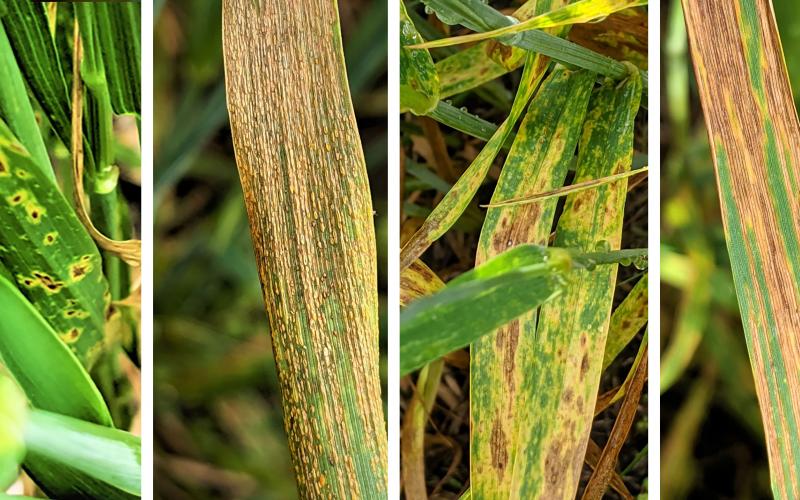
Winter Wheat Disease Update: Leaf Diseases and FHB on the Increase
Winter wheat fields scouted last week show an increase in fungal leaf diseases and bacterial leaf streak. Among the fungal diseases, the most common leaf diseases are tan spot, Stagonospora leaf blotch, and stripe rust. The risk for Fusarium head blight has also started to increase in a number of areas in the state.
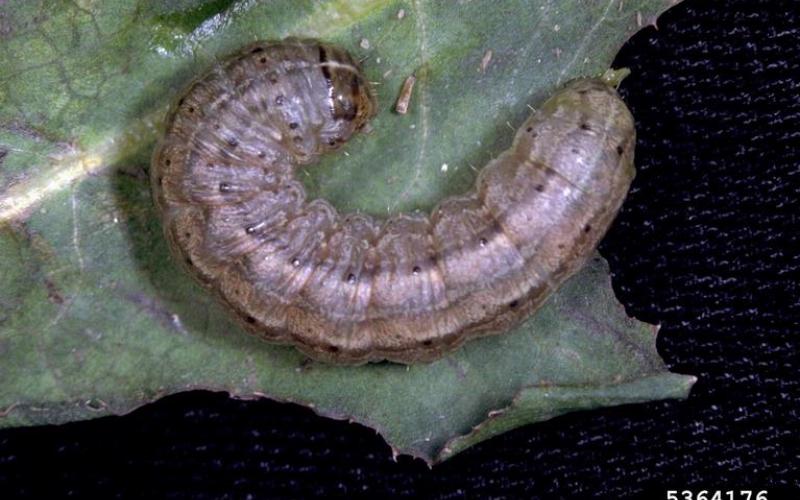
Monitor Alfalfa for Cutworm Activity
During the spring, there are a lot of insects to scout for in alfalfa. One pest group that should be focused on right now are cutworms. There are a couple of cutworm species that are active earlier in the season than others.
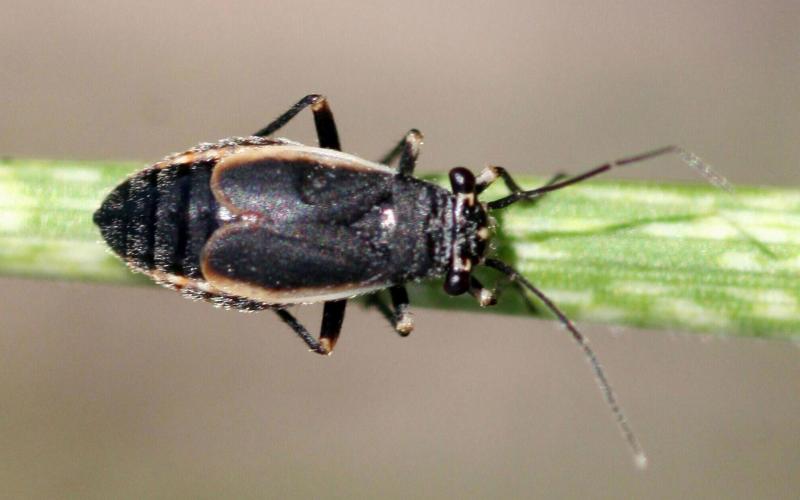
Be on the Lookout for Black Grass Bugs
It’s time to begin scouting pasture and wheat for the presence of black grass bugs. Last year, we saw the highest populations in areas of Central and Southwestern South Dakota. If left untreated, black grass bug populations tend to increase year after year.
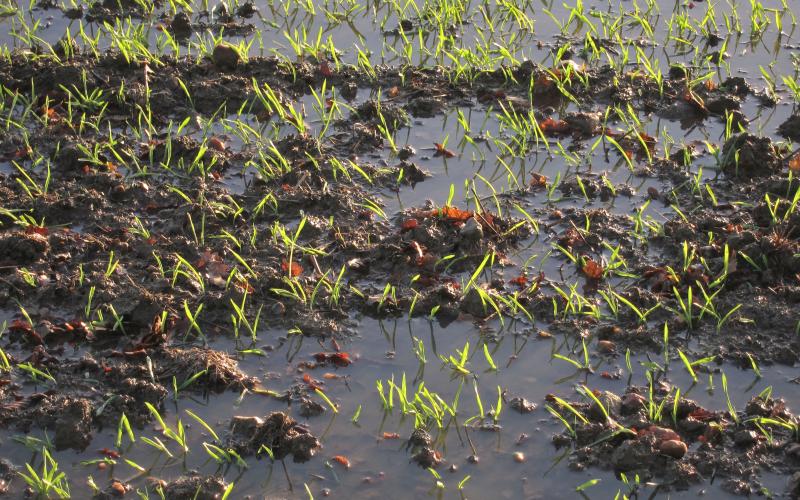
Wet Feet in Wheat
Given the widespread wet conditions present this spring, there are many areas in winter wheat fields with both ponding and saturated (or waterlogged) soils. Producers may want to consider soil conditions and evaluate extended weather forecasts when deciding whether or not to retain a winter wheat this spring.