Search
Prussic Acid Precautions
During periods of drought, it is important to aware of the factors that can be a concern during these conditions, specifically nitrates and prussic acid. It is important to take precautions when using feeds that could contain one or both compounds.
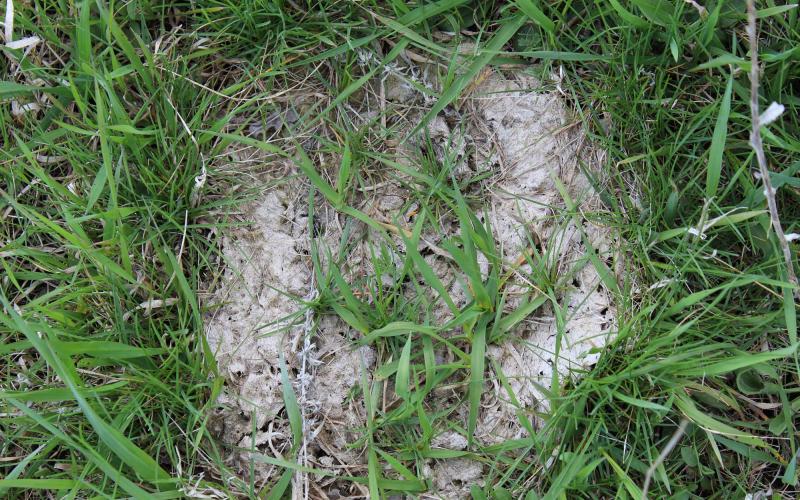
Dung Beetles and Other Insects Can Help Breakdown Dung and Control Pests
This article summarizes findings related to dung beetle ecology and how dung beetles advance the breakdown of dung pats.
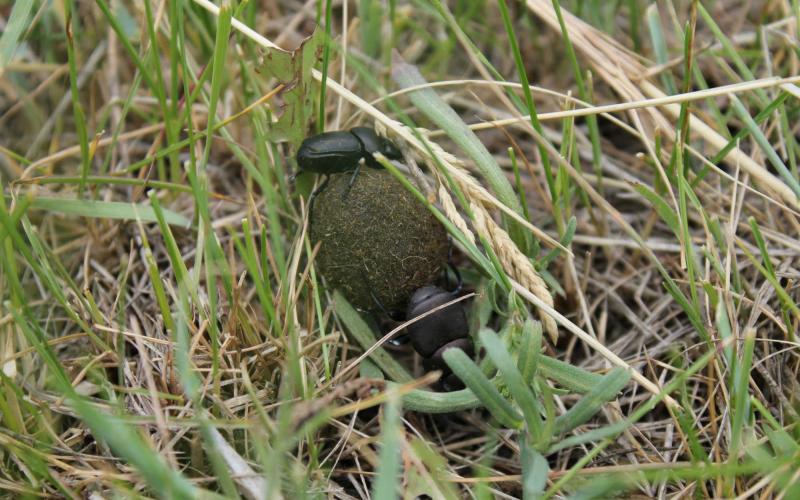
Managing Livestock for Dung Beetles and Other Beneficial Species
South Dakota researchers have taken a closer look at the function of dung beetles in Eastern South Dakota over the last few years. This article summarizes findings related to management of livestock grazing and chemical pesticides in relation to dung beetle and insect community health.
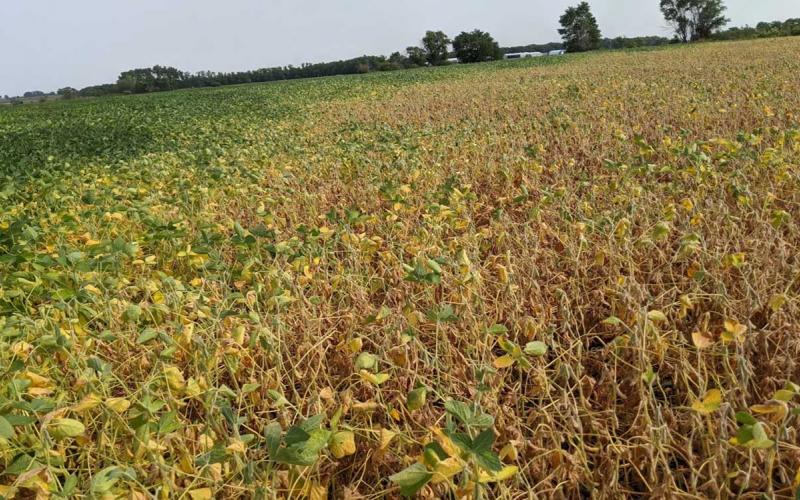
Drought Stress or Stem Canker Killing Soybean Plants?
Several soybean fields scouted in a number of Eastern counties have plants dying or dropping leaves prematurely. While the majority of these fields have drought stress causing early senescence, a few fields have also stem canker developing

How to Choose the Right Adjuvant for the Job
With the rise of herbicide-resistant weeds, the use of an adjuvants is also on the rise and may be necessary to help control resistant weeds.
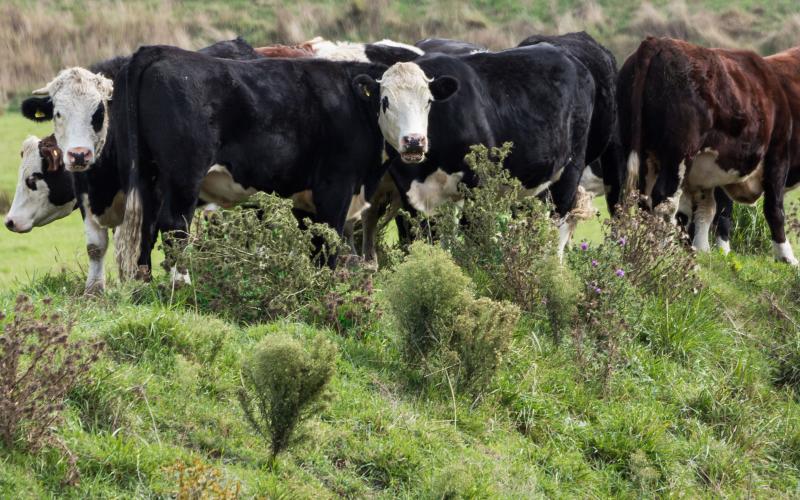
Alternative Pasture Weed Control
The term ‘weed’ can be broadly applied to any plant that is undesirable at any given time and place based on certain criteria. It is important to understand that the word ‘weed’ has become a general term with no universal definition, and many plants are considered to be weeds, depending on location.
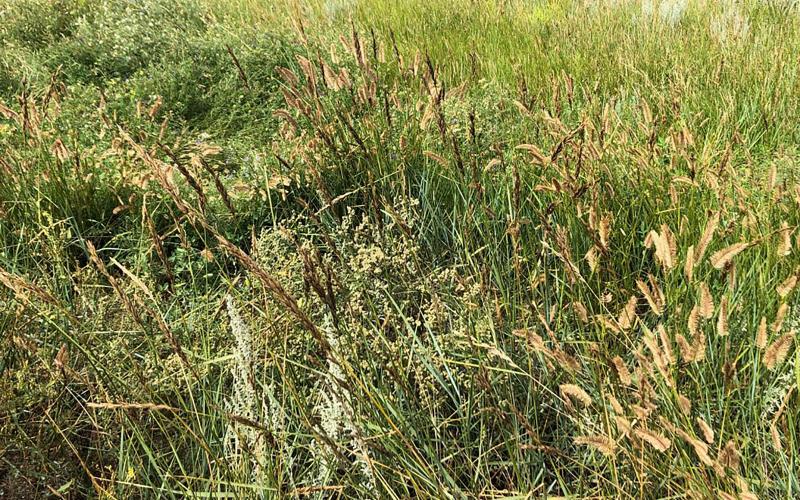
Ergot in Western Wheatgrass and the Potential Effects for Winter Grazing
2019 has been a year fraught with challenges for ranchers across South Dakota. Abundant precipitation is usually a blessing, however, wet conditions coupled with a cool spring followed by warmer temperatures has caused another problem across the rangelands of South Dakota: ergot poisoning.
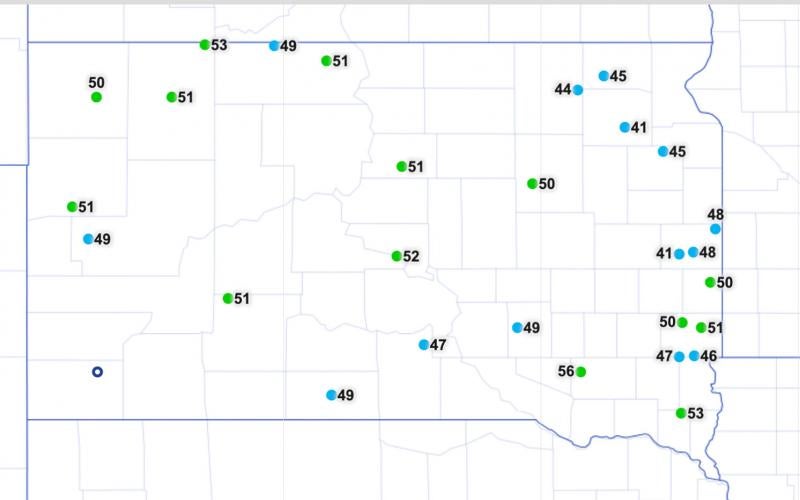
Soil Temperature for Planting Spring Crops
Soil temperature is an important consideration for deciding when to begin planting spring crops. If producers in South Dakota would like a quick reference for soil temperatures in their area, the SD Mesonet network measures soil temperature at several weather stations throughout the state.
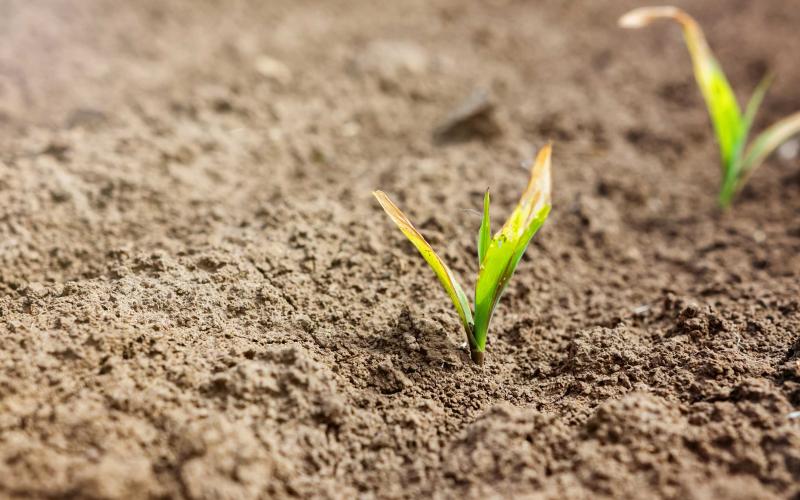
Low Temperature Damage to Corn and Soybean
Temperatures are forecast to reach 32°F or lower in large areas of South Dakota for several nights beginning on May 7, 2020. While a relatively low percentage of planted crops are likely to be emerged at this point in time, producers may still want to evaluate individual fields for crop damage.
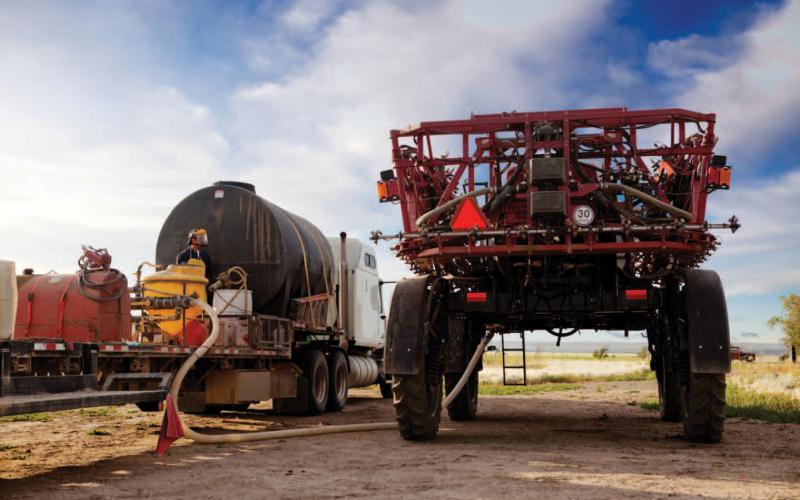
Alternatives to Postemergence Dicamba Applications
Cancellations of three dicamba labels on June 6, 2020 by the U.S. Environmental Protection Agency, left many farmers looking for options for effective weed control this summer.