Search
Economic Considerations for Early Weaning
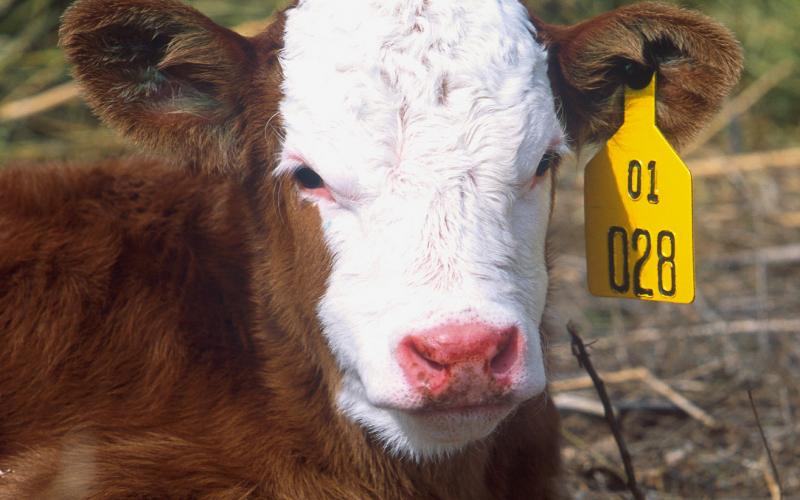
There is an excellent reason why ranchers use early weaning as a drought management tool: Weaning calves early reduces the amount of feed required to maintain the cow.
Minimizing Hay Storage Loss From Heating or Fires
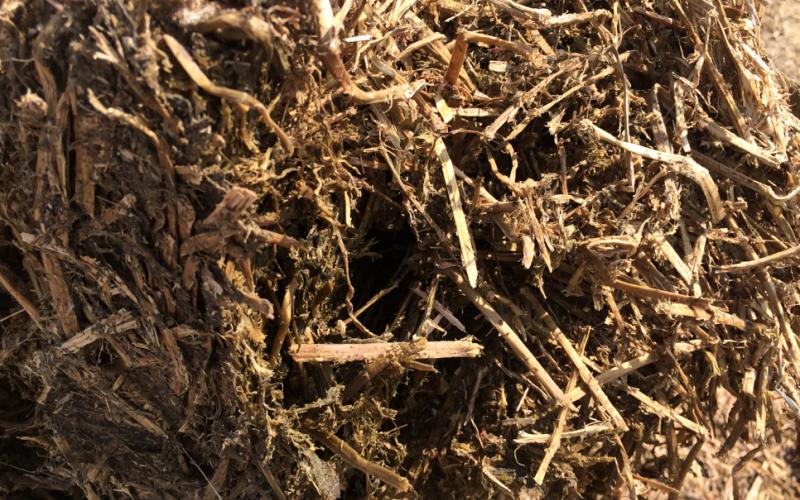
Successful hay storage is essential to preserving high quality forage, while ensuring desired performance from livestock and deterring economic losses from unwanted hay storage fires.
Importance of Pregnancy Detection During a Dry Year
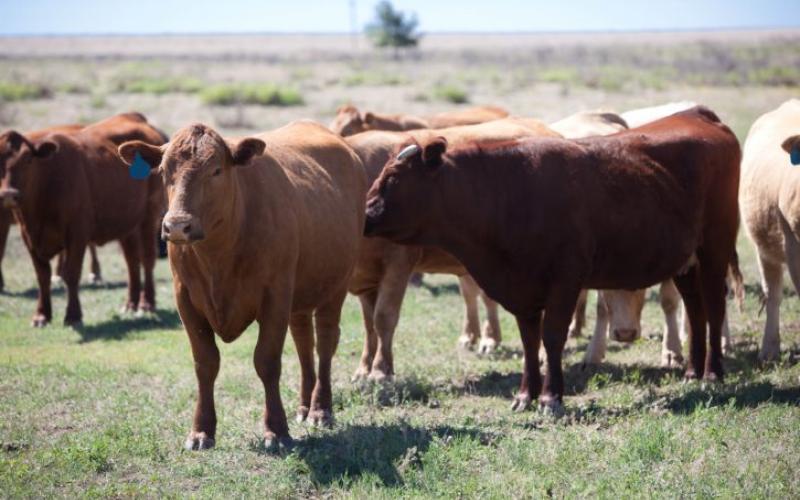
With weaning wrapping up, pregnant cows should be identified and turned back out to pasture or crop residue. By removing open or even late cows from the herd, valuable feed resources are saved if drought conditions continue.
Early Weaning: Impact on Replacement Heifers
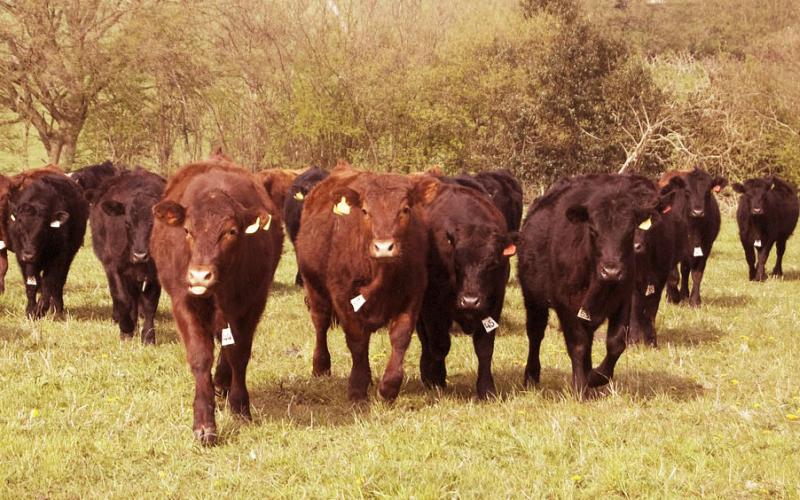
Early weaning calves is a common practice for managing through a drought. However, how does early weaning affect the heifers meant for replacements?
Making Use of “Ugly” Feeds
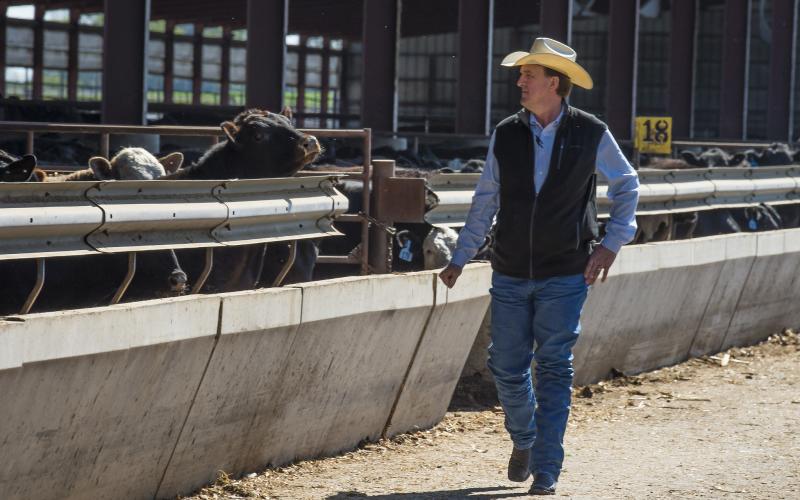
Feed does not have to be perfect to be useful. The key to making smart feeding decisions is knowing what the imperfections are and adjusting accordingly.
Grass Tetany: Now Is the Time To Prepare
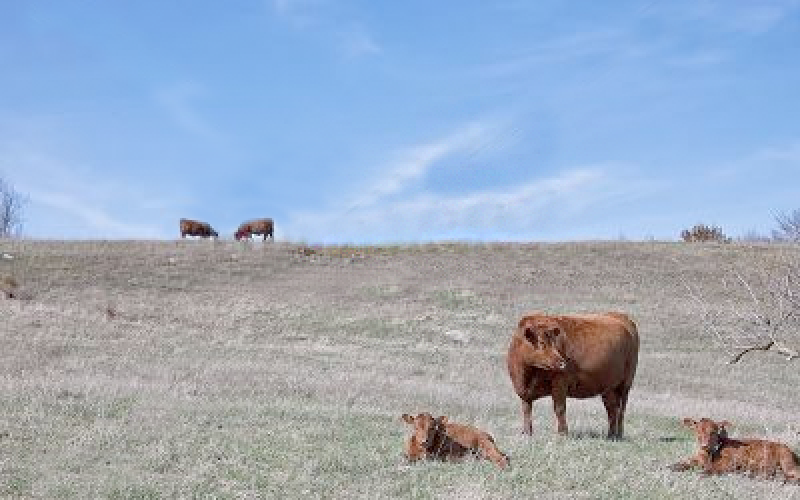
Grass tetany is a metabolic disorder associated with grazing lush, rapidly growing pastures. Learn the factors that influence its progression along with tips for preventing and managing it in herds.
Johne’s Disease Management: Preventing Manure Contact is Key
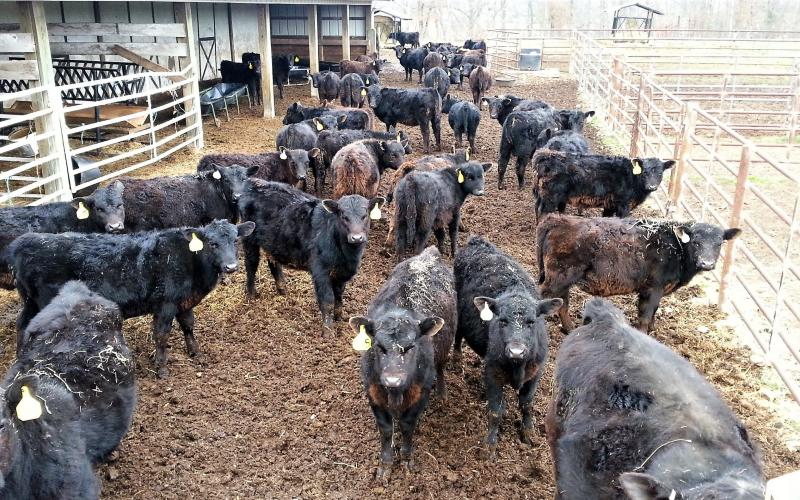
The key to decreasing Johne’s Disease transmission is preventing young stock from coming in contact with manure from potentially infected animals.
Late-Term Reproductive Losses in Beef Cattle: Diagnosing the Cause
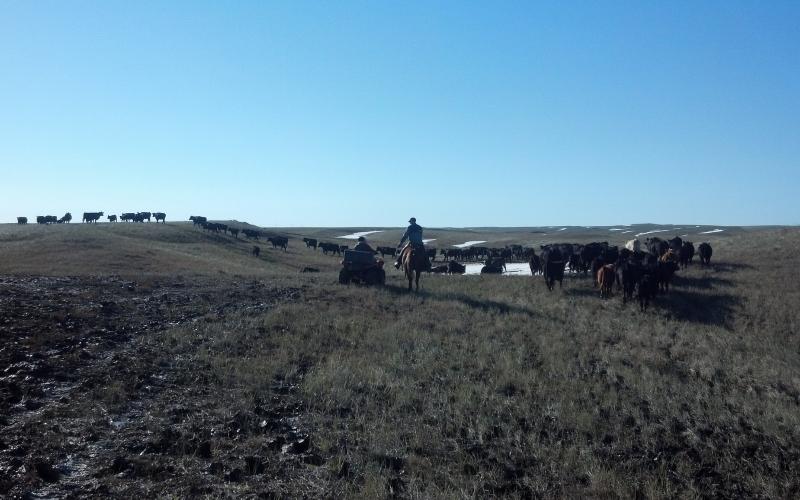
Reproductive losses account for $1 billion in lost revenue to the beef industry each year. With cattle reproduction, focusing on what we can control and diagnose is the key to avoiding these losses.
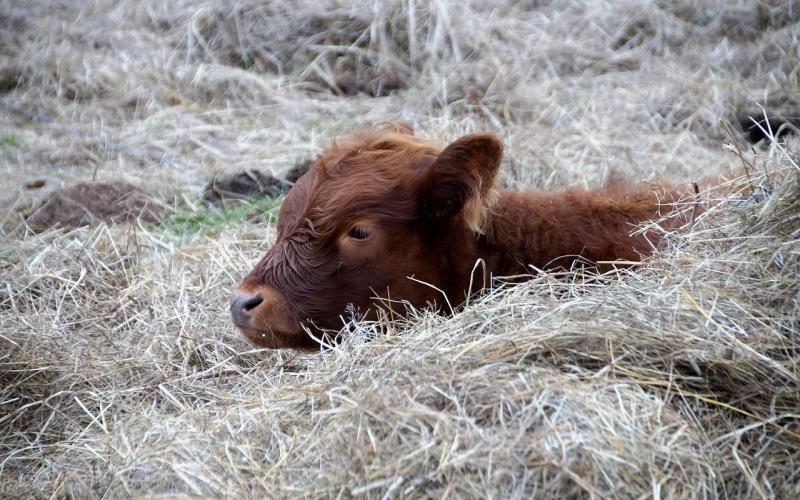
Summer Pneumonia in the Beef Herd
Respiratory disease in pre-weaned beef calves on pasture can be a concern for cow-calf producers, and outbreaks are frustrating for cattle producers and veterinarians alike.
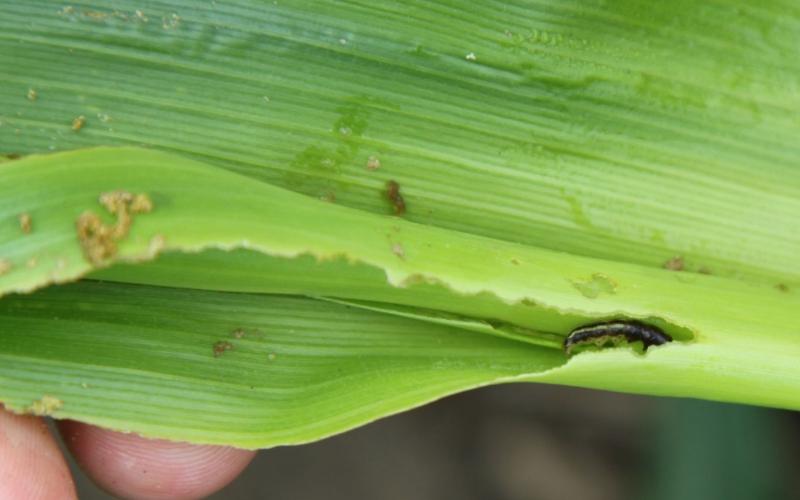
Common Stalk Borer Activity Update: May 16, 2019
The hatching and movement of common stalk borer caterpillars can be estimated by using degree days with a developmental threshold of 41 degrees Fahrenheit. Common stalk borer eggs typically begin to hatch at 575 degree days.