Search
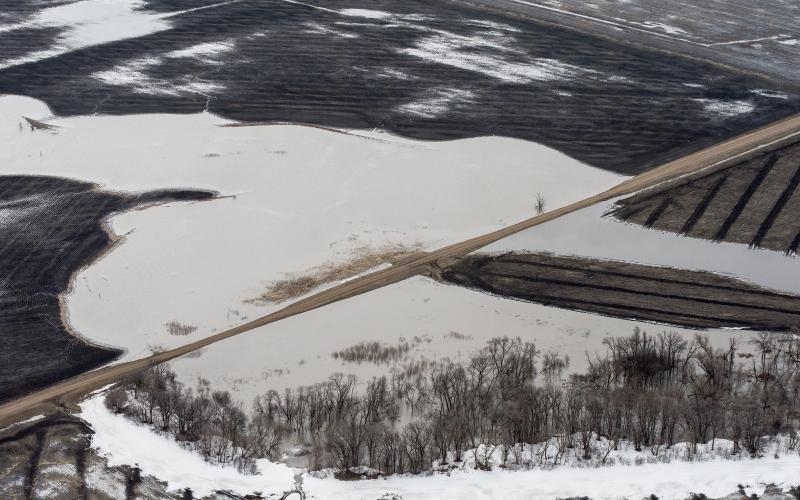
Managing Soil and Soil Fertility After Flooding
During floods, your fields will experience different amounts of erosion, sediment deposition, and crop residue accumulation. To avoid compaction of these soils it is crucial to let soils drain and dry out sufficiently before removing any large debris from fields or working the soil.
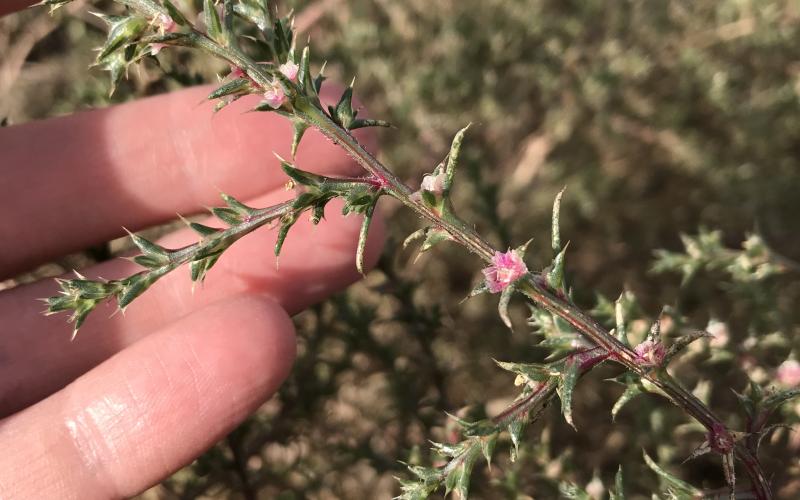
Prickly Russian Thistle
Publications that provide introductory and expanded information on the notorious invasive plant, prickly Russian thistle.
Crops
During the growing season, SDSU Extension provides weekly production recommendations.
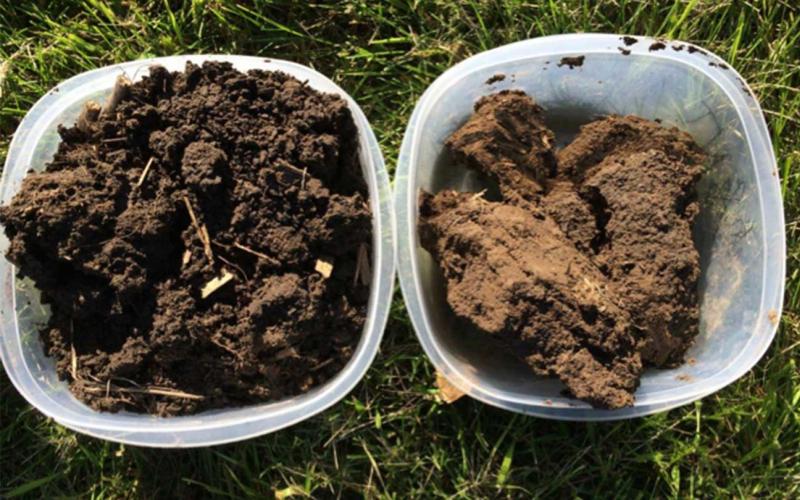
Organic Agronomy Starting to Impact
For decades scientists have known that a handful of soil contained more micro-biological organisms than the number of humans on earth. Science is just beginning to discover these organisms and learn about their functions and contribution to their soil ecosystem.

SDSU Extension welcomes new swine field specialist
March 11, 2025
South Dakota State University Extension is pleased to welcome Kaylyn Rudy as the new SDSU Extension Swine Field Specialist.

Organize this! What to collect and why
Learn about the different categories of documents and information your power of attorney (POA) or personal representative might need to act on your behalf in the event of an emergency.

Move the Cows or Move the Feed
This calculator is designed to aid producers making the decision to buy feedstuffs and haul the feed to the operation, or to haul the cattle to the feedstuffs.

Preparing and Planting a Garden in a Cold, Wet Spring
Wet, cool springs present ideal conditions for soil and plant issues. Learn some expert tips for identifying and managing some of the most-common problems in soggy gardens.
Rangeland Insects Are Critical Indicators of System Health
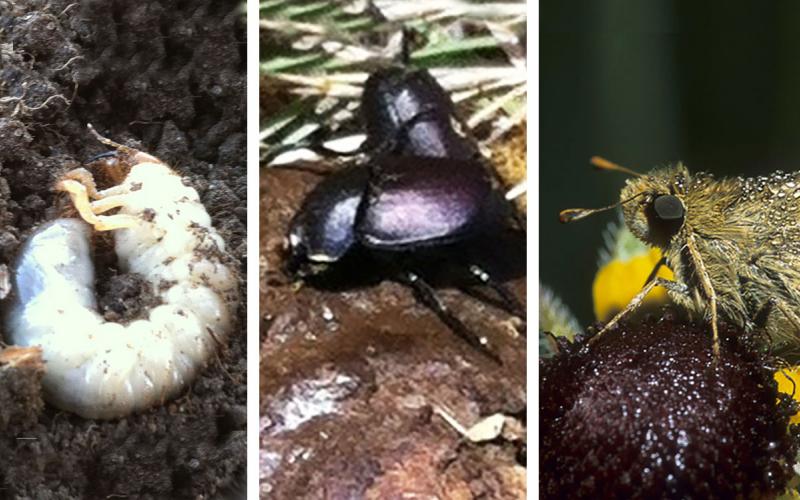
Insects, in general, may offer more indication of rangeland health than any other type of organism. They serve as key building blocks that other organisms depend on.
2021 South Dakota Overwintering Bean Leaf Beetle Predicted Mortality
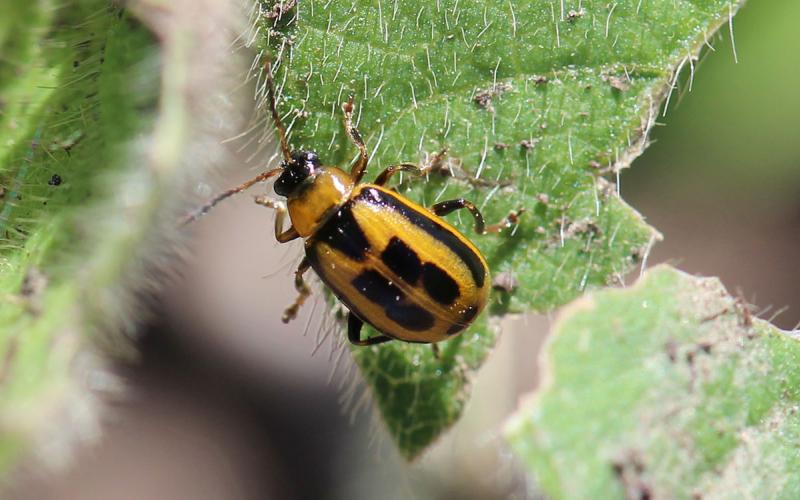
Bean leaf beetle emergence is approaching, and it’s important to start thinking about this pest. Once soybean begin emerging, overwintering adult beetle populations will move into soybean fields and begin feeding on seedlings.