Search

Smart to Lead SDSU Extension Agriculture and Natural Resources Program
July 06, 2021
South Dakota State University Extension has named Alexander “Sandy” Smart as the new Agriculture and Natural Resources Senior Program Leader.
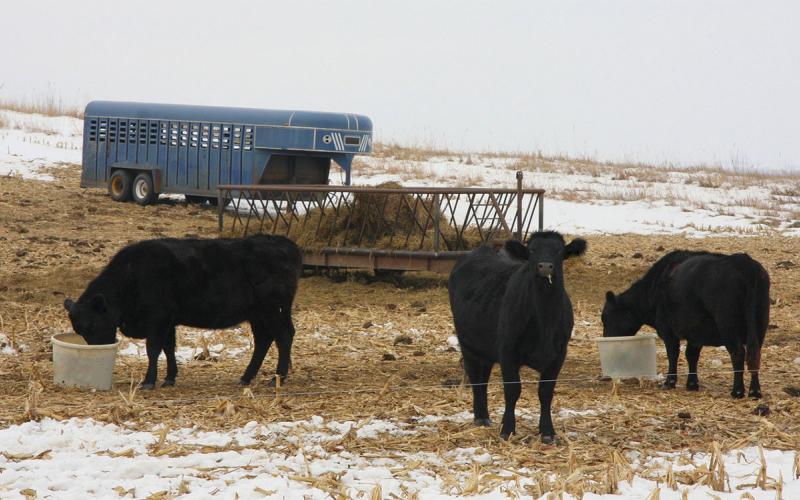
Cold Temperatures Impact Forage Intake
Decreasing temperatures impact the amount of energy required by cattle. Learn some management considerations to reduce the possibility of metabolic disturbance during periods of colder weather.

SDSU Extension Master Gardener Templates
A suite of templates that can be used by currently active and registered SDSU Extension Master Gardener volunteers as they engage in service to their community.

4-H Judging Resources
Hot sheets for 4-H judging basics, the different 4-H exhibits and how to provide feedback
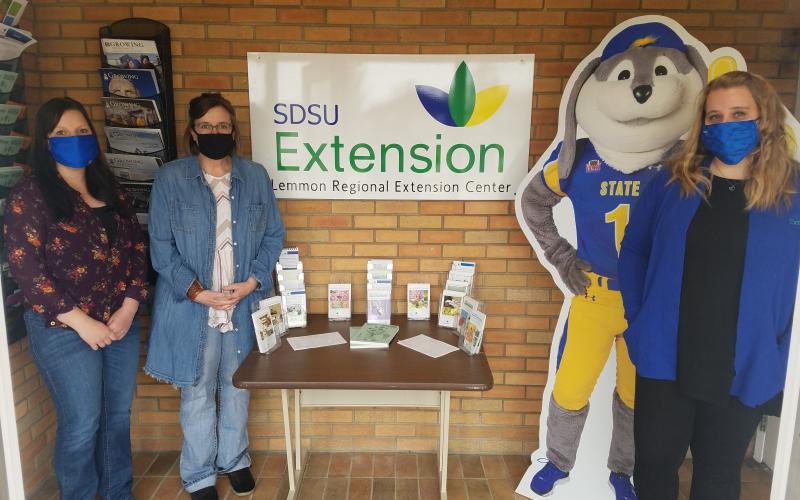
Lemmon Extension Center Moves, Adds Range Field Specialist
April 20, 2021
SDSU Extension's Lemmon Regional Center has recently relocated to a larger, more-accessible facility, while also welcoming a new addition to the team.
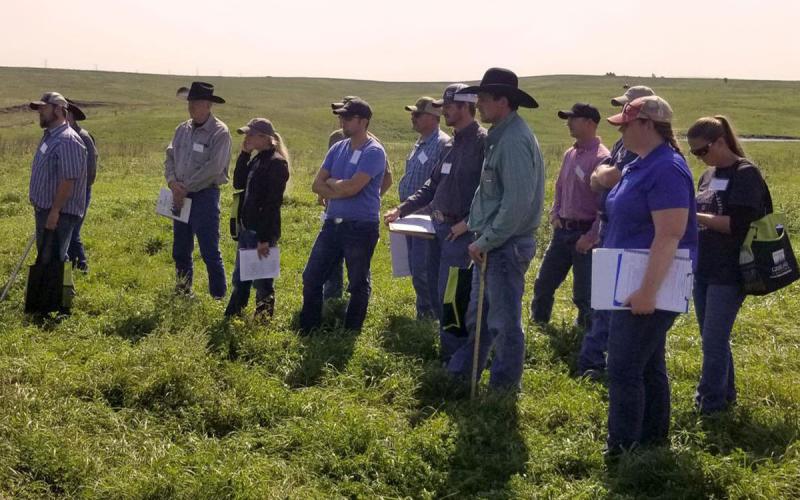
South Dakota Grassland Management Resources
The South Dakota Grassland Coalition provides educational opportunities for producers and agency personnel alike and has a wealth of informational tools available to share with others seeking assistance.
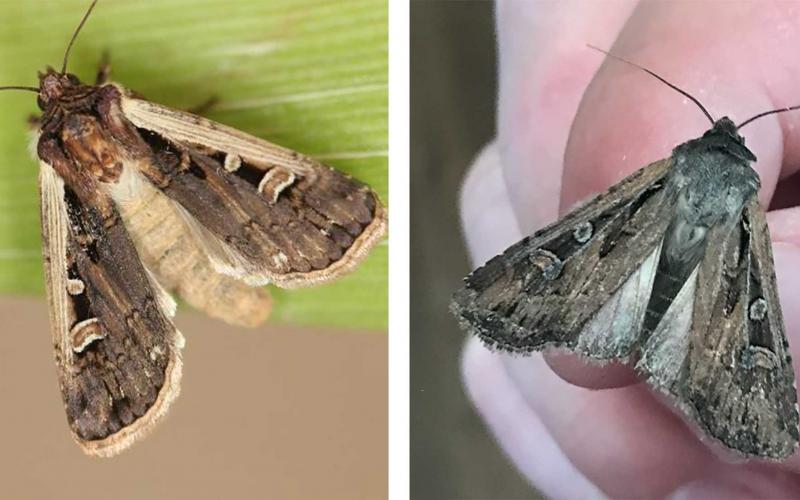
Army Cutworm Moths Among the Recently Reported Western Bean Cutworm Moths
Last week, we published an article about the presence of western bean cutworm moths being very abundant throughout Central and Western South Dakota. However, when talking with an entomologist from a neighboring state, they suggested the moths could also be army cutworm moths.
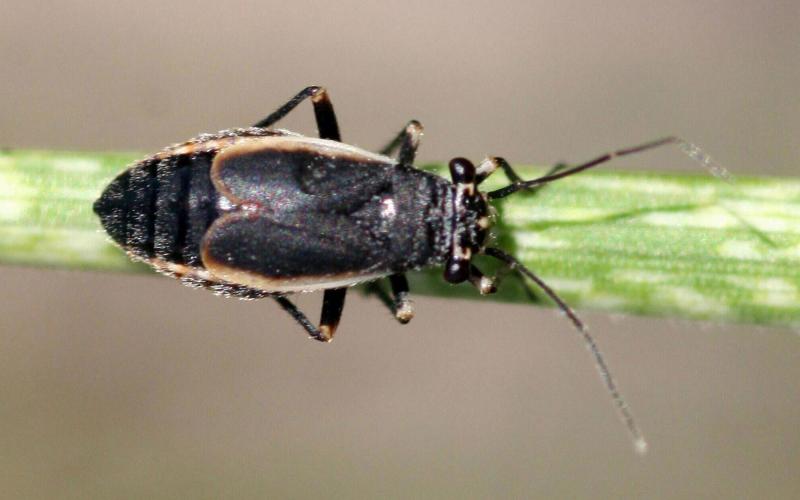
Black Grass Bug Activity Expected in Coming Weeks
Spring green-up is the time to be watching for black grass bug activity. Large populations of this early-season pest can cause severe damage to pasture (up to 90% forage reduction) and infest the edges of wheat fields.

A Glimpse Into Wisdom Writing
The Heirlooms Wisdom Writing workshop provides the opportunity to use writing to explore your own mental and emotional development as you have gotten older.
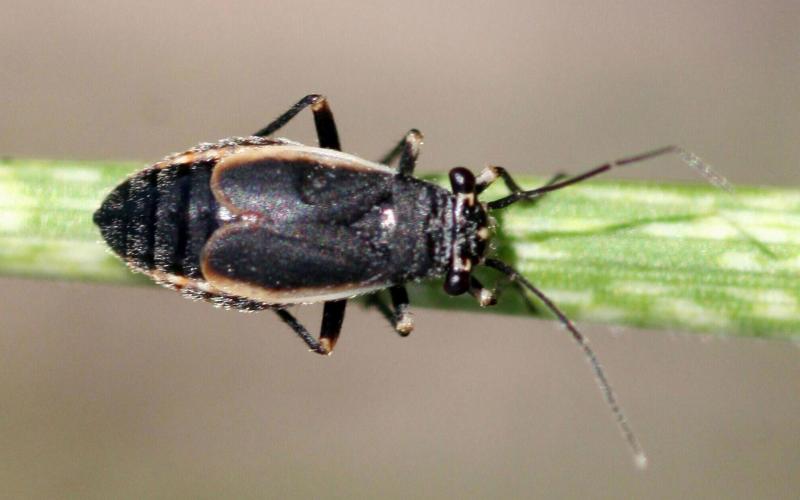
Be on the Lookout for Black Grass Bugs
It’s time to begin scouting pasture and wheat for the presence of black grass bugs. Last year, we saw the highest populations in areas of Central and Southwestern South Dakota. If left untreated, black grass bug populations tend to increase year after year.