Search
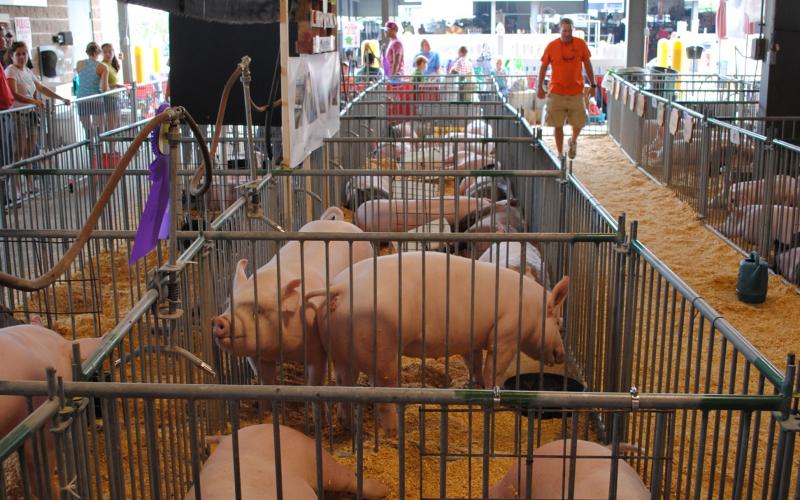
It’s Showtime, Get Your Show Box Ready!
It’s time to head off to the show, but before you can go everything needs to be loaded into the truck and trailer. You get a supply of feed and hay, load some bedding, put in a fan, add the trimming stand and now it’s time for the show box.
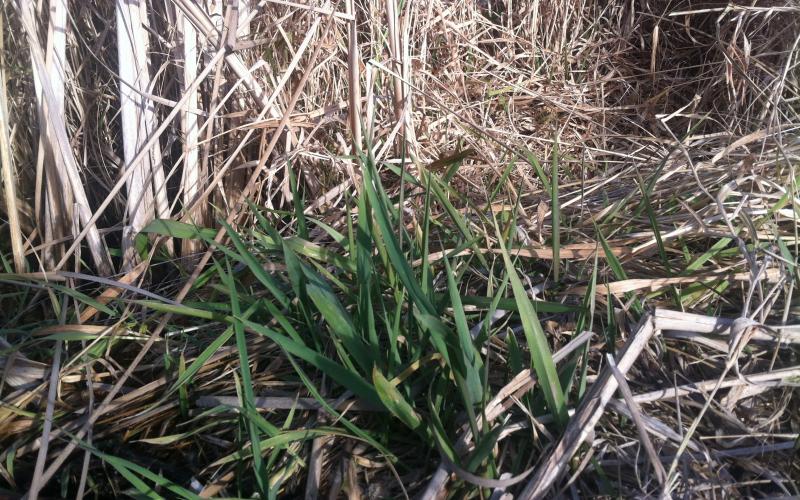
Reed Canary Grass: Possible Prussic Acid & Alkaloid Issues
Prussic acid issues with reed canary grass are poorly understood and may go unrecognized if they occur. This article addresses a little-known but interesting aspect of the biology of reed canary grass.
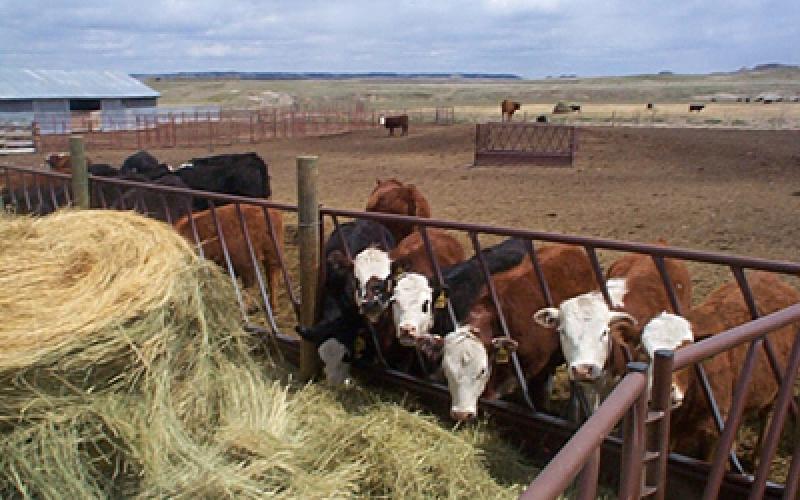
Herd Management: Keep or Cull During a Drought?
Drought forces unexpected changes so it’s critical to have a strategy to keep only the “right” females that will benefit the operation.

Picnic Beetles and Multicolored Asian Ladybeetles Bothering Produce
Ripe fruit that has been injured can attract undesirable insects into your garden. Some of these insects will feed on the produce, which can completely ruin it by increasing the rate of decay and make it unappealing.
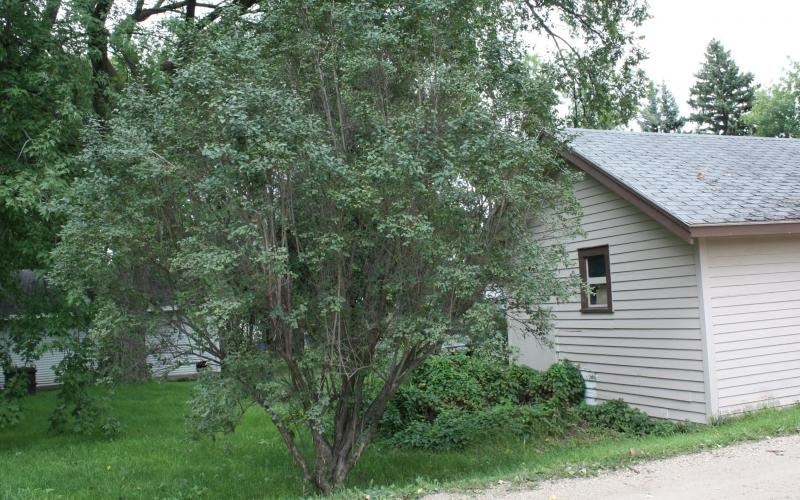
Woody Weeds: Tatarian Honeysuckle
Tatarian honeysuckle (Lonicera tatarica) was brought to North America from Asia in the mid-18th century for ornamental uses. In South Dakota it was also used as a windbreak species until the 1980s.
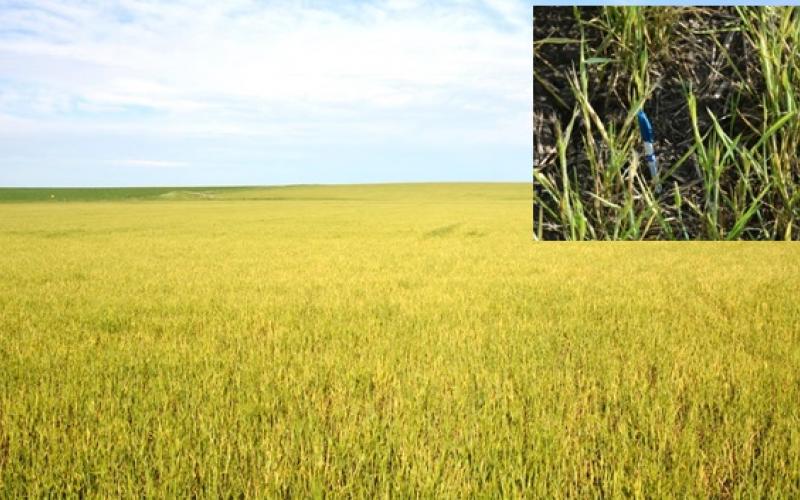
Wheat Streak Mosaic Virus Management: Plan ahead before planting this fall
Have you had a history of moderate wheat streak mosaic disease in your field? Do you plan on planting wheat into wheat stubble or wheat fallow? Have your neighbors had wheat streak mosaic disease outbreaks in the recent past? If you answered yes to any of these questions, you need to incorporate wheat streak mosaic control principles into your management plan before planting winter wheat this fall.

SDSU Extension program leader receives Society for Range Management Fellow Award
March 13, 2023
The Society for Range Management recently named SDSU Extension Agriculture and Natural Resources Senior Program Leader Sandy Smart a 2023 Fellow Award winner.
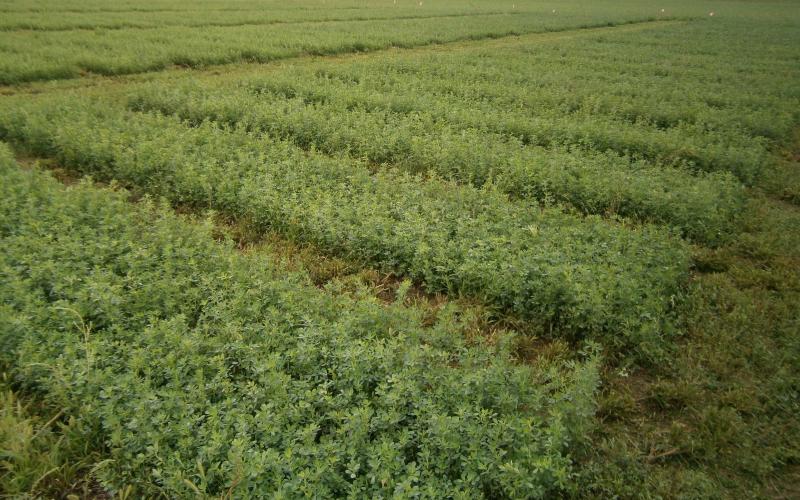
Effects of Late Spring Frost on Alfalfa
Forage research indicates that, although alfalfa is considered to have good cold temperature tolerance, minor frost damage may occur when plants are exposed to air temperatures slightly below freezing for several hours, and more severe damage will be seen when temperatures drop below 25°F for four or more hours.
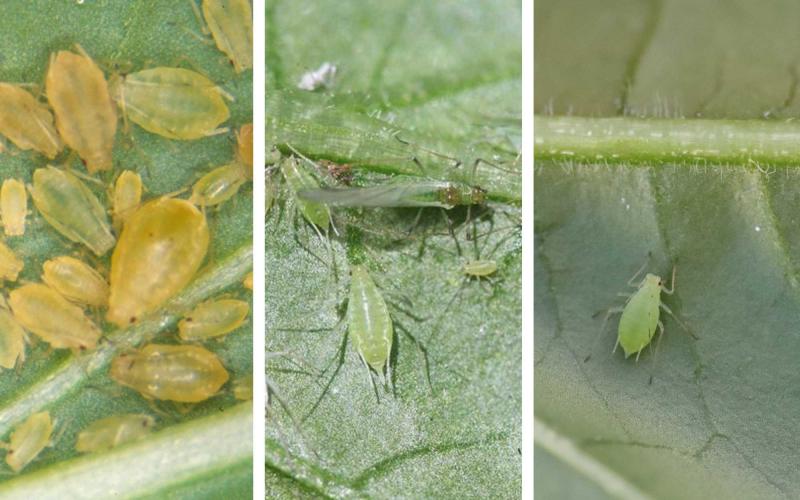
Are Your Pepper Plants Covered With Aphids?
During this time of the growing season, it is common to observe aphids on garden plants, including peppers. However, when dense aphid populations are present, they can reduce pepper yields and cause rapid plant health decline.
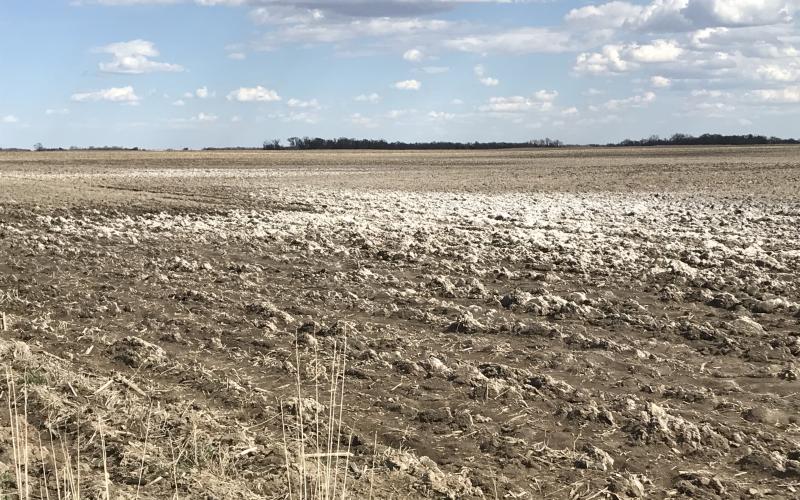
Revegetation of Salt-Impacted Soils in South Dakota
This publication provides suggested native species suitable for the revegetation of salt-impacted soils. The suggested species are listed as native to South Dakota according to the USDA NRCS Plants Database.