Search

Chronic Constipation
The two most common forms of constipation are chronic idiopathic constipation (CIC) and irritable bowel subtype constipation-predominant irritable bowel syndrome (IBS-C).
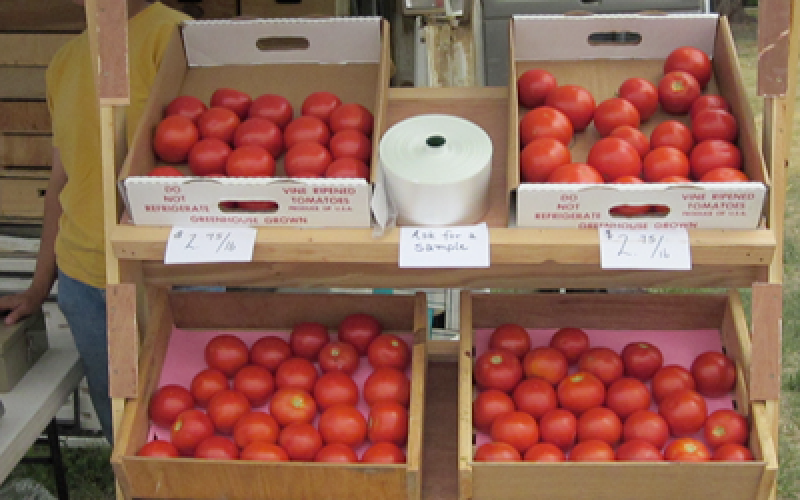
Farmers Market Food Safety: Health & Hygiene
Health, hygiene and hand washing apply to all stages of production, processing and marketing. Ill food handlers can easily contaminate fresh produce with disease-causing microorganisms. Many of these organisms have the capability to survive on fresh fruits and vegetables for an extended time, from several days to weeks. Once the organism is established on fresh produce, it is very hard to remove.
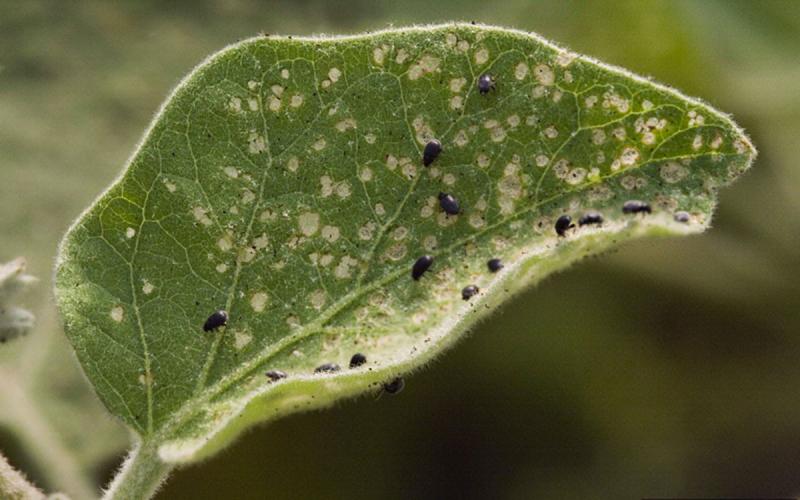
SDSU Extension welcomes new plant pathologist
August 12, 2025
South Dakota State University Extension is pleased to welcome Cody Molnar as a new Horticulture Plant Pathology Field Specialist.
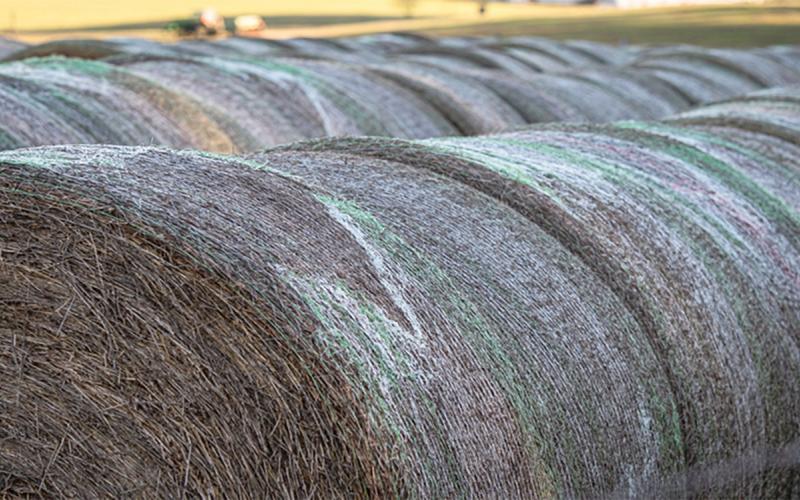
Best Management Practices for Reducing Dry Hay Storage Loss
When hay prices are high, proper storage is financially important. Learn some best management practices to reduce storage loss and ensure an adequate forage supply.
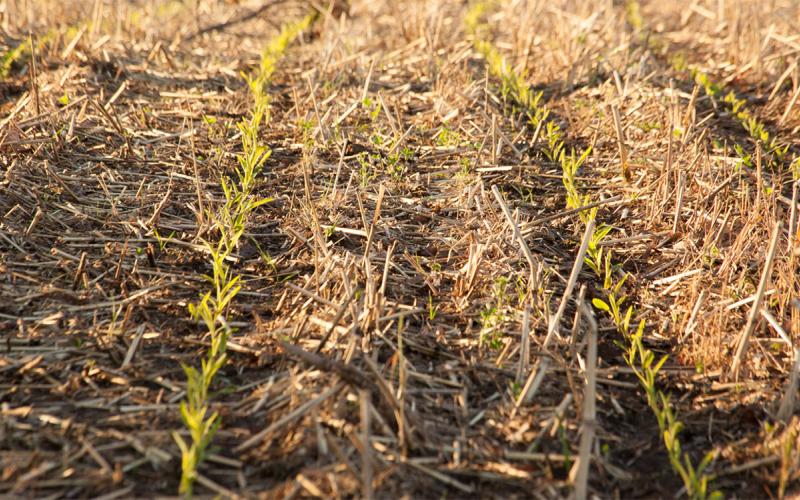
Estimating Corn Emergence With Growing Degree Days: Data from May 7, 2021
With corn planting well underway in South Dakota, the next step is monitoring its emergence. One of the factors that can speed up or delay corn emergence is air temperature.
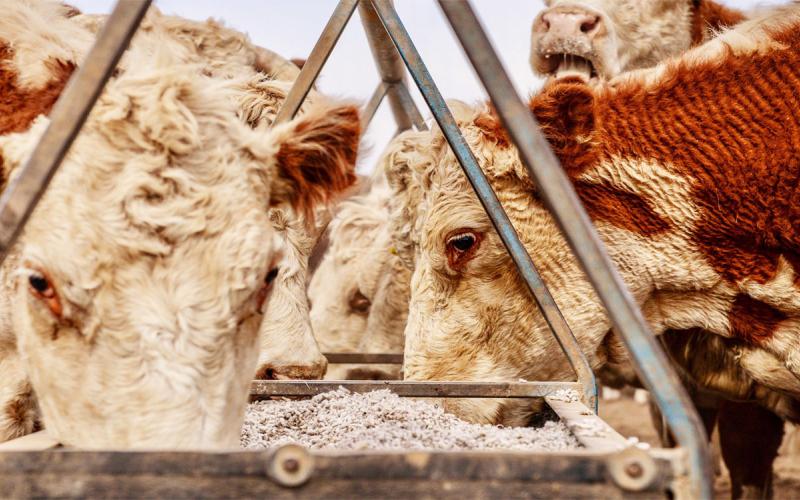
Livestock Tools for Managing Through Drought
As drought conditions continue, ranchers are faced with making some difficult decisions. South Dakota State University Extension offers multiple tools and resources that can be used to help make the best management decisions for your operation.
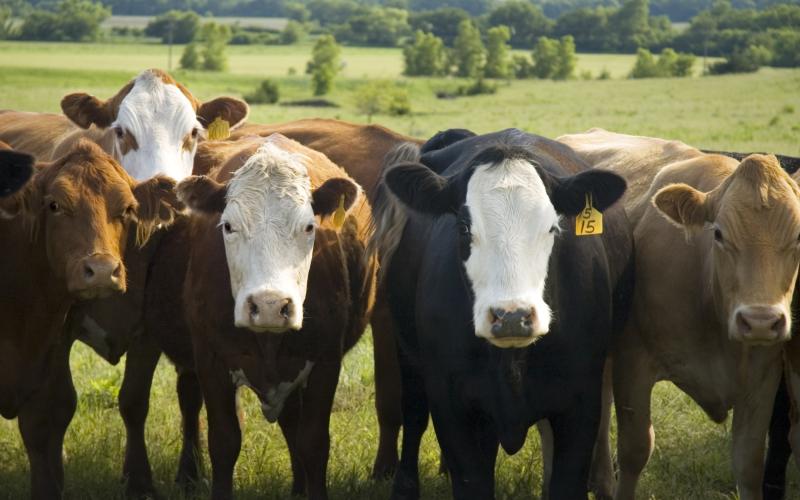
Concentrated Animal Feeding Operations Training set for June 30
June 08, 2021
An environmental training session for operators of concentrated animal feeding operations (CAFOs), will be held Wednesday, June 30 in Huron at the Crossroads Convention Center.
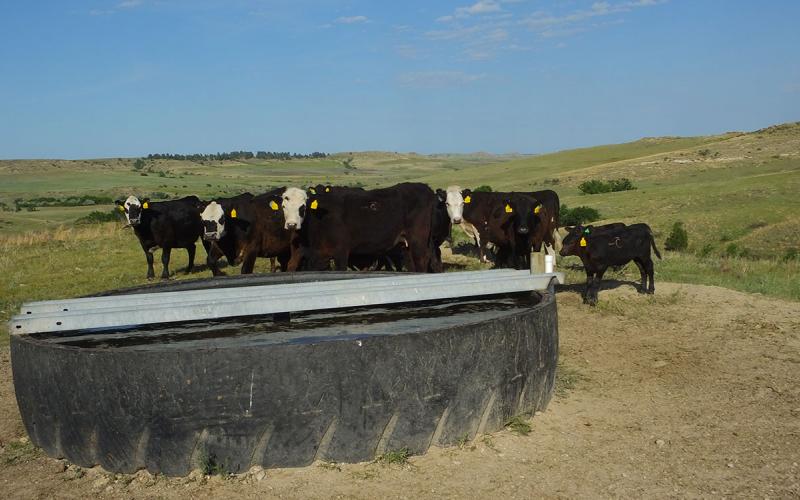
Water Quality
While producers have long acknowledged that access to water makes the difference between a profitable or unsuccessful operation, they are beginning to understand that water quality may be as important as water quantity.
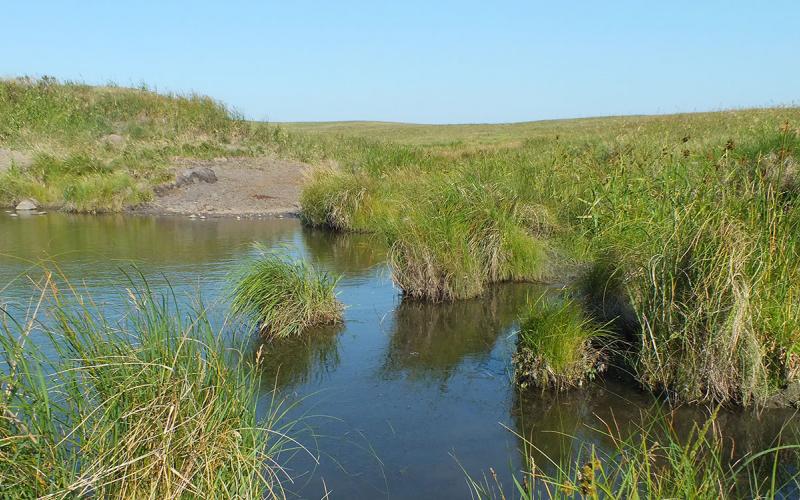
Managing Livestock Attractants Near Water
In the event that your pasture includes riparian areas, such as streams, rivers, lakes or ponds, you’ll want to take special care of these habitats. A riparian area is the space immediately adjacent to the shore, where water and land interact.
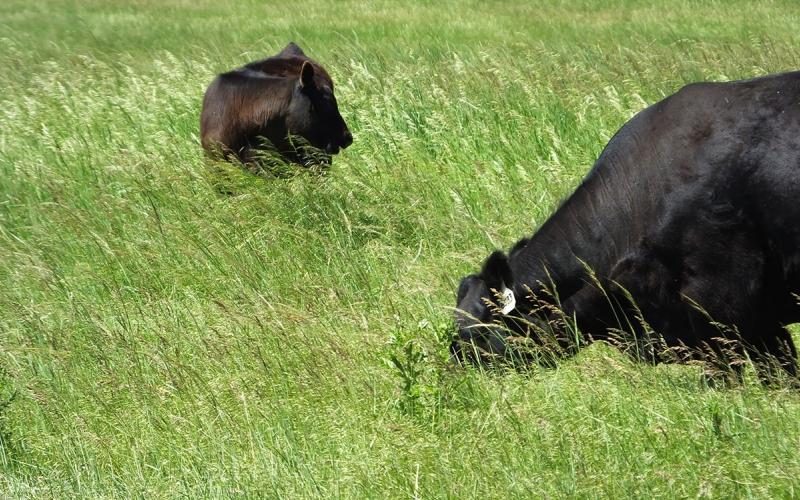
Grass-Fed Beef: Understanding Terminology in Conventionally Raised Beef and Grass-Fed Beef
What makes grass-fed beef different from conventionally raised beef? This is perhaps the most-common and sometimes most-complex question that arises amongst those hoping to understand the similarities and differences between conventional and grass-fed beef.