Search
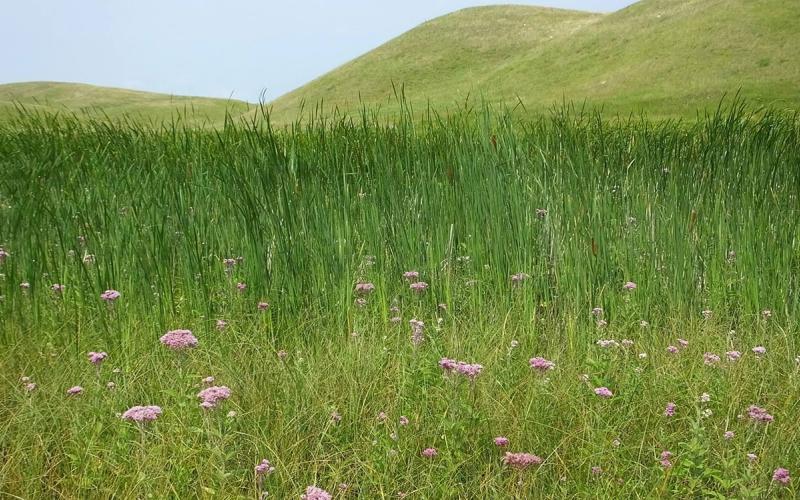
Understanding Grassland Terminology
Before learning the best practices of grassland management, it's important to know some of the common terminology used in the land management and conservation arena.
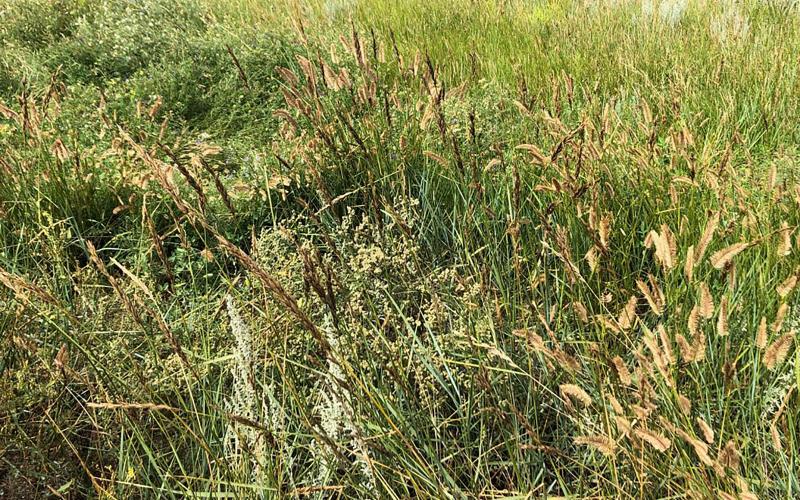
Ergot in Western Wheatgrass and the Potential Effects for Winter Grazing
2019 has been a year fraught with challenges for ranchers across South Dakota. Abundant precipitation is usually a blessing, however, wet conditions coupled with a cool spring followed by warmer temperatures has caused another problem across the rangelands of South Dakota: ergot poisoning.
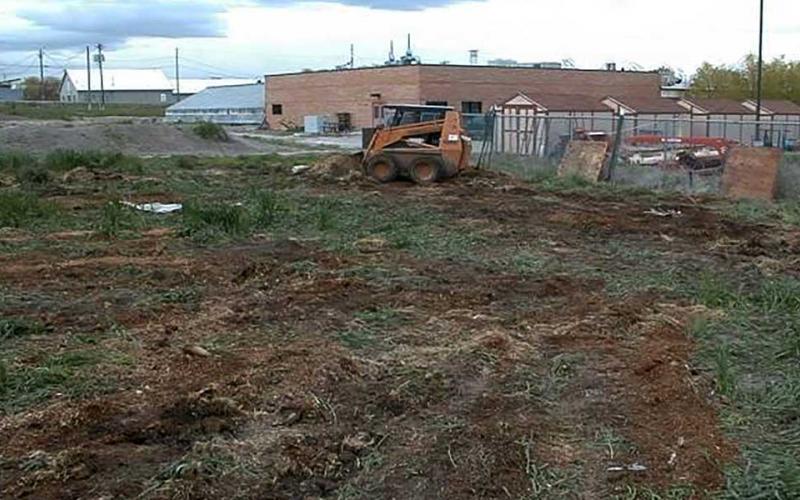
Guidelines for Livestock Carcass Disposal in South Dakota
Everyone who works with animals tries their best to keep all animals alive. In turn, they also know there will always be normal mortality. Proper carcass disposal is crucial in preventing the spread of disease and protecting the environment.
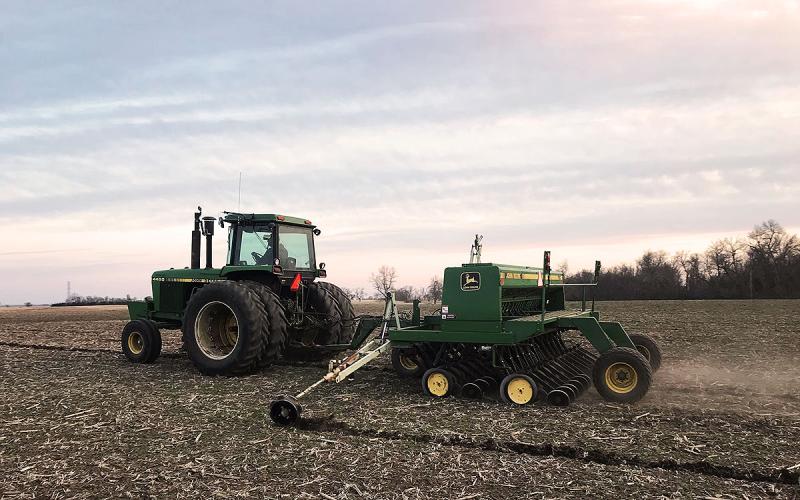
Fields of Growth: Taking Care of Your Mental Health During Planting Season
Despite the opportunities that come with a new planting season, it is just as important to care for your mental and physical health during this busy, stressful time of the year.
Resources for Pork Producers
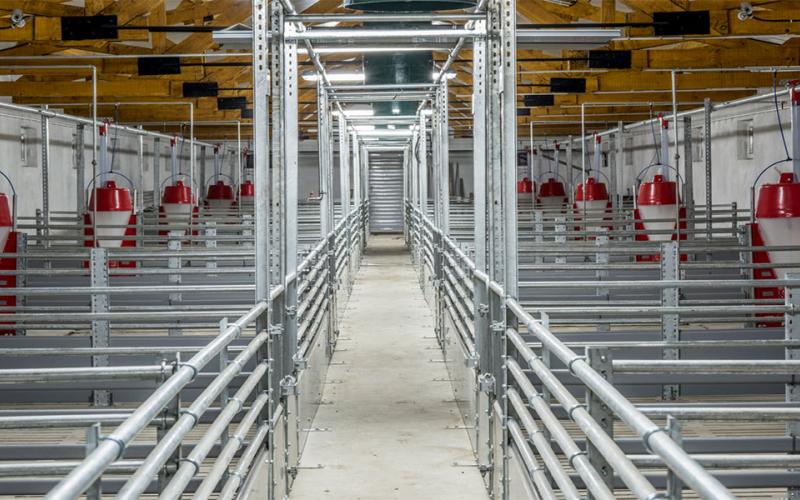
As the pork industry suffers from high supplies and low prices, SDSU Extension has compiled resources to address financial, mental health and family challenges.
Soil Salinity, Sodicity, and Alkalinity in South Dakota Soils
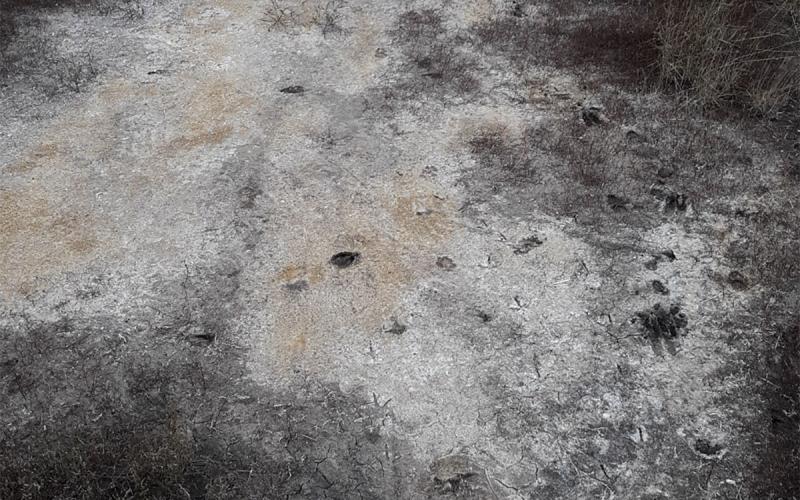
Salinity and sodicity are issues that negatively affect crop production and soil health in South Dakota.
Grain Merchant and Processor Consolidation, Concentration, and Competition
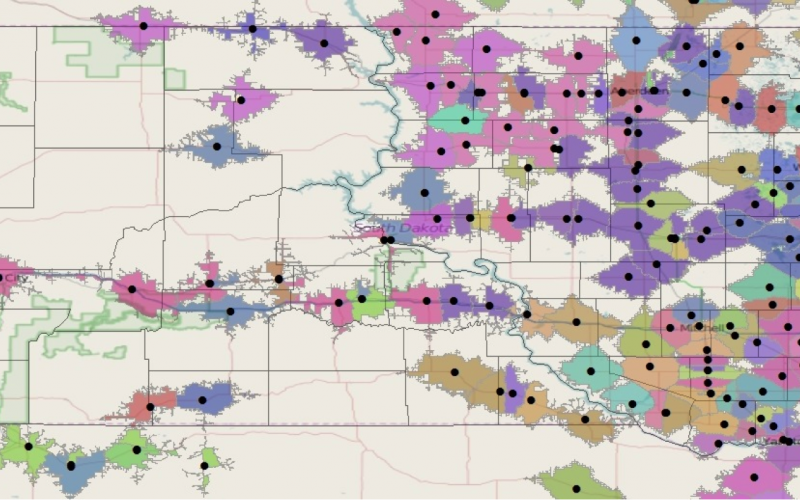
A general trend in the last century has been for greater consolidation among Grain Merchants and Oilseed Millers and Processors. The U.S. Census Bureau tracks the number of firms and/or establishments and value of sales (market size) by industry sector every 5 years as a part of the Economic Census. In addition to the number of firms and sales, the Census Bureau publishes concentration ratios for each sector. One concentration ratio they publish is the amount of sales attributed to the four largest firms in that sector. The percentage of sales of the 4 largest firms is a measure that aids in identifying the type of market structure that exists.
Cucurbit Diseases in South Dakota
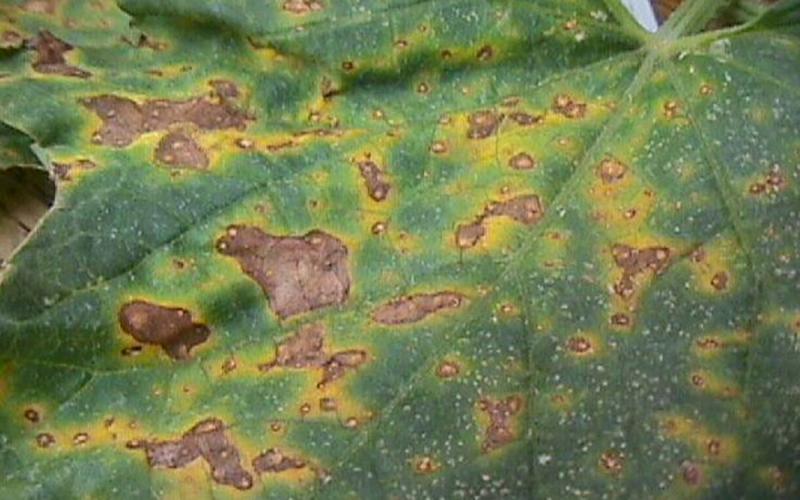
Cucurbit crops grown in both the field and in high tunnels face disease pressure from many fungal and bacterial diseases. Learn how to identify and manage some of the most common ones.
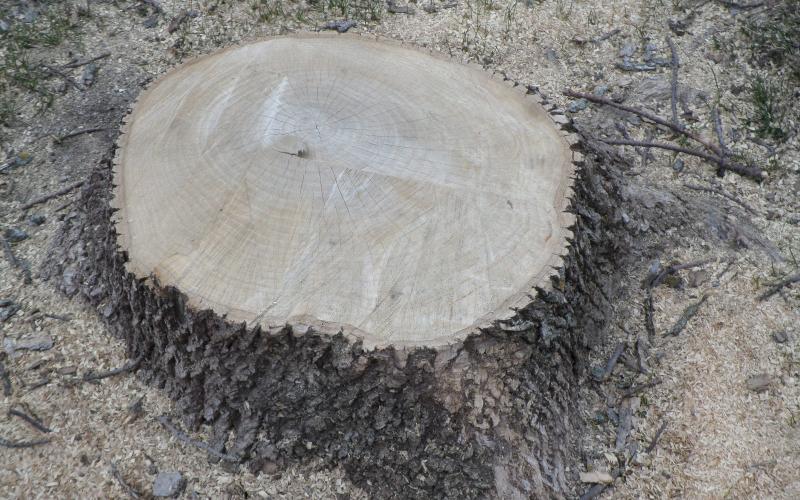
How to Remove a Stump
Spring is the time of the year when people get around to remove trees from their yard.
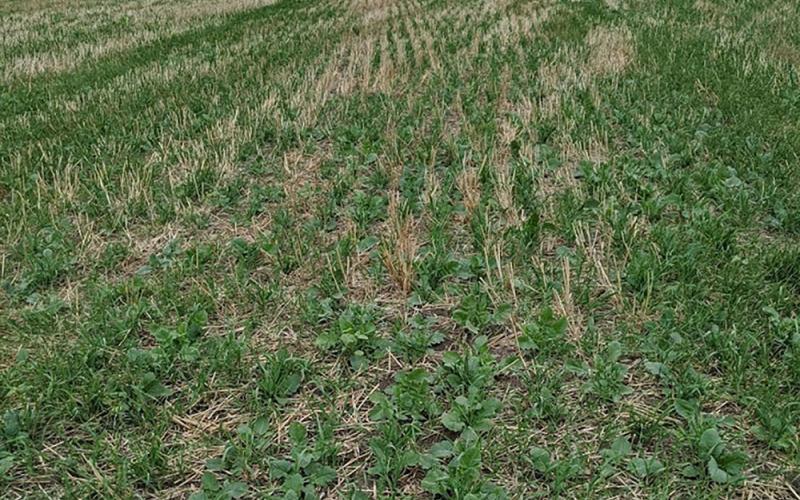
Cover Crop Considerations When Dealing With Soybean Cyst Nematode
With the soybeans being harvested a little earlier than usual this year, some producers are finding themselves making management decisions that include cover crops. For soybean producers dealing with soybean cyst nematode in their fields, selection of cover crops is important since some of these can be hosts for soybean cyst nematode.