Search
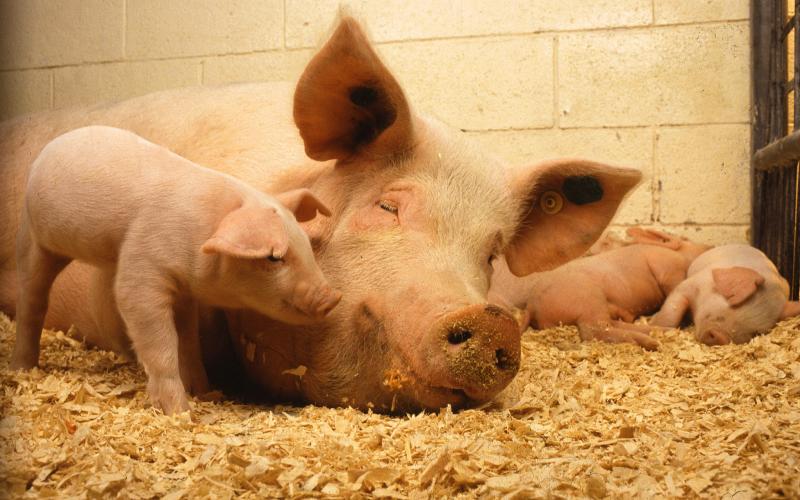
Next-Level Precision Sow Feeding
As the nutritional requirements of sows continue to be further refined, are there opportunities to achieve next-level precision sow feeding?
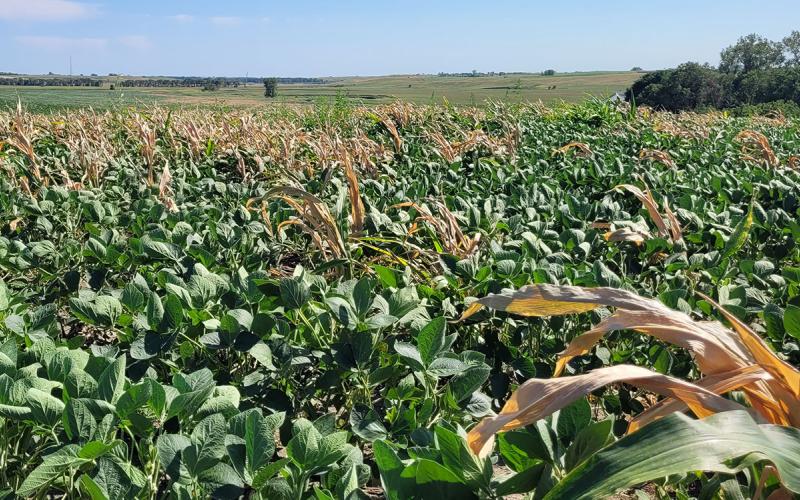
Stalk Grazing to Combat Volunteer Corn
Fall aftermath grazing by livestock, particularly cows, can dramatically reduce the amount of volunteer corn in the field. Learn some key benefits that stalk grazing can bring to your operation.
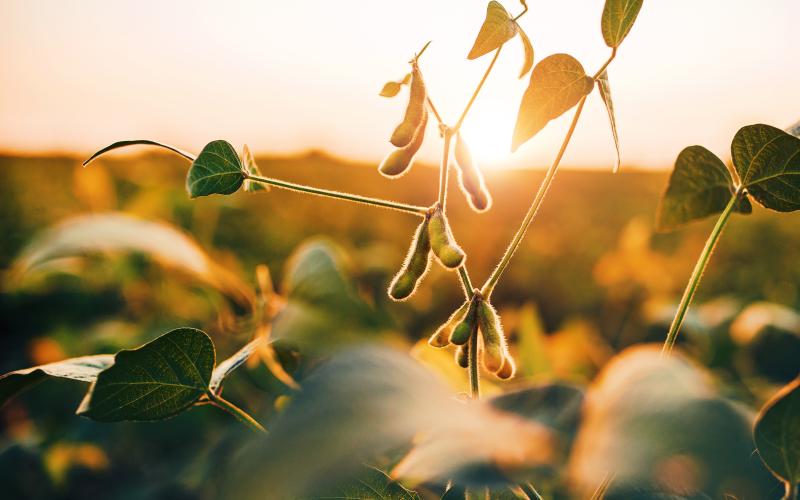
2019 Soybean Fungicide Field Trials Summary
This document contains results of soybean field trials conducted during the 2019 growing season to evaluate foliar fungicides to manage various soybean diseases.
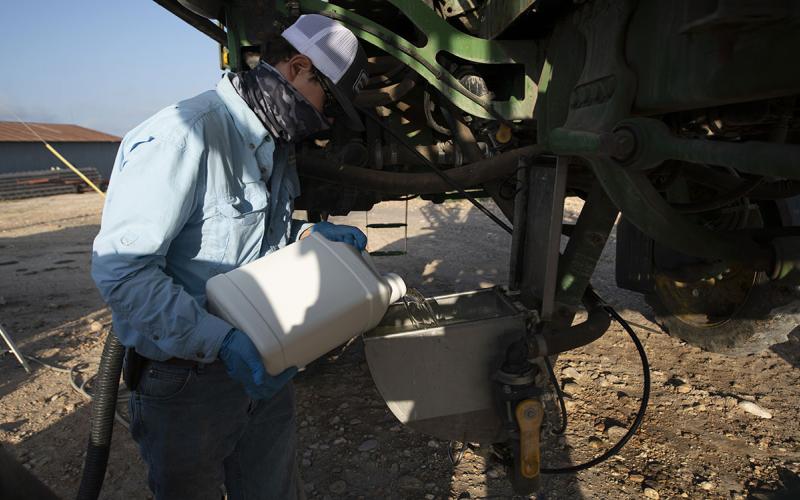
2026 North Central AAPSE Pesticide Meeting
Join colleagues from across the region for the North Central AAPSE Pesticide Meeting from August 25-27.
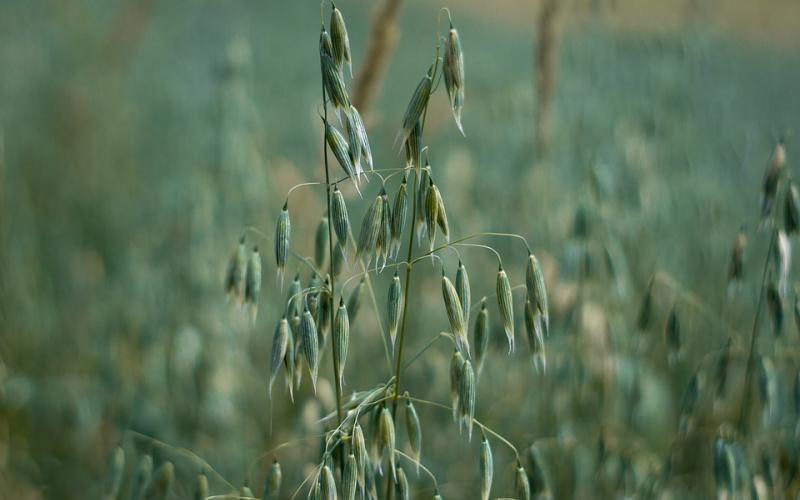
2020 Plant Disease Summaries for Small Grains
A number of field trials were implemented in the 2020 growing season with the general objective of assessing various disease management practices suitable for South Dakota growers and the Great Plains.
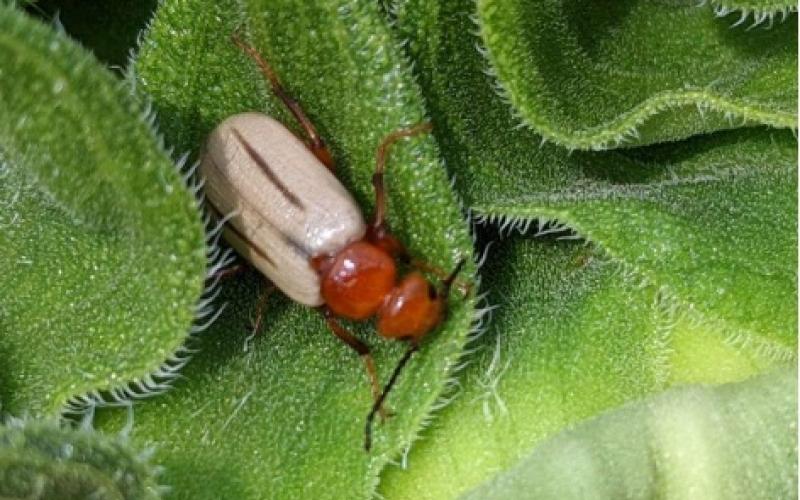
Zonitis Bilineata on Sunflowers
While scouting sunflower last week we noticed beetles that were present throughout the field on the developing buds. These beetles weren’t feeding on the buds or the bracts that they were often on. So, what were they doing on the sunflowers?
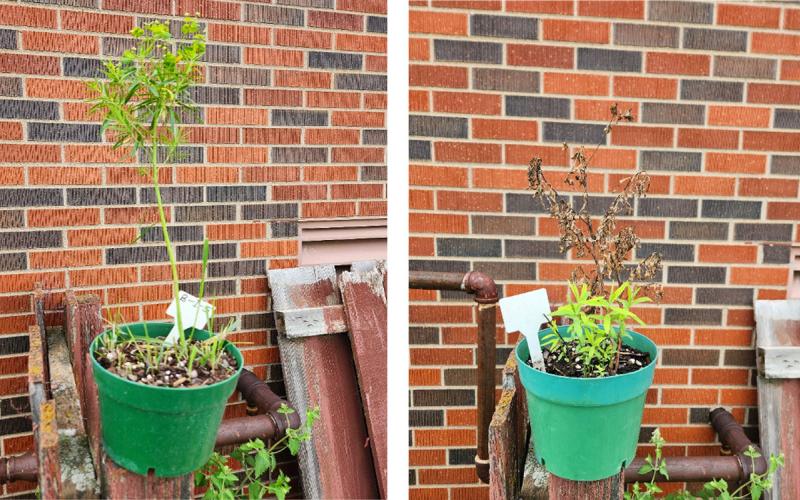
Evidence That 2,4-D Alone May Not Effectively Manage Leafy Spurge
The SDSU Extension Weed Science Project is currently conducting a potted plant study looking at various herbicide treatments to manage leafy spurge.
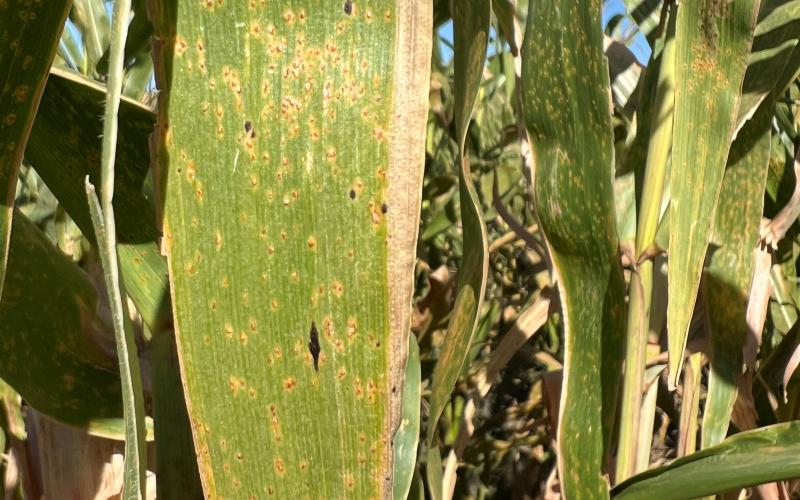
SDSU Extension to host corn disease scouting workshop
September 23, 2025
South Dakota State University Extension will host a scouting session for corn diseases confirmed in the state this season.

Growth and Quality of Four Zinnia Cultivars Grown in Eastern South Dakota
The purpose of this study was to assess the production and quality of four zinnia cultivars grown in eastern South Dakota to support local specialty cut flower growers in their operations.

Farm Programs During COVID19: Making Government Programs Work for You
October 15, 2021
The I-29 Moo University webinar series continues with a presentation by Megan Roberts, Minnesota Extension Ag Business Management Specialist, on Wednesday, November 4.