Search

State Shoot Preparation: Archery
View quick tips for 4-H members competing in archery at the state shoot.

Food Safety for South Dakota Farmers Market Vendors: Regulations and Best Practices
Farmers markets are a valuable sales outlet for farmers and food entrepreneurs alike. Learn some essential rules, regulations, and best practices for processing, handling, and selling a variety of common food items at South Dakota farmers markets.

Meal Replacements: A long-term weight management solution?
The convenience meal replacements offer is appealing, but do they work for long-term weight management?
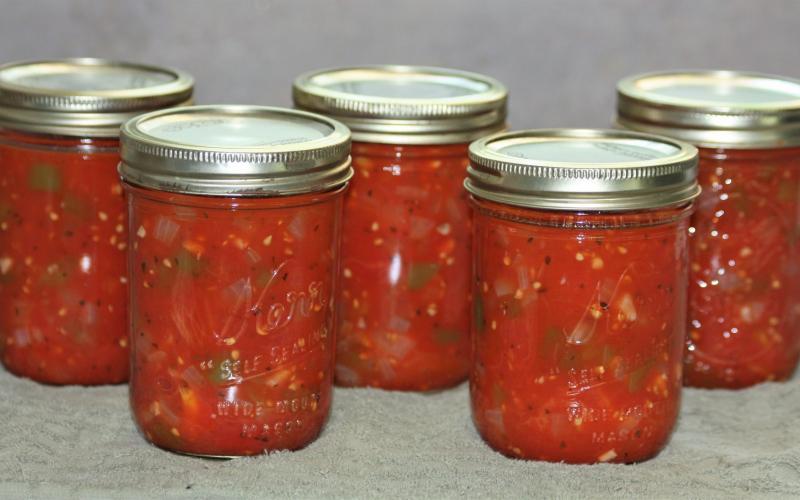
Canning Tomatoes Safely
Home canning tomatoes is a great way to preserve them for later use. It is critical to use proper methods of heat processing to ensure a safe finished product.

Understanding Water Conservation Measures for Lawns and Sports Turf
As of August 29th the city of Sioux Falls has moved from Stage 1 watering, which allowed every other day watering except between the hours of 12 noon and 5 PM, to Stage Two water restrictions; allowing only one day per week watering based upon the last number of the residence address. The watering schedule is determined by the flow of the Big Sioux River as measured by the USGS Monitoring Station located near Dell Rapids, SD.

Preparing and Planting a Garden in a Cold, Wet Spring
Wet, cool springs present ideal conditions for soil and plant issues. Learn some expert tips for identifying and managing some of the most-common problems in soggy gardens.
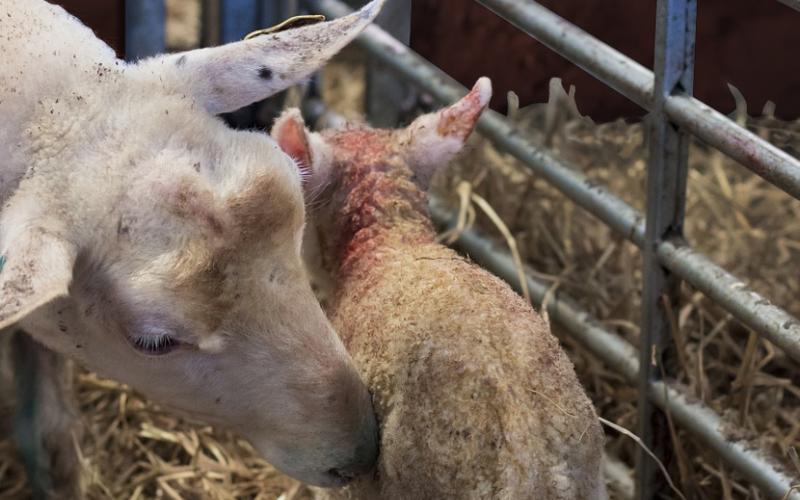
Newborn Lamb Care Management
Proper newborn lamb care is a critical component of flock profitability. In the U.S. lamb mortality from all causes is approximately 20% with more than 80% of those losses occurring in the first two-weeks following lambing.

Chronic Constipation
The two most common forms of constipation are chronic idiopathic constipation (CIC) and irritable bowel subtype constipation-predominant irritable bowel syndrome (IBS-C).
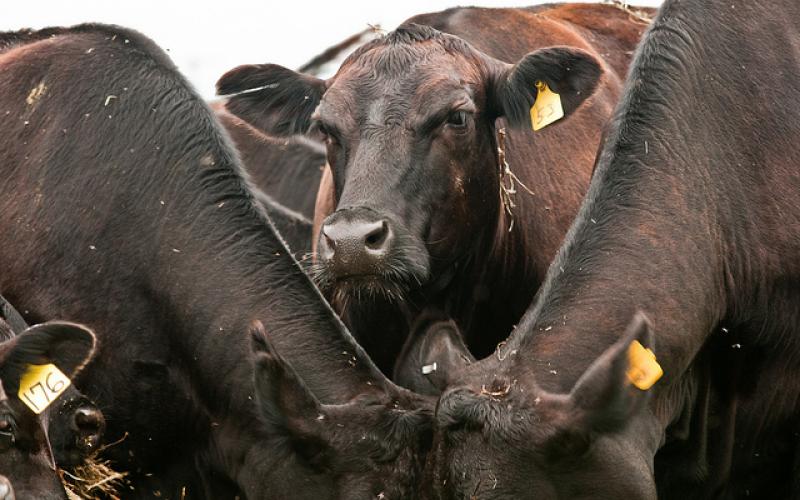
Cow Mineral Nutrition: Macro Minerals and Their Importance
Mineral nutrition is vital to overall cow performance. There are seven macro minerals that need to be analyzed and balanced within a cow’s diet. These are calcium (Ca), phosphorus (P), magnesium (Mg), sulfur (S), sodium (Na), chlorine (Cl) and potassium (K).

Cows Eat Weeds
By utilizing grazing as a means of cultural control, producers have the potential to decrease input expenses while reaping the benefits of inexpensive weed control through animal nutrition.