Search
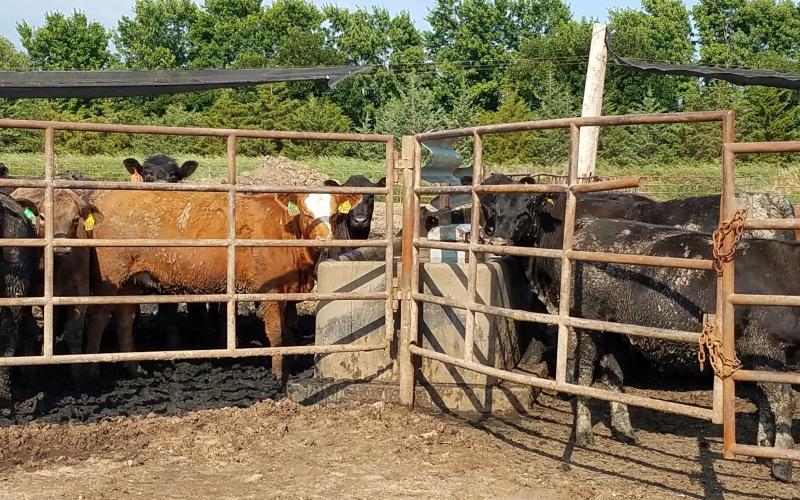
Adding Value to Corn Through Cattle
What is the “best” way to evaluate profitability of an enterprise, more specifically feeding cattle?

Estate and Transition Planning
In this episode of Cattle HQ, join Kiernan Brandt, SDSU Extension Cow/Calf Field Specialist, and Olivia Amundson, former SDSU Extension Cow/Calf Field Specialist, as they talk with Heather Gessner, SDSU Extension Livestock Business Management Field Specialists about the importance of preparing an estate or transition plan.
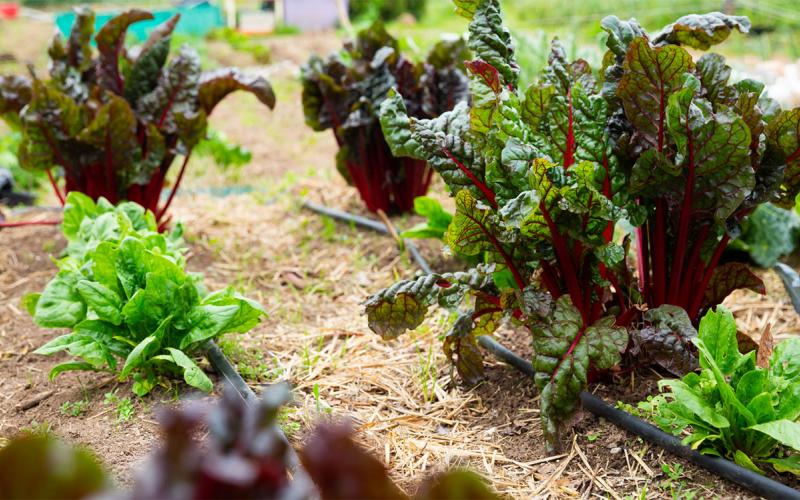
Vegetable Gardening During a Drought
In a drought, getting water to plants is a priority. The following management tips will help you efficiently use water and maximize other gardening practices to achieve a healthy and productive garden.
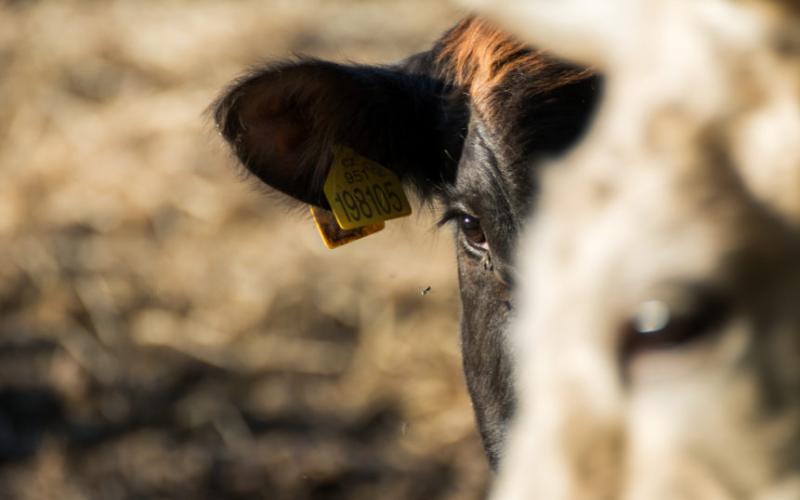
Testing Your Beef Cattle for Bovine Viral Diarrhea Virus
Bovine Viral Diarrhea Virus (BVDV) is among the most important pathogens affecting today’s beef and dairy cattle operations. Associated with reproductive, digestive, and respiratory illnesses in cattle, the virus can also create a congenital, persistent infection in calves, greatly aiding the virus’ spread within and between herds.
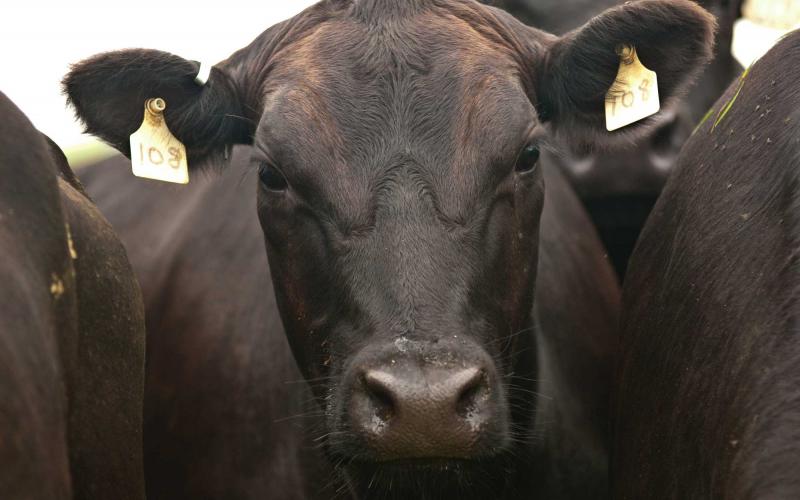
Mineral Consumption: It Matters!
Cattle mineral nutrition is complex and often confusing, but one strategy to help ranchers better evaluate their mineral program is to monitor mineral consumption.
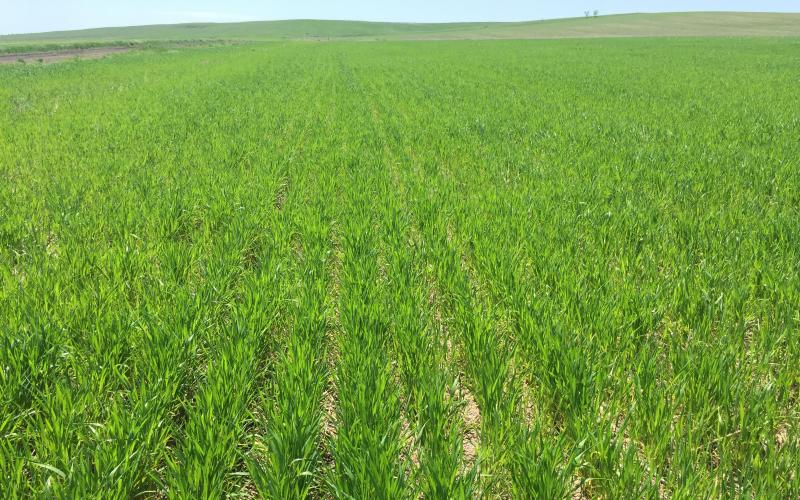
Planning for Quality in Wheat
Excess moisture and limited field days have made it difficult for producers to add nitrogen to wheat fields this year. This could be a concern, as nitrogen contributes to both yield and protein. This year, it may pay off to take tissue and soil tests from questionable wheat fields to help with nitrogen application decisions.
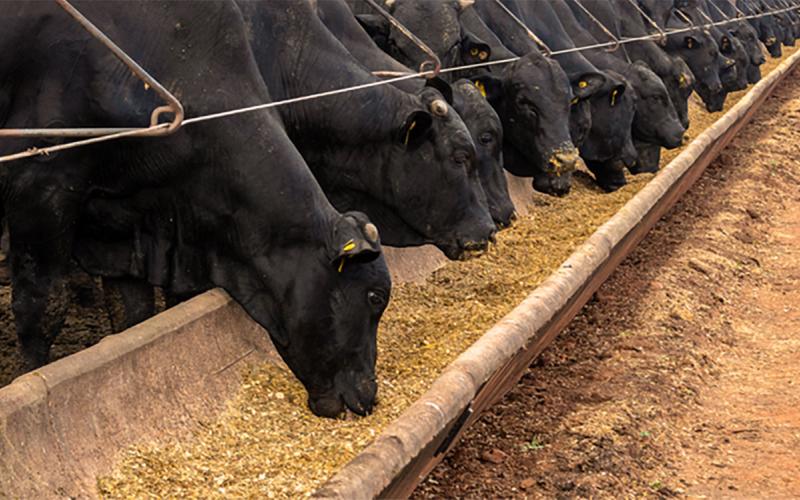
Ruminants: A Digestive Powerhouse
Ruminants such as cattle are important animals, as they turn forage into high-quality protein, such as meat and milk. It is important to understand their digestive system so we can better support their unique role in our food chain.
Opportunities and Considerations when Grazing Cover Crops
During this episode of Cattle HQ, Olivia Amundson and Robin Salverson, caught up with Dan Forgey with Cronin Farms near Gettysburg, SD.
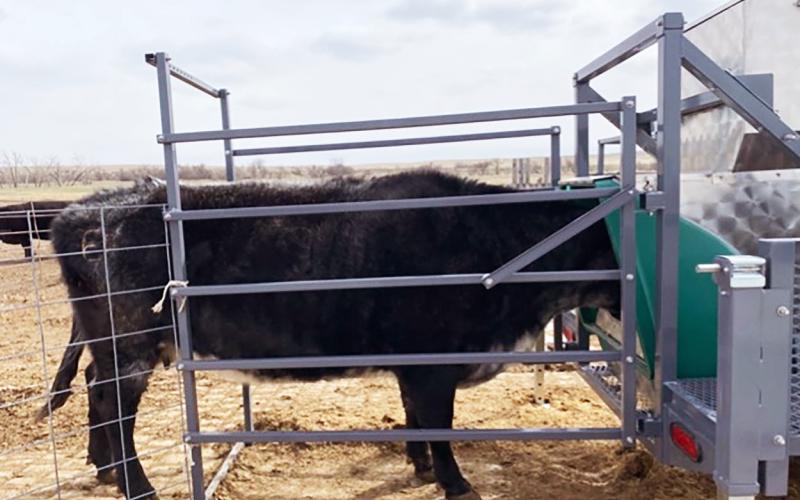
Range Roundup: Precision Technology to Measure Cattle Methane Emissions and Intake on Western S.D. Rangelands
In a recent research project, our precision livestock team deployed technology to measure individual cattle methane emissions and feed intake by disappearance. Learn how this data can be used to help improve day-to-day management decisions on the ranch.
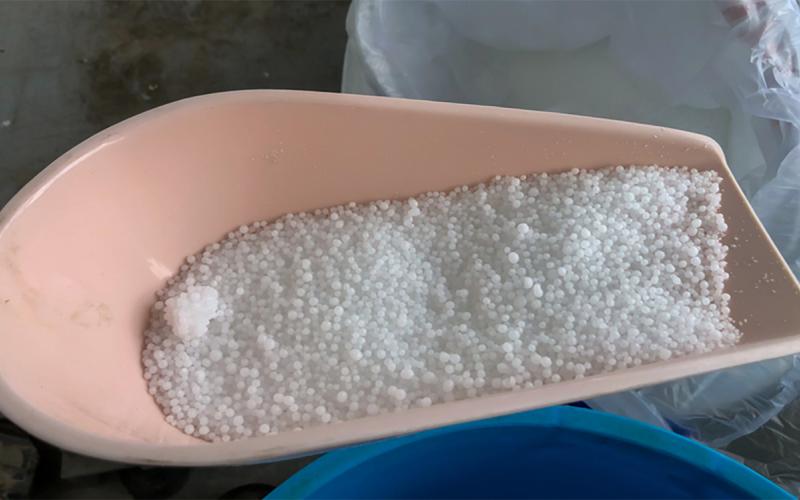
Considerations of Urea Use in Cattle Rations
In beef cattle nutrition, it is important to understand how protein is used along with the various protein sources available for diets. Urea is an example of a non-protein nitrogen source that can be used in diets in certain situations.