Search
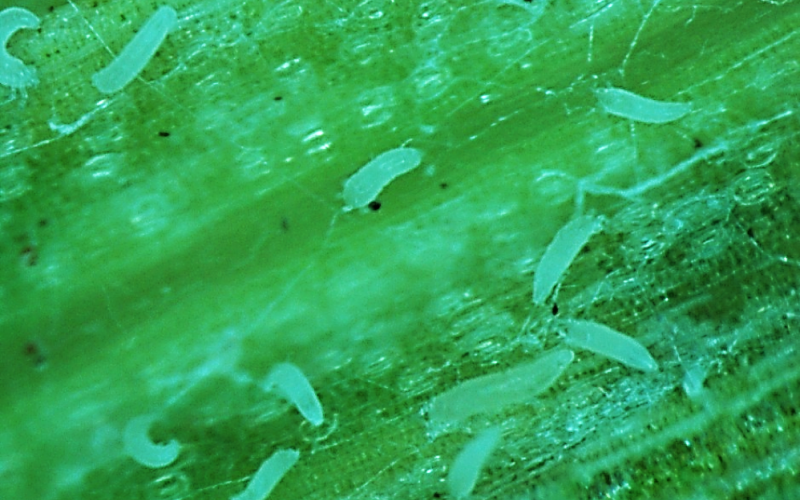
Wheat Streak Mosaic Virus is Prevented Before Planting Winter Wheat
Wheat streak mosaic disease (WSMD) is one of the important diseases in winter wheat and can lead to severe yield losses.

Food Safety and COVID-19
Many misconceptions have been brought up during the recent COVID-19 pandemic. These concerns have included questions ranging about symptoms, preventive measures, treatment, mortality rate, route of transmission and many more.
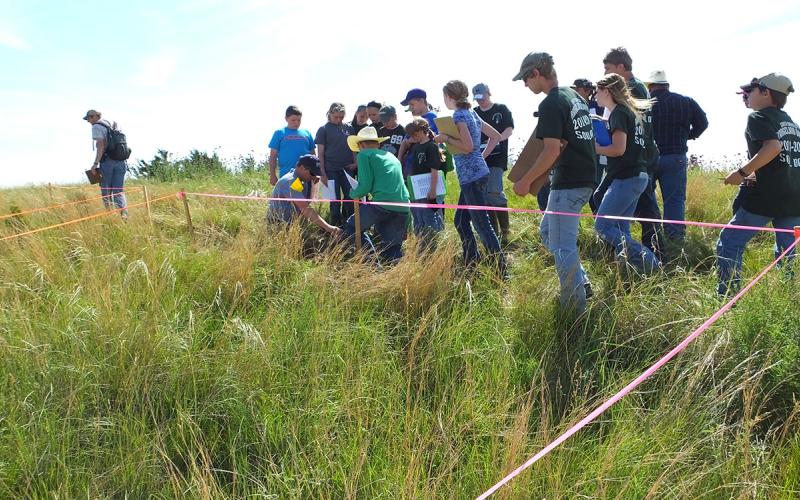
38th Annual Rangeland and 17th Annual Soils Days Held in Murdo
August 15, 2022
SDSU Extension, along with the Jones County Conservation District and the South Dakota Natural Resources Conservation Service (NRCS), hosted the 38th Annual Rangeland and 17th Annual Soils Days June 14-15, 2022, in Murdo, South Dakota.
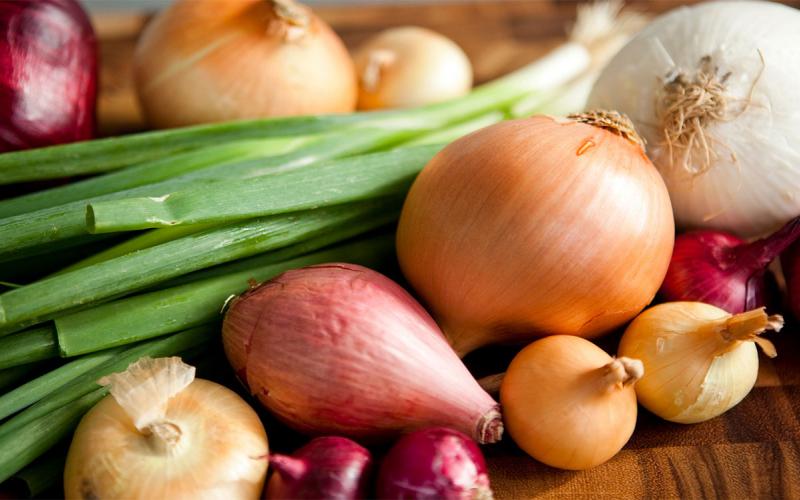
Onions: How to Grow It
Onions are a classic, flavorful addition to any home vegetable garden! Learn some expert tips for selecting, growing and harvesting onions in this resource.
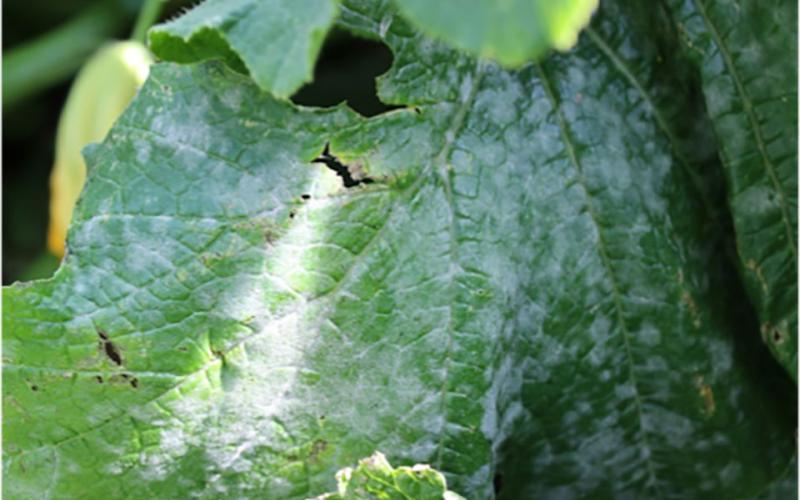
Plant Problems in Cool, Wet Soil
Wet, cool soils are prime conditions for many plant diseases to thrive. Lear more about some of the most-common cool, wet weather problems.
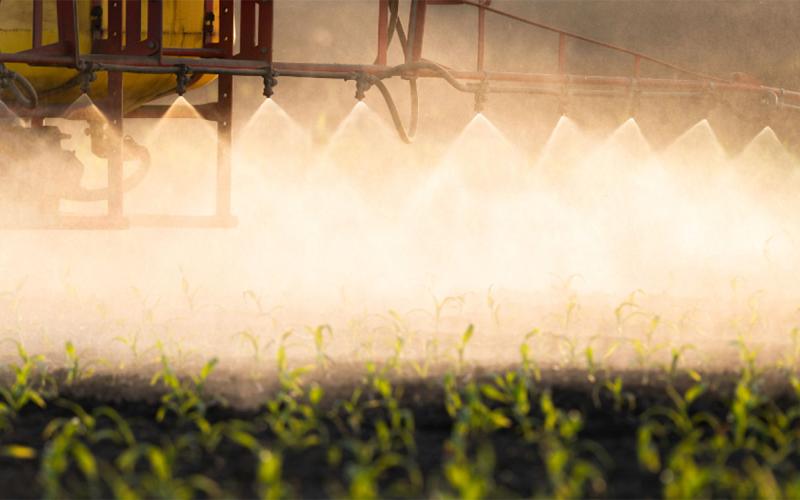
Considerations of Corn Postemergence Herbicides
Managing weeds after emergence is important to protect the yield potential of corn crops. Learn some important application considerations before selecting a postemergence herbicide.
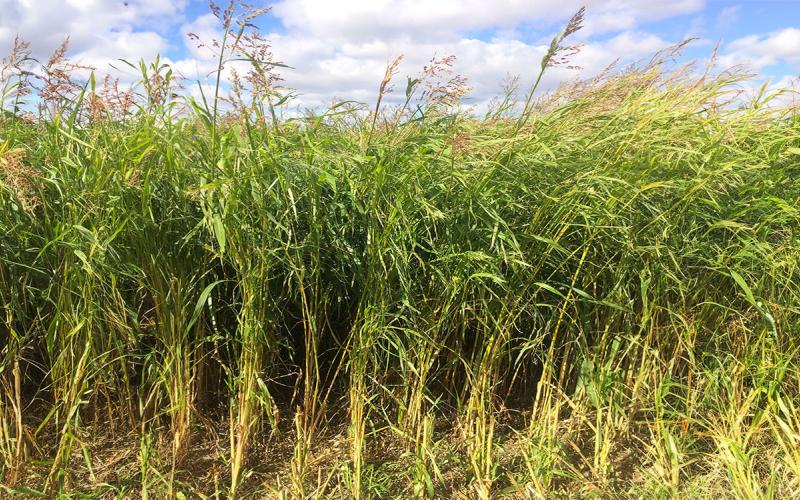
Your Cash Crop Flooded Out. What’s Plan B?
With significantly higher than normal precipitation in eastern South Dakota, many producers will soon be seeking a "Plan B" for their flooded-out row crops.
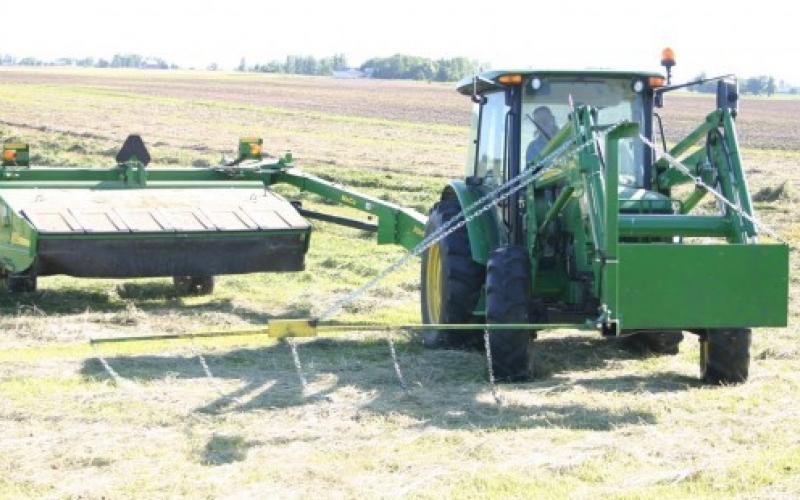
Haying With Wildlife in Mind
Anyone who has spent time cutting hay knows that hayland can be a magnet for wildlife in late spring and early summer. Hay fields are often considered an “ecological trap” for wildlife; that is, they appear to be high quality habitat for nesting or feeding due to tall, dense grass and legumes, but often lead to increased mortality once harvesting is under way.
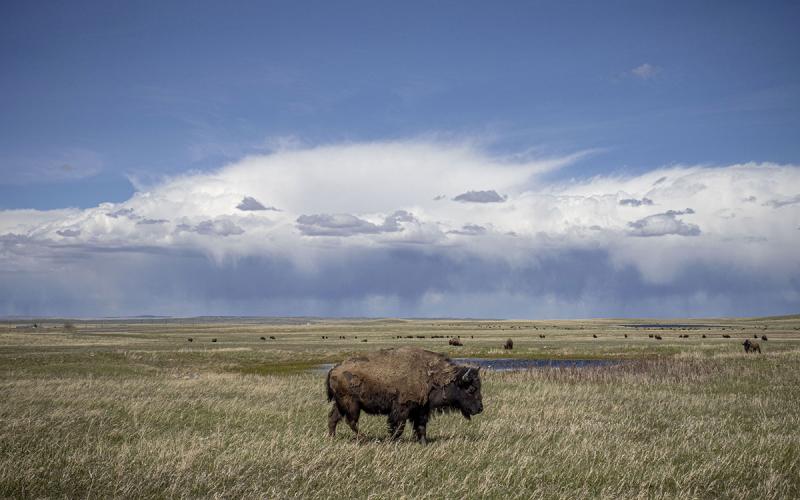
Climate Toolbox How-To: Preparing Your Ranch for Future Climate Scenarios
This article explores practical insights and tools offered in the Climate Toolbox that equip bison ranchers to make informed decisions in ranch planning, grassland management, and parasite control.

Creating a Virtuous Cycle of Grant Writing
Creating a virtuous cycle of grant writing can lead to a cycle of reinvestment and expansion within your community, allowing you to create new programs, reach new populations, and increase your capacity and impact, fueling your next cycle of success.