Search
Native Species
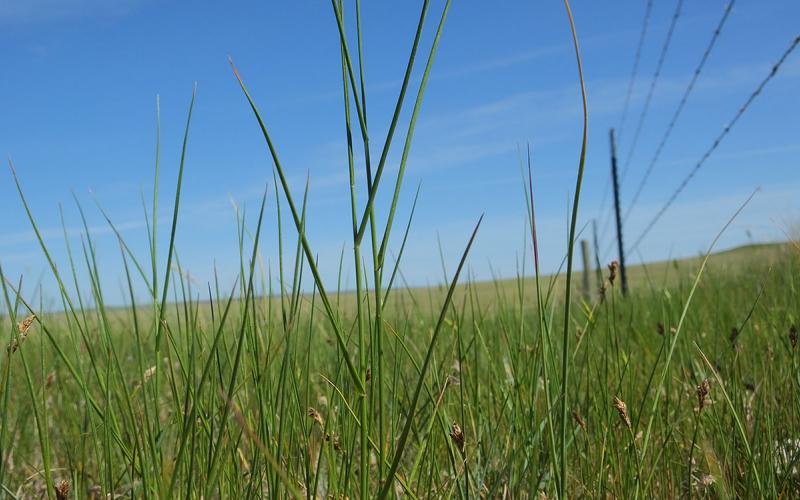
Native grassland species are a vital part of South Dakota’s livestock industry. Native species tend to be well adapted to the soils and climate of a specific area, and they are typically less susceptible to disease, pests, drought and other ailments.
Warm and Cool-Season Grasses
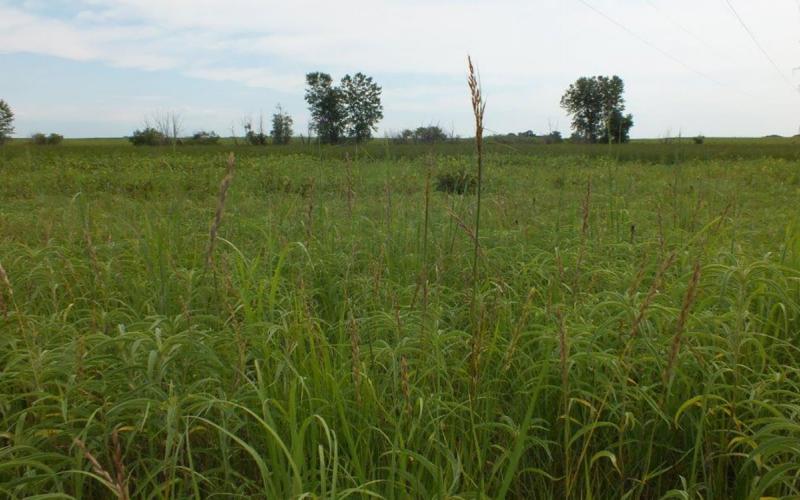
Grasses are often divided into two groups based on their season of growth. Cool-season grasses grow in the early part of the growing season (spring and early summer), while warm-season grasses grow later in the season (early summer to late summer).
Introduced Grasses and Forbs
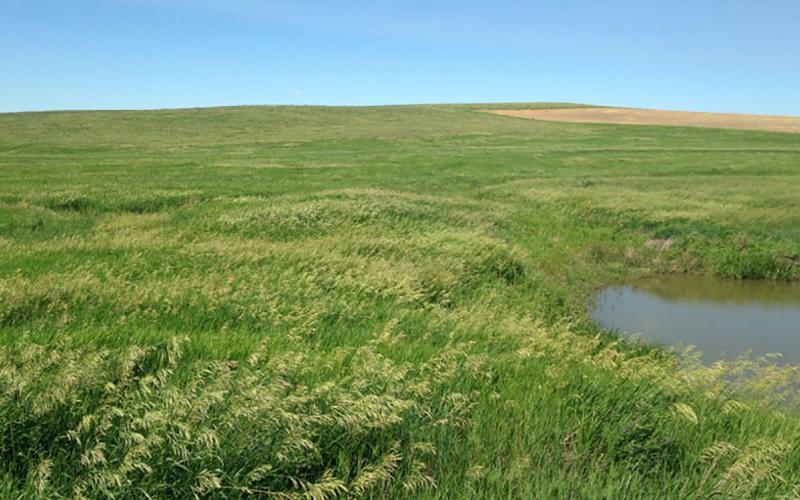
While native grasslands contribute greatly to the integrity of the overall grassland community in South Dakota, the use of introduced grasses has proven a popular alternative for some producers.
Replanting Cropland Back to Grassland
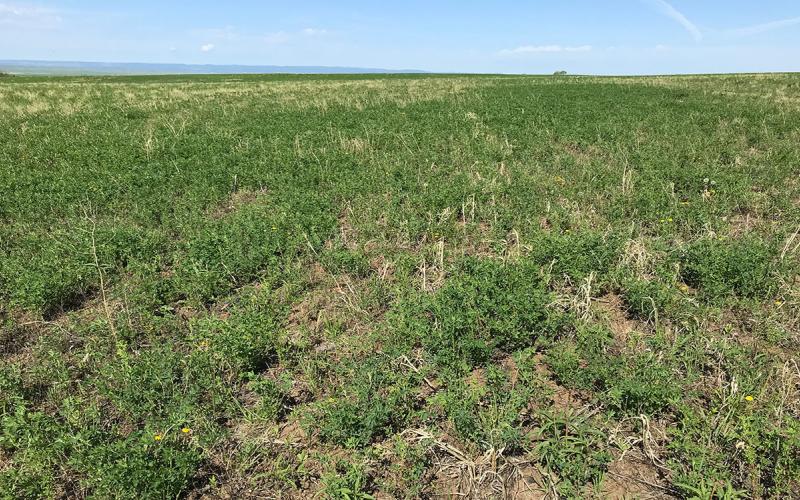
Planting cropland back to grassland takes some planning regarding previous herbicide use, soil fertility and seed bed preparation. The first step is to identify what resources are currently available to help you reach your objectives and what problems may need to be addressed.
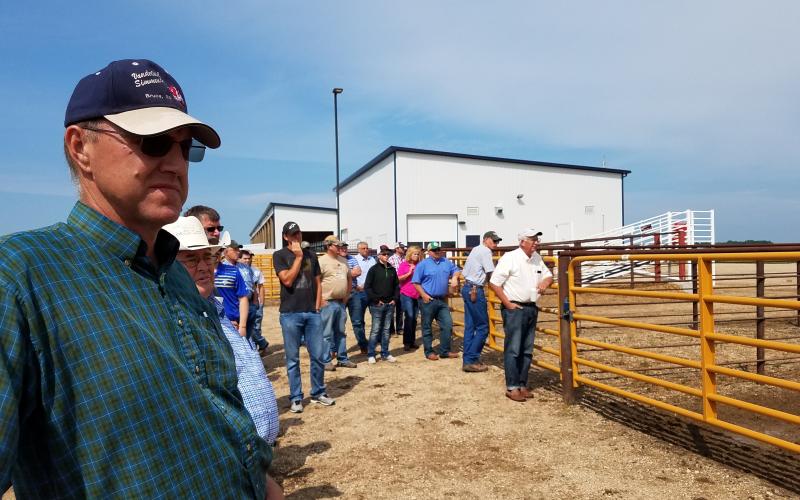
Registration Now Open for 2021 SDSU Extension Feedlot Shortcourse
June 21, 2021
The 2021 Feedlot Shortcourse returns to campus Aug. 11 and 12 and will be held at the SDSU Cow-Calf Education and Research Facility classroom, located at 2901 Western Ave. in Brookings
Grazing Systems
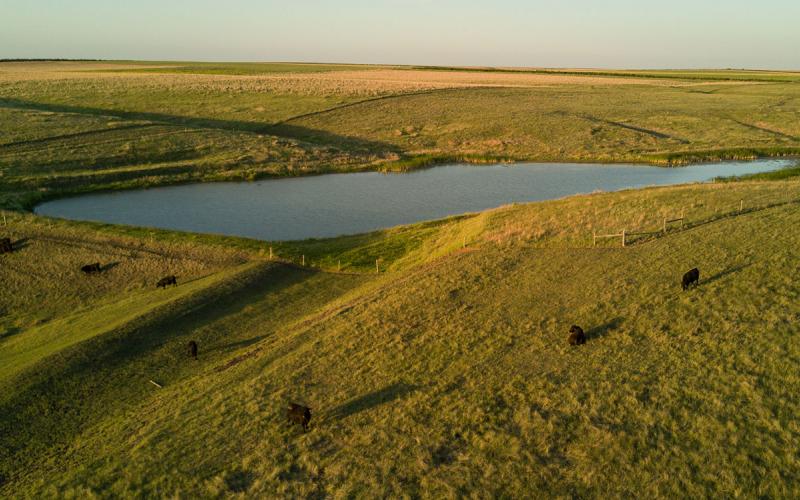
According to rangeland and pasture specialists, there are four basic types of grazing systems, including: continuous grazing, deferred rotational grazing, rest rotational grazing and management-intensive grazing.
Designing a Grazing Program
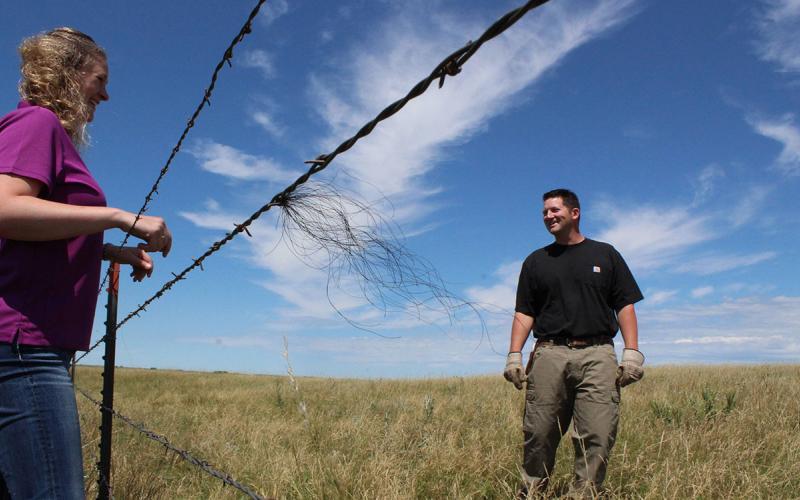
The development of a successful grazing management program begins with a mental inventory and an observation of what is happening that you would like to change. Next, consider what you are willing to do to make that change.
When To Graze and How Much To Graze
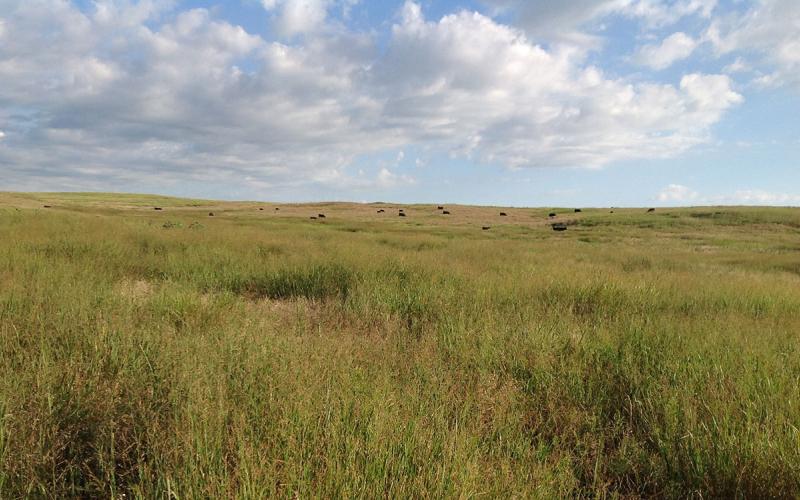
While every grazing management system is unique, there are a few similarities between systems when determining when to graze. Learn some of the factors to consider to avoid overgrazing.
Haying and Mowing/Clipping
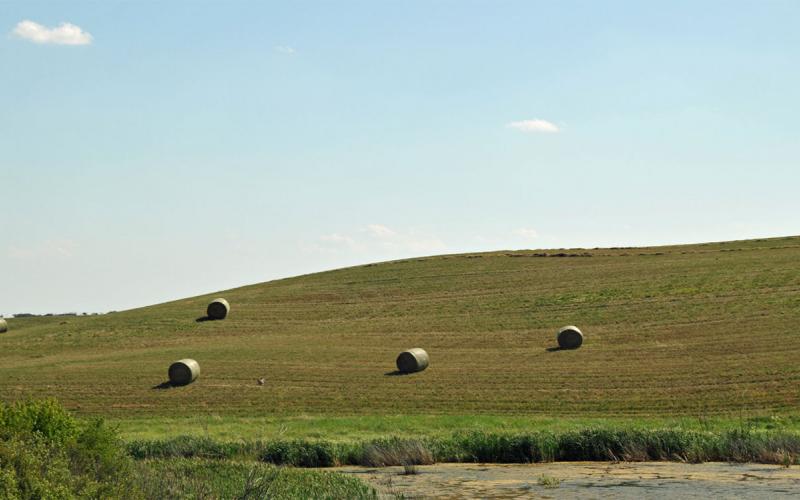
While grazing is the primary means of harvesting the majority of South Dakota’s native grasslands, haying also plays an important role in native and tame grassland management.
Swath/Bale Grazing
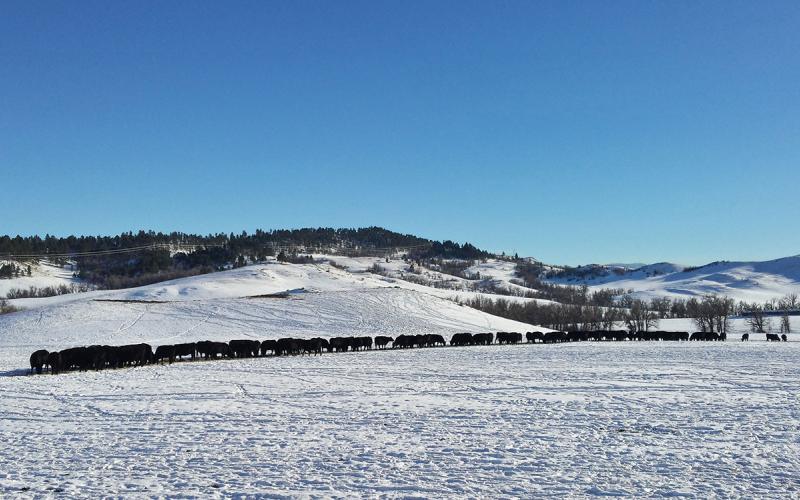
Swath grazing and bale grazing are harvest systems that mesh haying and grazing techniques. Generally, the objective is to reduce labor and equipment expenses by allowing livestock to consume the hay crop in the field.