Search
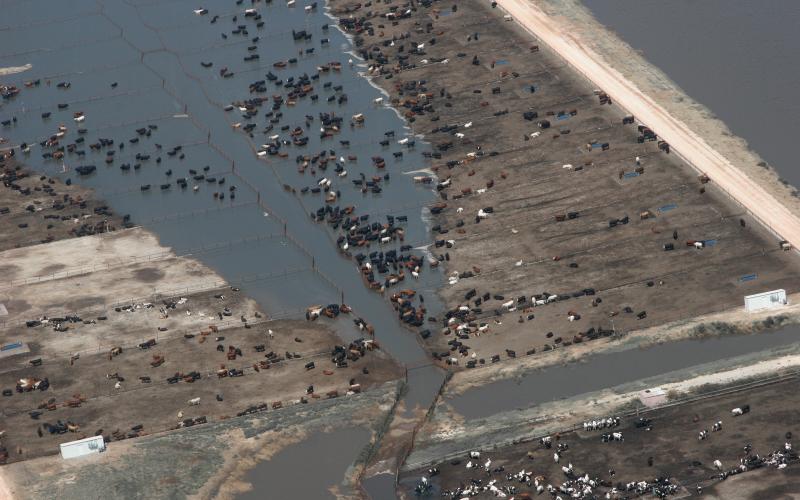
Dealing With Spring Mud and Flooding
As the snow melts, we are going to be left to deal with mud at a minimum and extensive flooding as a possible worst-case scenario. While we can’t control the pace of melting or the possibility of additional precipitation, we may be able to take a few steps to mitigate the negative impacts.
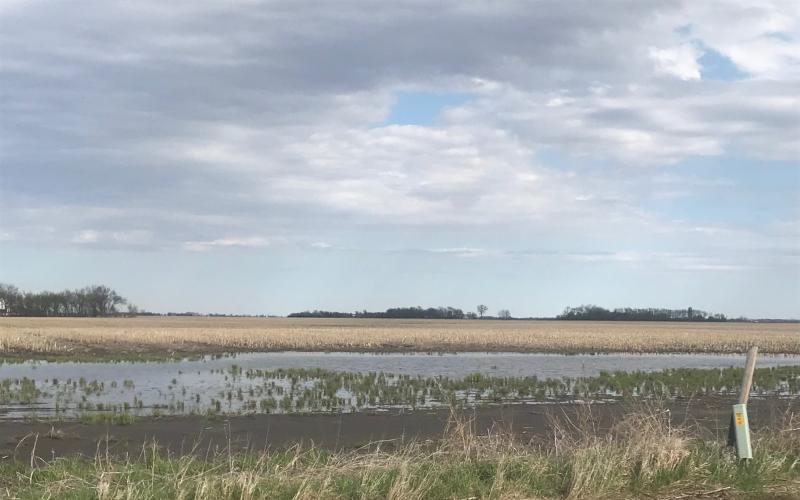
Delayed Planting Challenges: Cover Crop Considerations
High waters and saturated soils across many counties in South Dakota have producers worried about getting their crops planted in a timely manner this spring. In many areas, typical cash crops will not be a possibility. Producers may need to develop alternative plans.
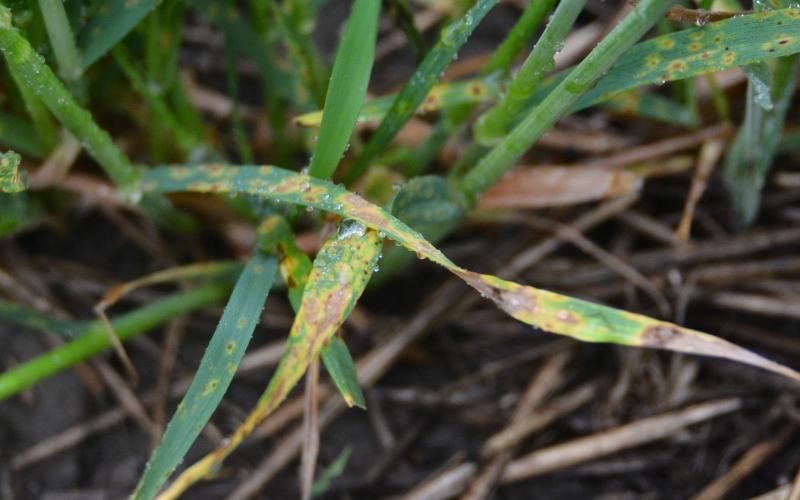
Diagnosing Early Diseases in Winter Wheat
Winter wheat progress is relatively behind the five-year average given the long winter season and low spring temperatures. However, it is important to scout and diagnose early-season diseases in winter wheat to determine the need for an early season fungicide.
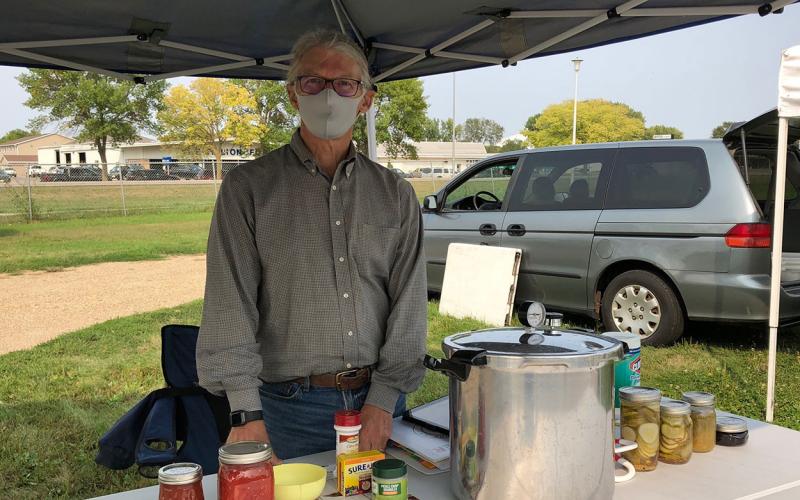
Schreiner Turns Backyard Hobby Into Community Support
Whether volunteering as a Master Gardener or a Master Food Preserver, Tim Schreiner says the interaction with people and seeing that “light bulb” moment after a conversation is really the fun part of the programs.

SDSU Extension hosts Sustaining the Legacy Conferences
October 28, 2025
South Dakota State University Extension will continue to assist farmers and ranchers with long-term planning through its Sustaining the Legacy conferences across South Dakota this winter.
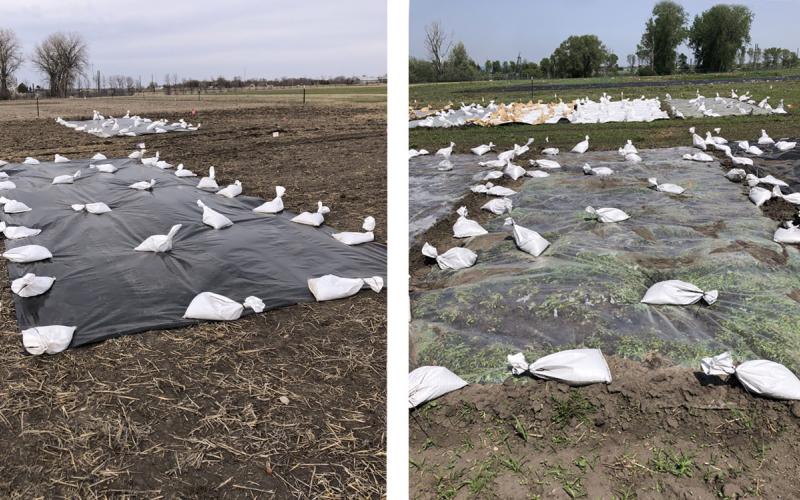
What is Soil Tarping and Why is it Used?
Soil tarping is a technique that uses large tarps to cover a growing space in order to reduce weeds and improve soil health before planting. Learn some expert insights into two commonly used soil tarping strategies.
Register Now for SDSU Extension Soil Management Workshop
November 22, 2022
This year’s Managing Soil: Maximizing Profit program is Dec. 2 at the NFAA Yankton Archery Complex Community Center in Yankton.
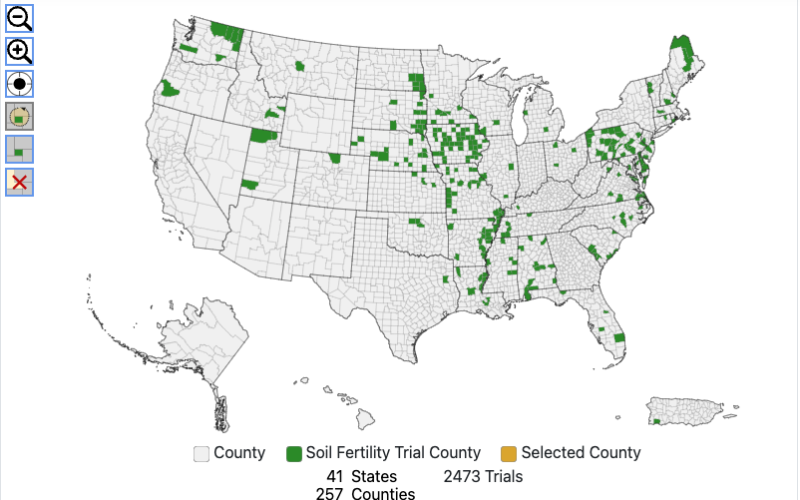
New digital Fertilizer Recommendation Support Tool launches nationwide
April 11, 2024
South Dakota State University Extension and project partners are proud to announce the nationwide release of the Fertilizer Recommendation Support Tool (FRST), a decision aid that provides an unbiased, science-based interpretation of soil phosphorus and potassium values for crop fertilization.
Early Preplant or Preemergence Applications for Weed Management in Corn: Which is better?
Preemergence herbicides should be a part of a successful weed management plan, as these applications limit the amount of early-season weed interference to limit yield loss and reduce selection pressure on herbicide-resistant weeds.

Native Plant Resources for South Dakota
As we continue to see the benefits of growing native plants in cultivated landscapes, finding the right plant for the right place requires the right resources. Learn about some available native plant sources, educational materials, and organizations serving our region.