Search
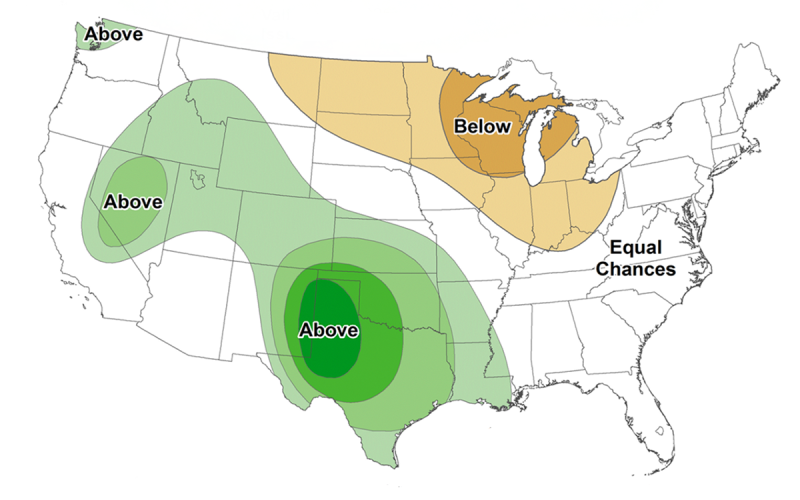
May 2025 Drought and Climate Update
Drought has plagued South Dakota since last year’s growing season. While producers welcome a spell of dry weather for planting spring crops at this time of year, recent moisture will not be enough to carry through the growing season.
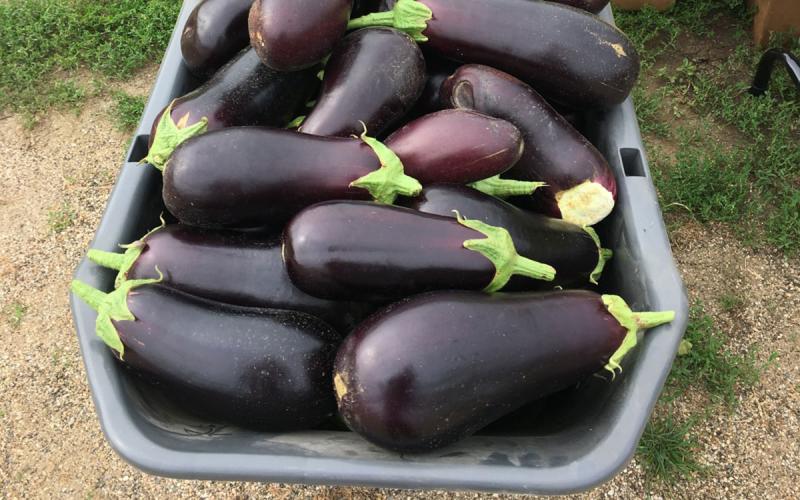
Eggplant: How to Grow It
Eggplant has culinary versatility, beautiful flowers and colors, and abundant yields. Learn some expert tips for planting, growing, and harvesting it in this resource!

Producing Organic Cabbage and Sweet Corn with Cover Crop Integration and Reduced Tillage: Updates from the SDSU Southeast Research Farm
Research on clover cover crops grown in combination with four tillage and weed suppression methods was conducted at the SDSU Southeast Farm. Vegetable crops trialed included sweet corn and three varieties of cabbage.
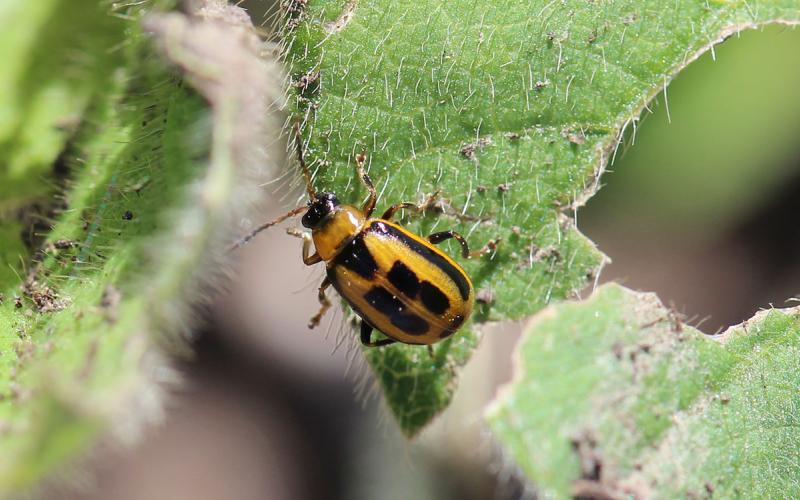
South Dakota Overwintering Bean Leaf Beetle Predicted Mortality: 2024-2025
Each year we evaluate the overwintering success of bean leaf beetles in South Dakota. For adult bean leaf beetles that successfully overwintered, emergence will begin in the spring and they will move into soybean fields.
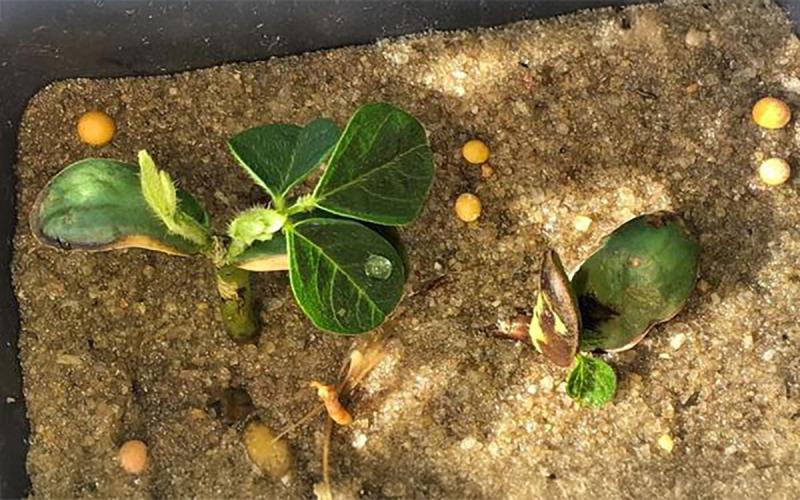
Wind and Rain May Have Delayed Preemergence Herbicide Application: What Now?
With recent winds and rain, preemergence herbicide applications may be further delayed. Scouting to determine if crops and/or weeds have emerged is critical to ensure effective and safe application of preemergence herbicides.
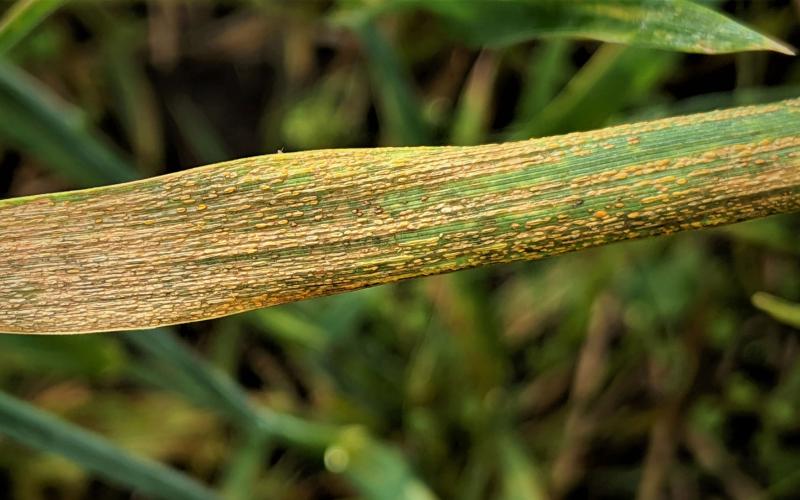
Wheat Diseases Identification Pocket Guide
Accurate plant disease identification is the first step in designing effective and sustainable disease management programs. The purpose of this guide is to provide information on how to recognize wheat diseases and also to provide possible management options.
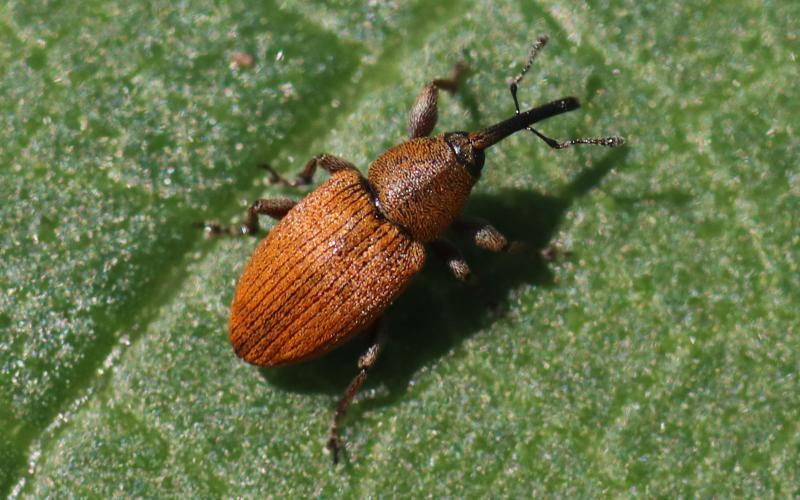
Red Sunflower Seed Weevils in South Dakota
Fact sheet on red sunflower seed weevils in South Dakota

SDSU Extension Silage/Earlage Calculator
The Silage/Earlage Calculator is designed to help corn and livestock producers answer questions regarding the value of standing fields of corn either as grain, silage and earlage.
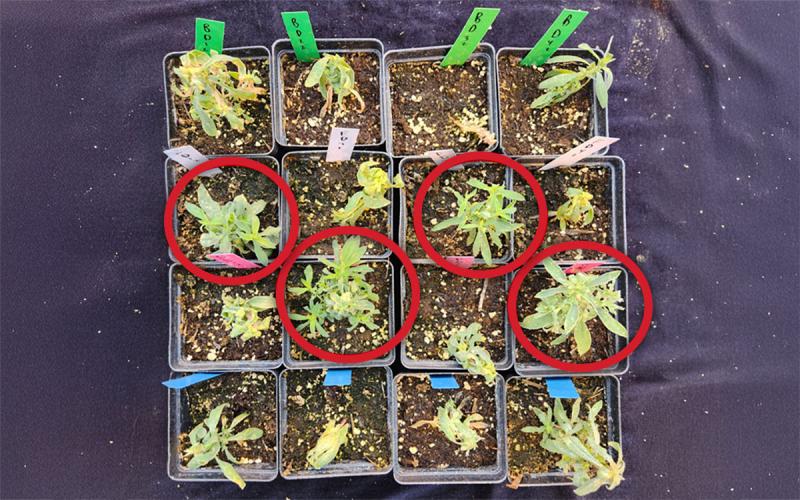
Dicamba-Resistant Kochia Can Likely Be Found Across South Dakota
Kochia populations collected across South Dakota have been subjected to an herbicide effectiveness screen, where a treatment of dicamba was applied and some kochia plants exhibited survival and regrowth after treatment.

Fusarium Head Blight Update: May 29, 2025
Fusarium head blight, also known as scab, is a fungal disease that infects wheat heads during flowering. Recent weather conditions across South Dakota have provided the environment needed for Fusarium head blight to begin infection.