Search
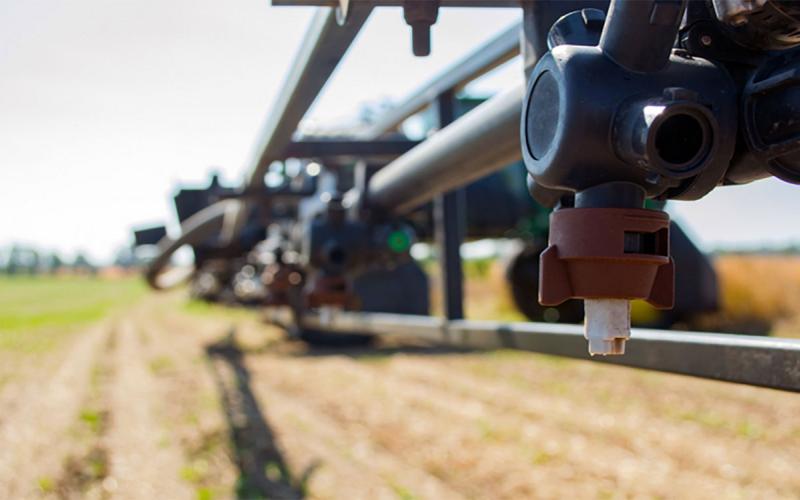
Factors Influencing Spray Coverage
Learn about the different factors that influence spray coverage and how you can tailor your practices to ensure that proper coverage is achieved.
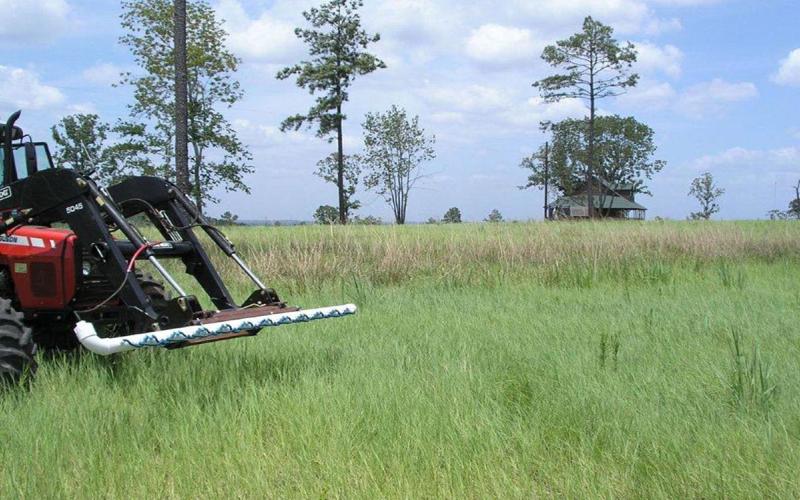
Low-Cost and Adaptable Plans to Build a Wick Applicator for Herbicides
From crop fields to home gardens, wick applicators can manage weeds by applying herbicides directly to weeds growing at a set height above desirable plants. Learn how to build one yourself in this article.

Look Out For Early Season Wheat Diseases
Conditions have been favorable for disease development in South Dakota winter wheat fields, especially for Septoria. It’s important to scout fields to determine what diseases are present before deciding to apply a fungicide early in the season.
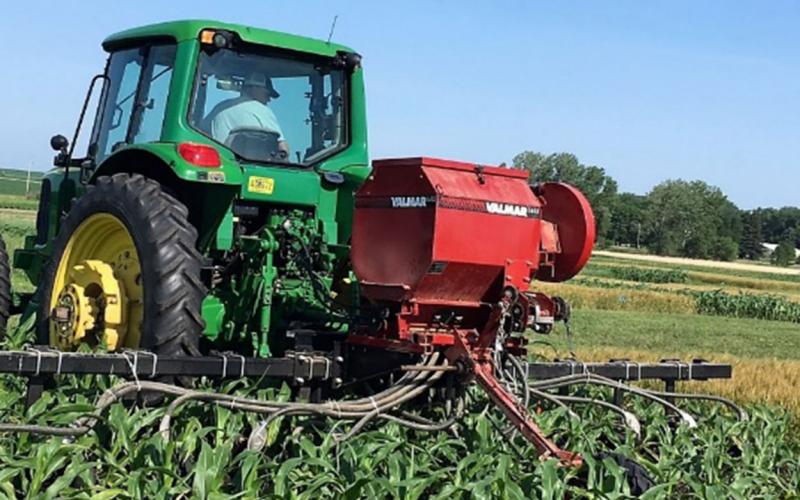
Cover Crops in Modern Agriculture
Fact sheet on cover crops in modern agriculture.
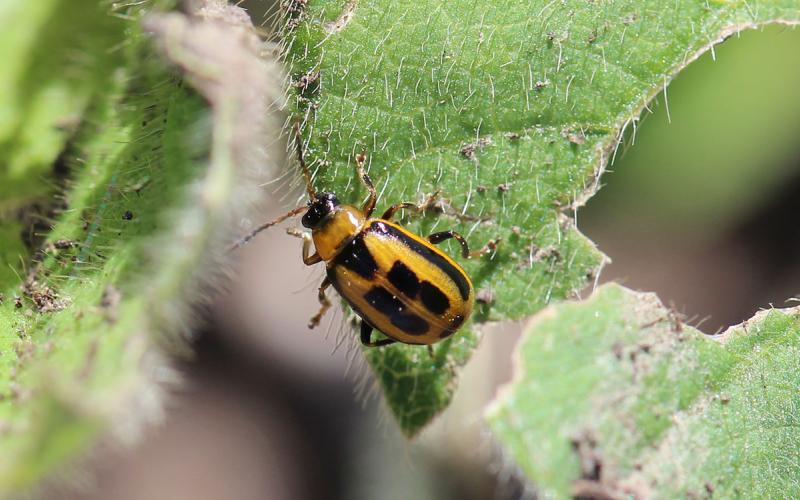
South Dakota Overwintering Bean Leaf Beetle Predicted Mortality: 2023-2024
Every year we evaluate the overwintering success of bean leaf beetles in South Dakota. At emergence, the overwintering population of bean leaf beetle adults will move into soybean fields and begin feeding on the seedlings.
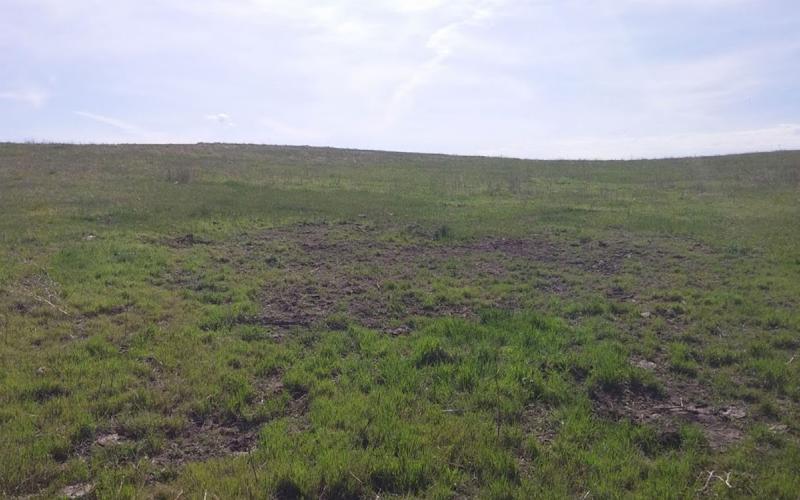
Dying Patches in Your Pasture? Make Sure You Don’t Have White Grubs.
There have been an increasing number of reports of pastures with dead areas showing up this spring. A little digging into these areas has revealed that part of the problem is the presence of true white grubs, which are the larva of June beetles.
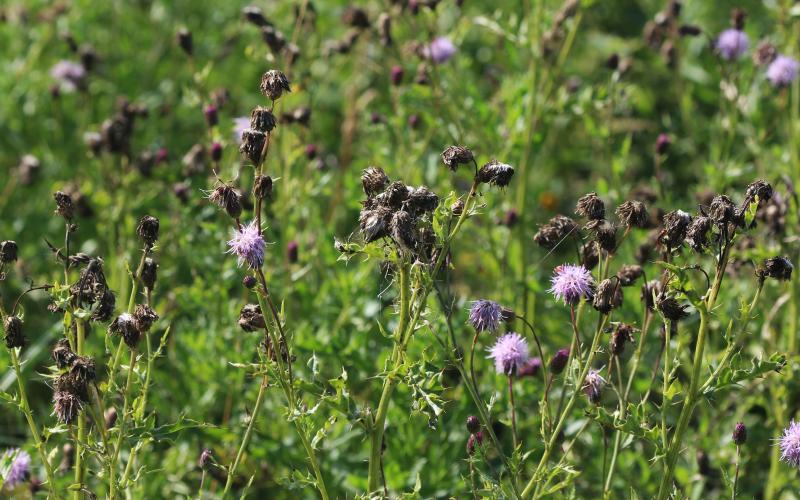
Current State of Noxious Weed Management in South Dakota
Results of an online survey to determine how South Dakota stakeholders are currently managing noxious weeds.
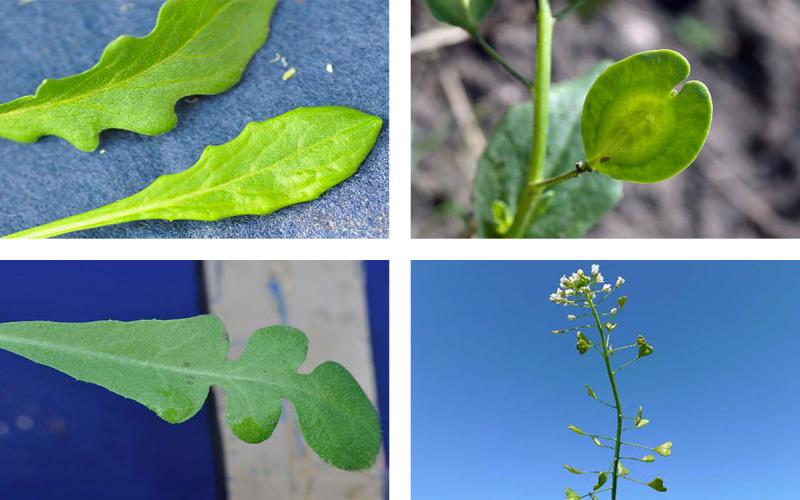
Early Season Prevalence of Field Pennycress and Shepherd’s Purse
Many fields that are planted to winter wheat or have yet to be tilled may have a healthy infestation of field pennycress or shepherd’s purse. Learn some expert tips for identifying and managing these weeds before they become a problem this growing season.
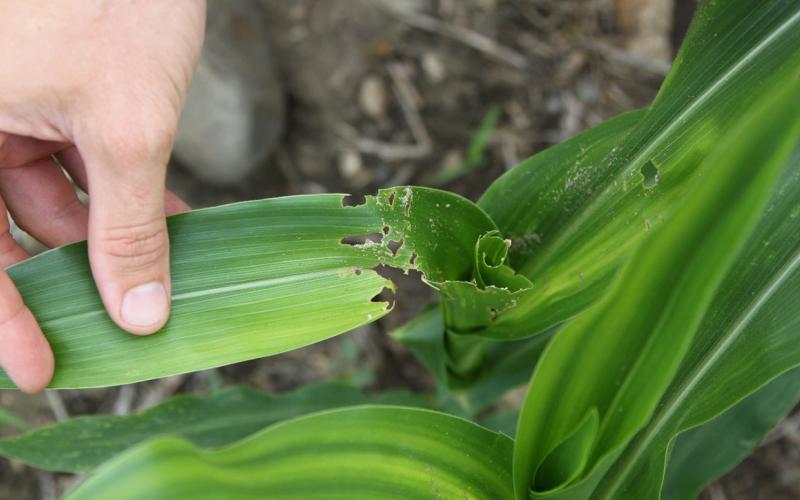
Common Stalk Borers and Why They Matter in Early Season Corn
Based on current degree day accumulations, the common stalk borer caterpillars are developing within weeds and grass hosts. Once the caterpillars outgrow these hosts they will begin moving into corn fields.
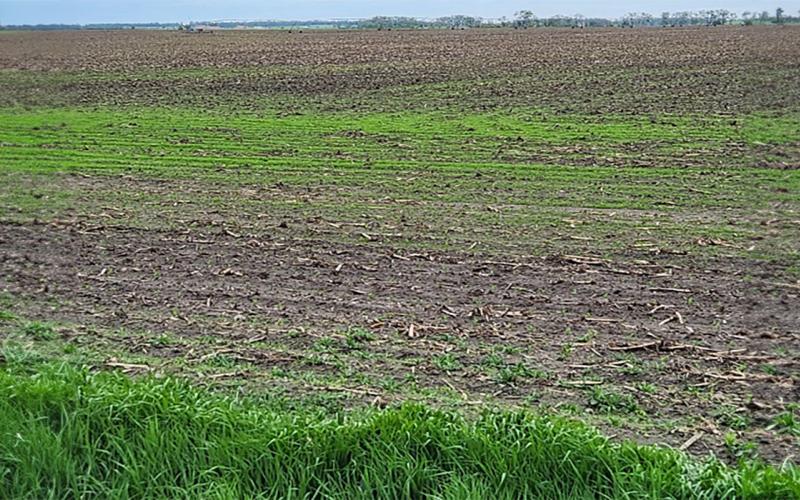
Weeds Are Starting to Emerge: Even After a Preemergence Herbicide Application
During recent scouting, weeds were noticed in plots treated with preemergence herbicides. Learn some troubleshooting considerations to help determine why some weeds emerge following preemergence treatments.