Search
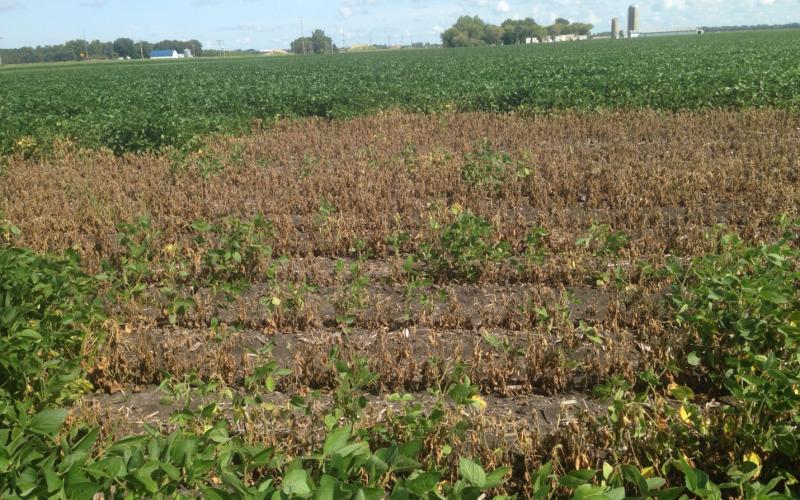
Seeing Dead Soybean Plants in a Circular Pattern? Could Be Due to Lightning
While quite uncommon for lightning to damage row crops, it does happen. Thunderstorms can have lightning that can burn soybeans plants leading to their death.
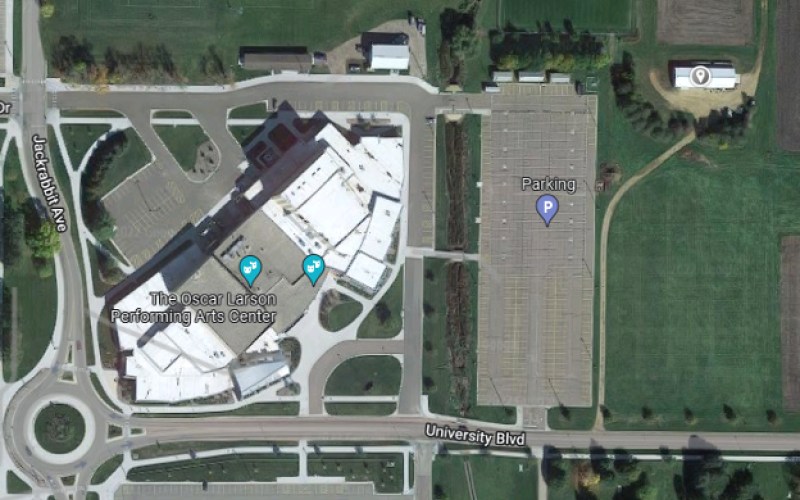
SDSU Extension to host third annual Specialty Crop Field Day in Brookings
September 06, 2023
South Dakota State University Extension’s horticulture team invites everyone to attend the 2023 Specialty Crop Field Day.
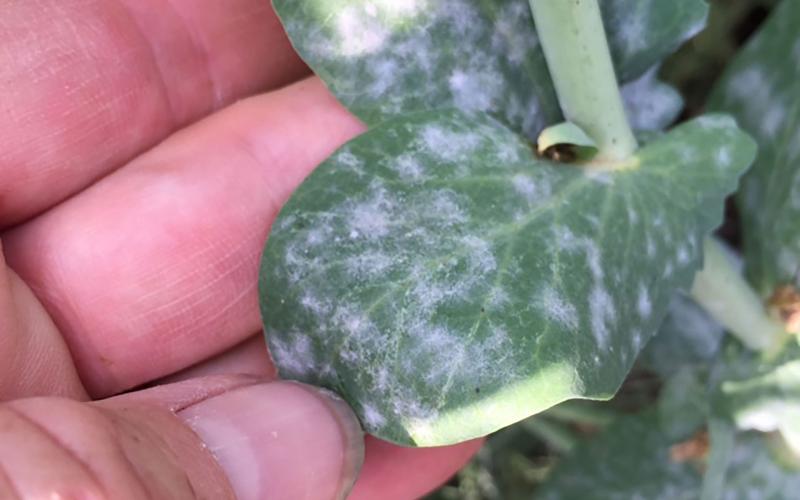
Powdery Mildew: A Disease Concern in Field Peas
Producers of field peas may need to scout for powdery mildew this year. Powdery mildew is a late-season fungal disease that can impact peas if weather conditions are conducive. However, this disease can also occur in early planted fields in South Dakota under the right environmental conditions and when the crop canopy is heavy.
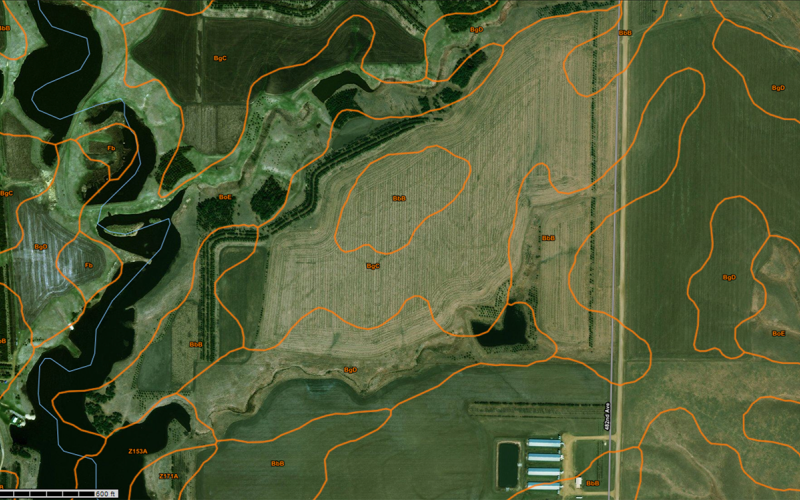
Precision Agriculture and Zone Management
Precision agriculture tools can address the variations in a production system to enhance plant growth and crop yield. Zone management controls the variable rate of inputs for optimal performance within a defined field zone.
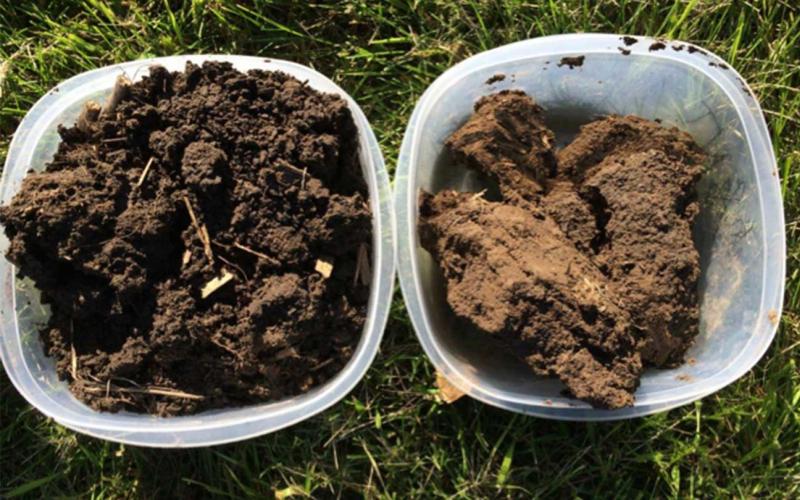
Organic Agronomy Starting to Impact
For decades scientists have known that a handful of soil contained more micro-biological organisms than the number of humans on earth. Science is just beginning to discover these organisms and learn about their functions and contribution to their soil ecosystem.
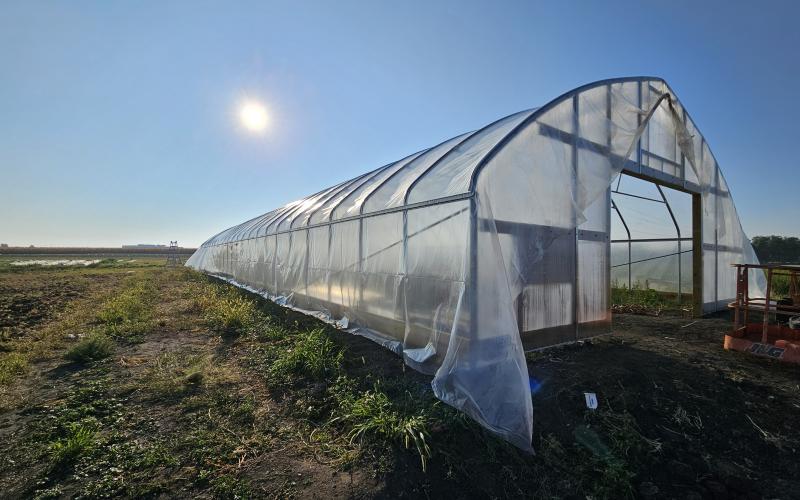
SDSU Extension hosts hands-on high tunnel build experience
April 23, 2024
South Dakota State University Extension is offering a four-day workshop, How to Build a High Tunnel, on May 7-8 and 14-15, 2024, from 9 a.m. to 4 p.m. each day. Registration is required, and space is limited.

SDSU Extension to host 4th annual Specialty Crop Field Day
August 28, 2024
This free, family-friendly event will feature a series of presentations and field tours related to small- to mid-scale commercial vegetable production research trials. Field tours will feature SDSU Extension research plots of cucumbers, tomatoes, melons, onions, peppers and broccolini.
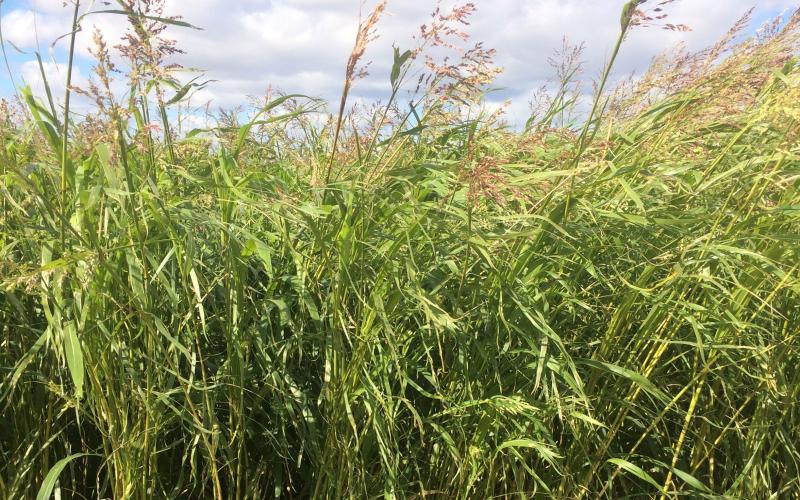
Cover Crops 2019: What to Plant When
As many Midwest producers look to cover crops to build soil health and provide supplemental forage after a soggy spring, many questions are arising regarding management decisions, specifically, species selection and planting timing.
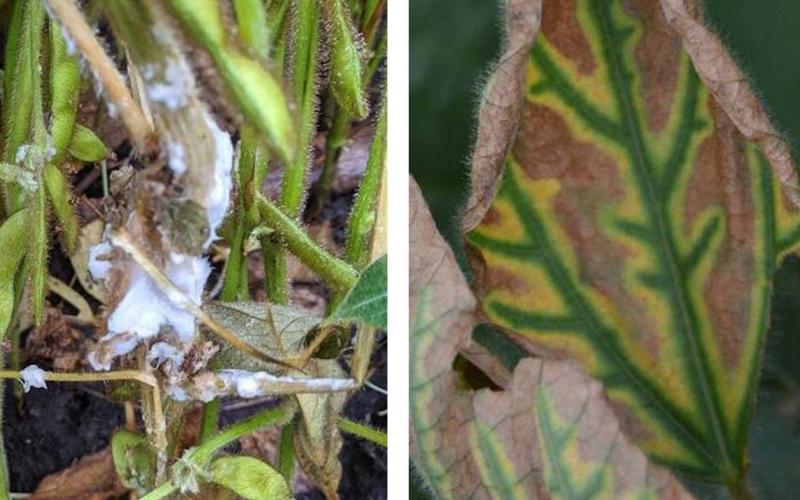
White Mold and Sudden Death Syndrome Starting to Develop
White mold and sudden death syndrome are starting to develop in a number of soybean fields. These two diseases develop starting at the soybean flowering growth stage and can occur throughout the rest of the soybean growing season.
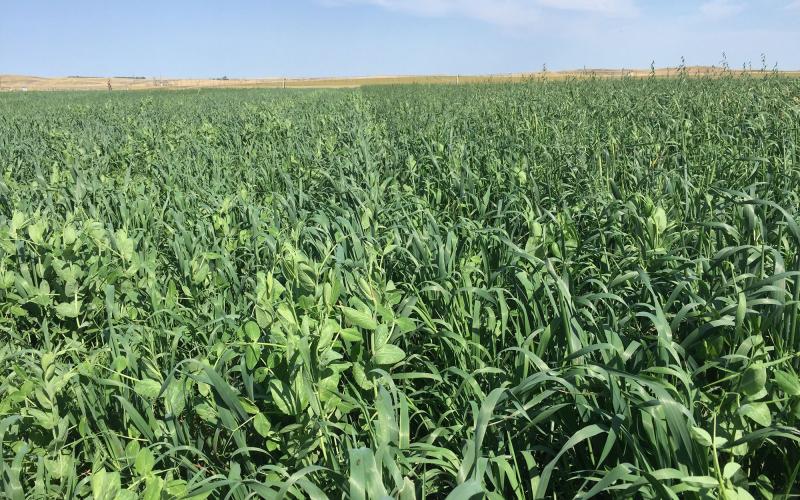
Peas Offer Options in 2020
Current events have made decisions around crop options very difficult this spring. Field peas are an option that may have a fit for some producers.