Search
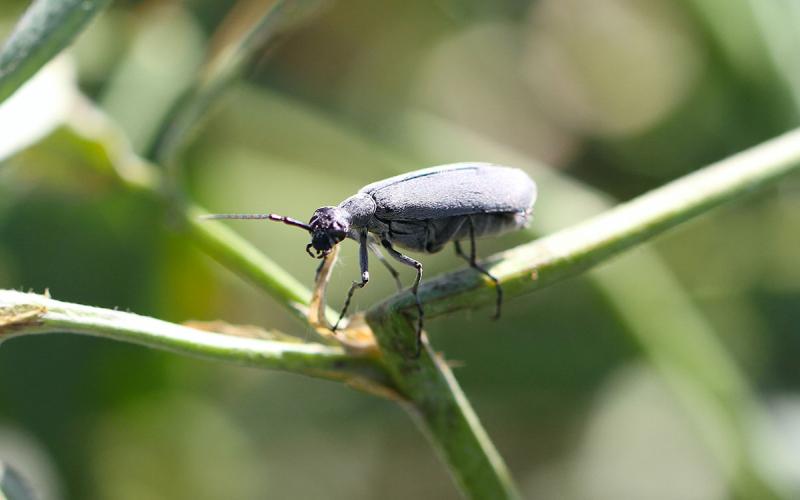
Blister Beetles Are Ramping Up
Within the past week, blister beetles have become a common appearance in South Dakota alfalfa. While we managed to avoid early infestations this year, fields should now be monitored prior to harvest for the remainder of the growing season.
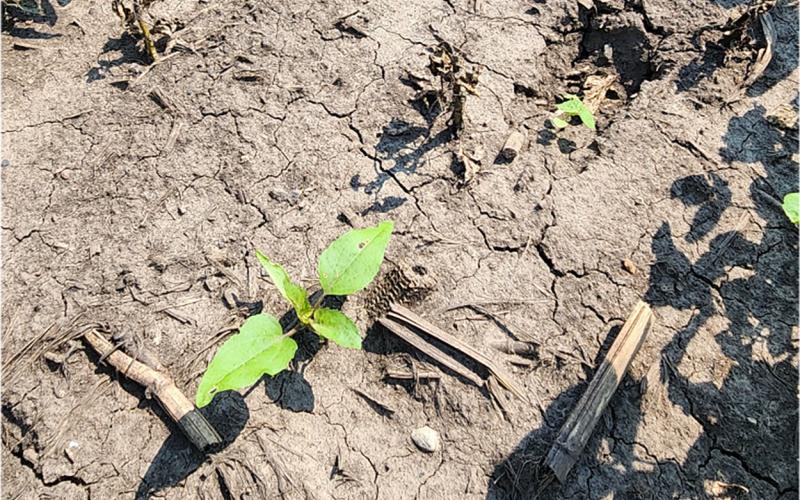
Excess Moisture and Heat Will Likely Increase Weed Growth and Germination
With warmer temperatures on the horizon, crop growth and development is set to rapidly increase, and so is weed growth and germination. Learn some expert tips for scouting and managing later-emerging weeds.
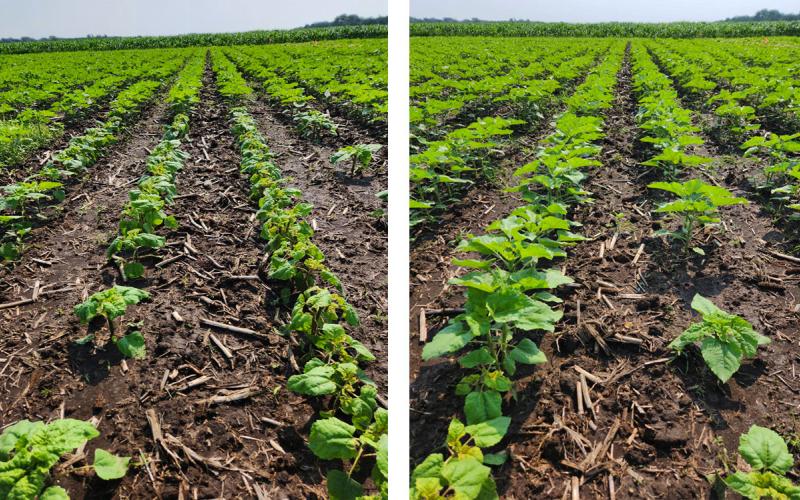
Would you rather know or assume? A reminder to check varieties before spraying.
No matter how busy you are this growing season or in the future, you should never be too busy to stop and take a few minutes to double check herbicide types and crop varieties before spraying.
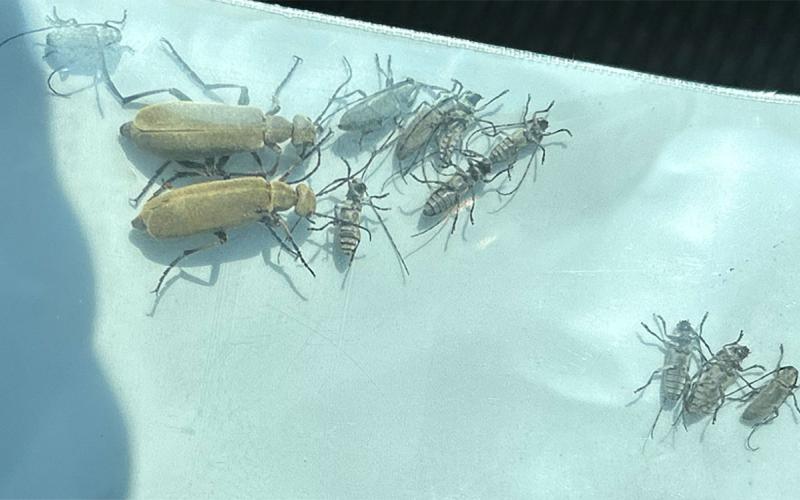
Dectes Stem Borer Adults Are Active in Soybean
SDSU Extension is again surveying soybean in South Dakota for Dectes stem borer adults. After a slow start this growing season, large populations of beetles were observed in soybeans last week.
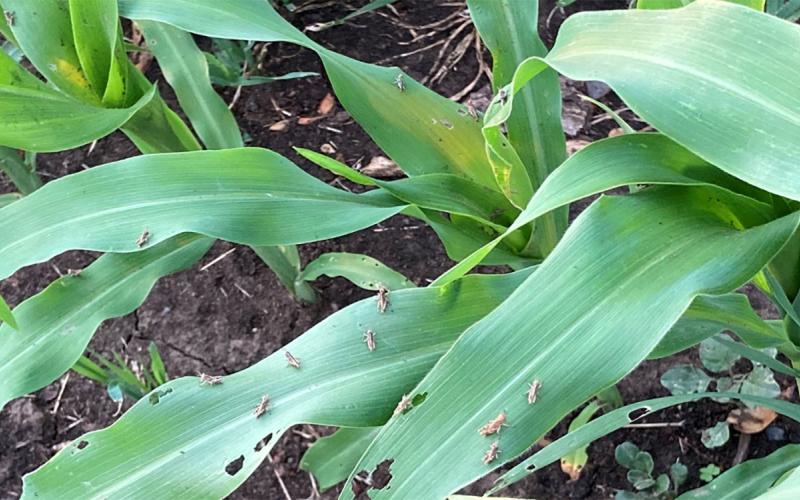
Monitor Crops for Grasshopper Activity
Abundant precipitation throughout much of South Dakota has resulted in less grasshopper observations. However, in areas where grasshoppers were an issue in 2023, they are starting to show up again.
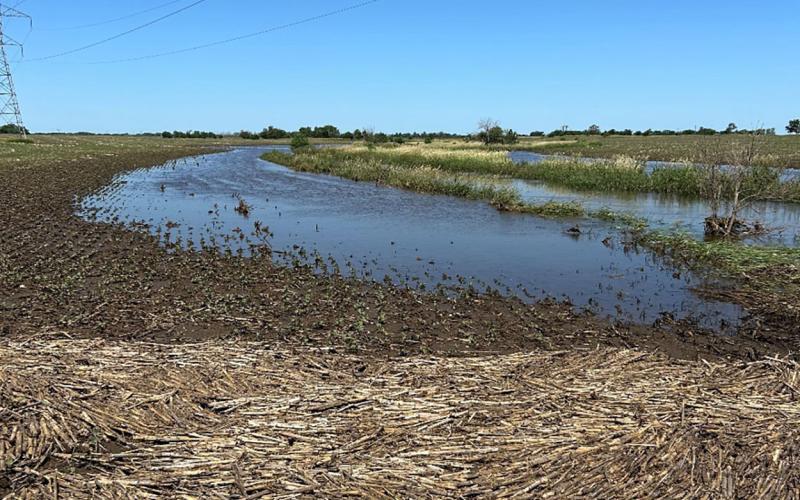
Replanting in Flooded Soybean Fields
If you have large, flooded areas where soybeans have died this summer and herbicides are limiting your replant options, consider trying late-maturing soybeans as cattle feed this year.

Fusarium Head Blight Forecast
The warm and humid conditions prevalent in South Dakota throughout June 2024 have significantly favored Fusarium head blight disease development. As of this week, the risk for Fusarium head blight has begun to increase.
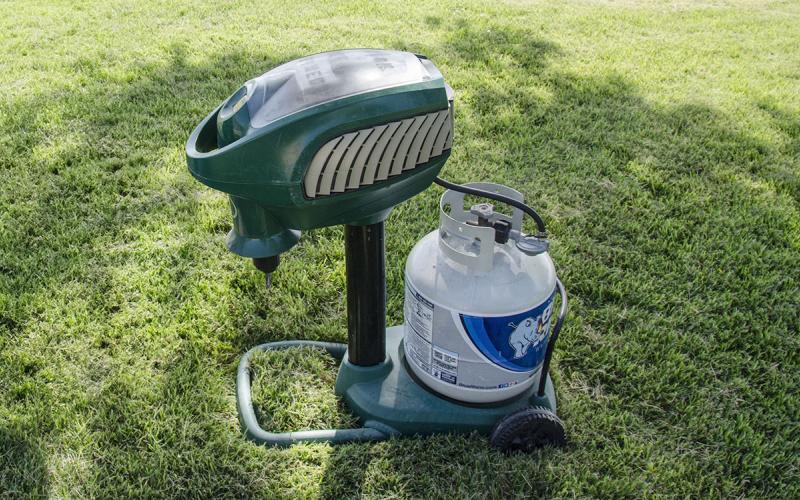
These mosquitoes are awful! What can I do in my backyard to manage them?
Mosquitoes are out in force across much of South Dakota. While there are steps you can take to prevent bites, there are also chemical and non-chemical options available for backyard mosquito control.
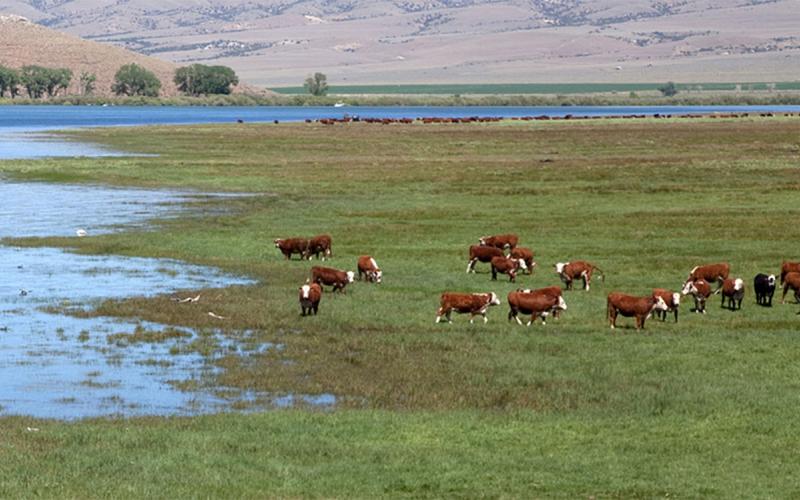
Management of Flood-Damaged Pastures
Receding flood water is just the start of recovering pasture ground following a flood event. Learn some expert tips for thoroughly evaluating damaged pastures before regrazing.

Davis retires after 30 years with SDSU Extension
July 17, 2024
South Dakota State University Extension Crops Business Management Specialist Jack Davis is retiring after 30 years of serving South Dakota’s agricultural community.