Search
Removing Mature Shelterbelts From Grasslands
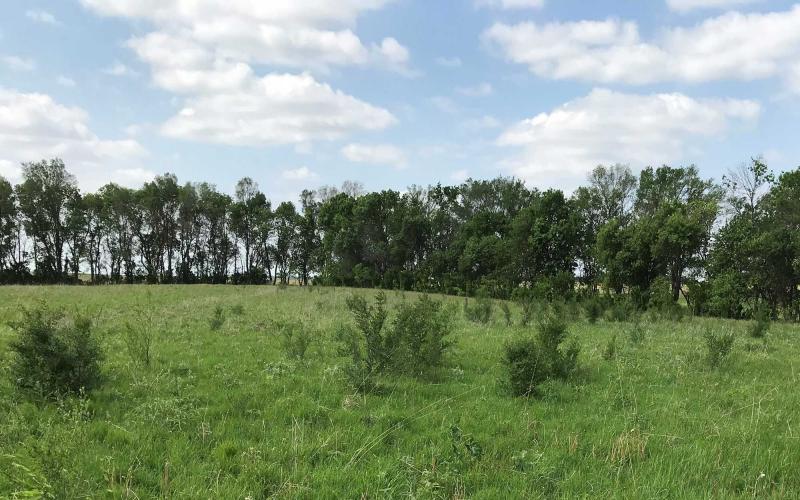
Under what circumstances would removal of mature shelterbelts be warranted? This is a common question often asked in wildlife and conservation circles.
Management Recommendations for Soybean Aphids
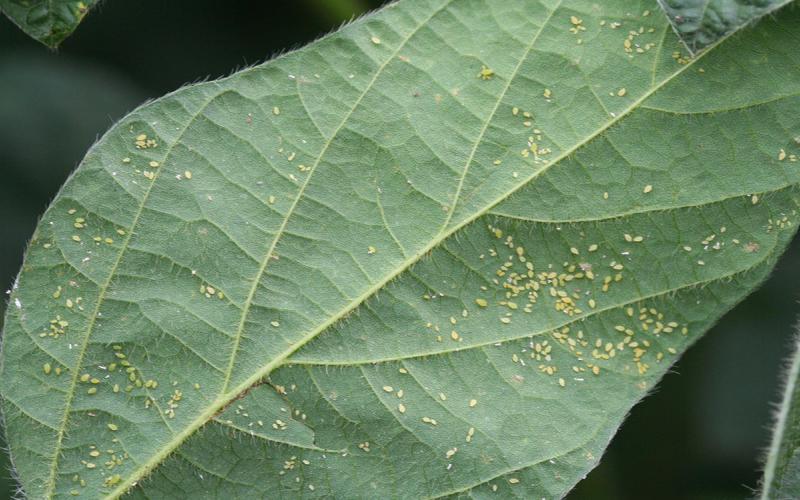
In many fields across eastern South Dakota soybean aphid populations have reached economic thresholds, and there have been a lot of questions regarding the best approach to managing the 2024 outbreak.
Starter Fertilizer in Winter Wheat
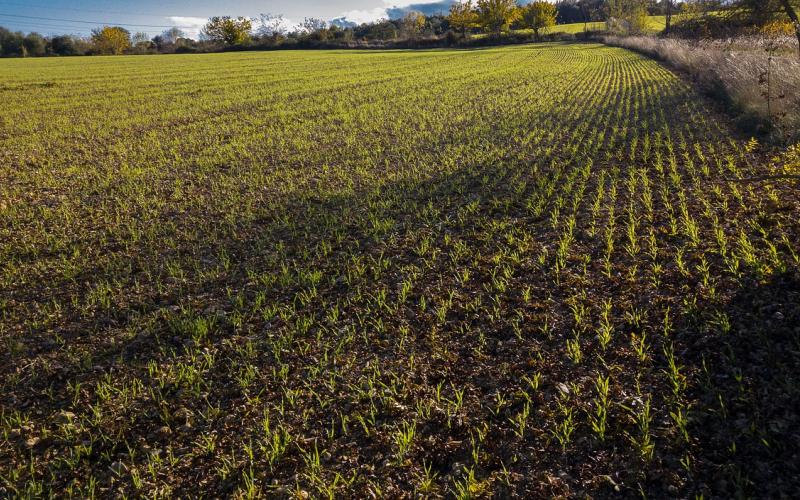
Winter wheat planting season is soon at hand. Questions often abound on the issue of fertilization rates, timing and placement. Over the years, a lot of research has focused on starter fertilizers or split-applying nitrogen (N) and other nutrients. In general, phosphorus placed with the seed has been shown to increase tillering and total grain yield. Nitrogen is more uncertain, due to the possibility of salt burn and the associated yield losses.
Soil Penetration Resistance as a Soil Health Indicator
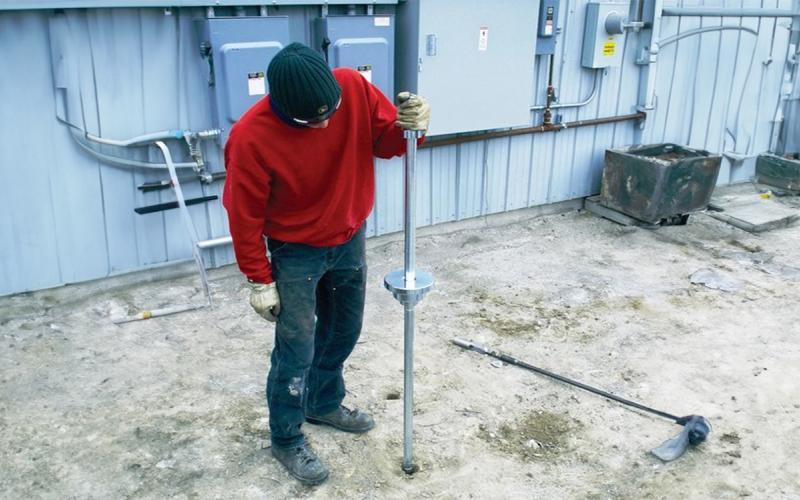
Soil penetration resistance is an indicator of soil compaction and the force required for root growth through the soil. It can be measured in the field using a tool called a penetrometer.
The Value of a Preemergence Herbicide After a Dry Period During the Growing Season
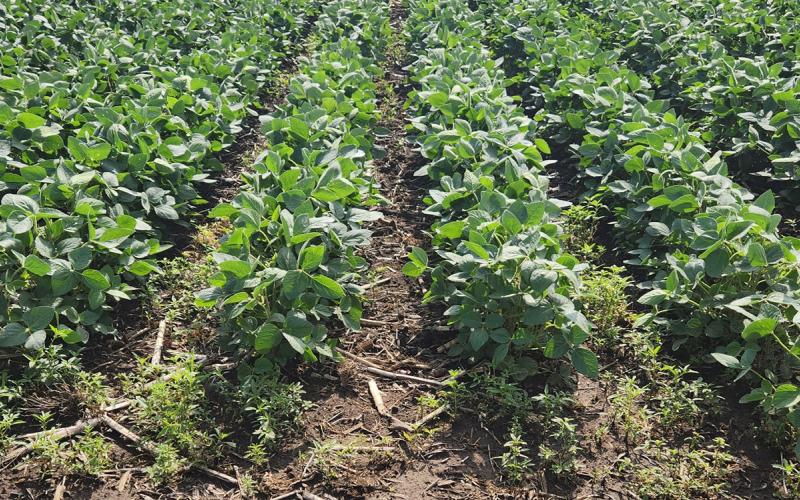
Preemergence herbicides are an essential component of weed management, even when early season weather isn't cooperative. Learn about some of the benefits they can offer following a dry growing season.

Growing Connections: An Organizational Map of the South Dakota Local Food System
Behind every farmer’s market, community supported agriculture share, or local food event is a network of advocates, educators, and organizations that make it all possible. The South Dakota Local Food System map illustrates the organizations that strengthen local food through a variety of roles and functions.
How to Stop Drift
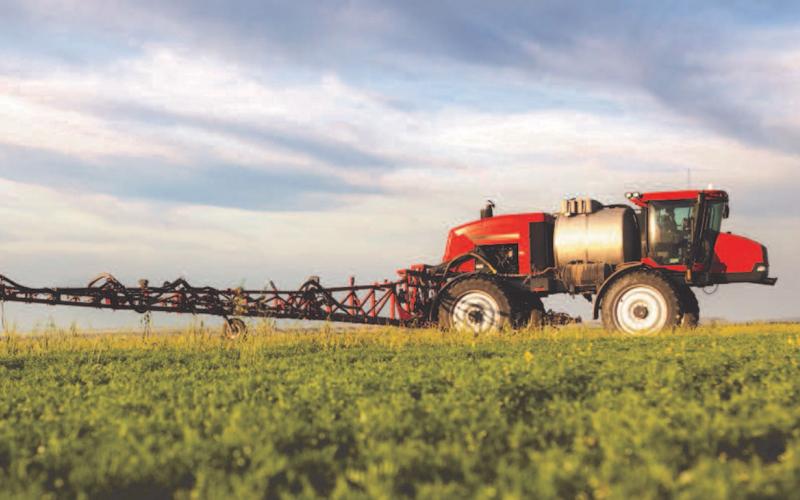
The goals of applying any crop protection products include: increasing effectiveness, mitigating drift, and maximizing profits. We will focus on mitigating drift, even though all three interact with each other.
Range Roundup: SDSU Native Plant Initiative Strengthens Conservation and Supply of Native Plants
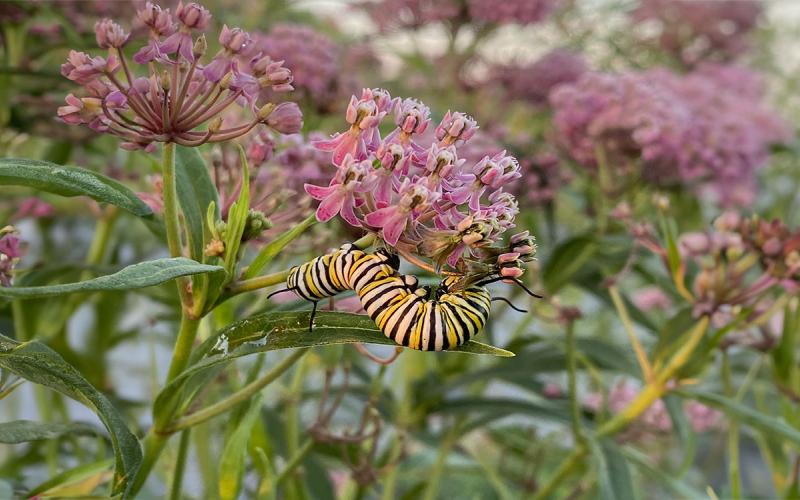
SDSU’s Native Plant Initiative has been hard at work on research that focuses on the conservation and supply of native plants.
Field Studies: Replicated Comparisons vs. Side-by-Side Comparisons
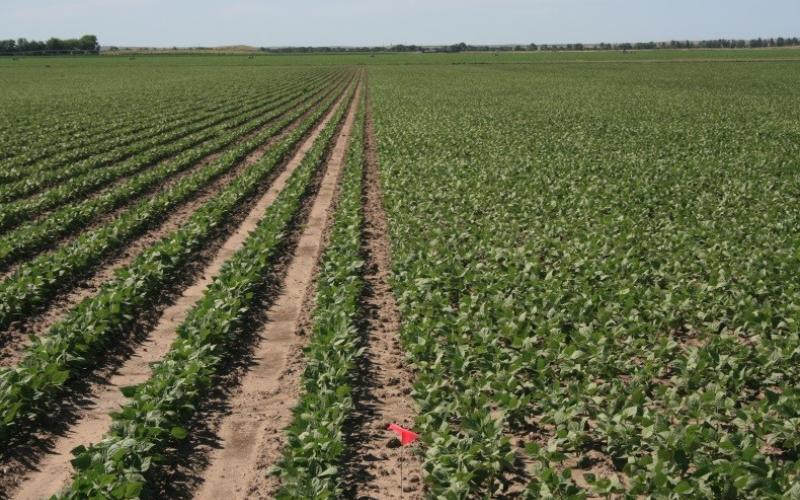
How should a basic study be set up or laid out in the field? One very common approach is to divide a field in half and compare the halves or possibly compare two fields in close proximity and see which variety or practice yields highest. This approach can end with very misleading results because of the variability that exists across a field or fields due to many factors.
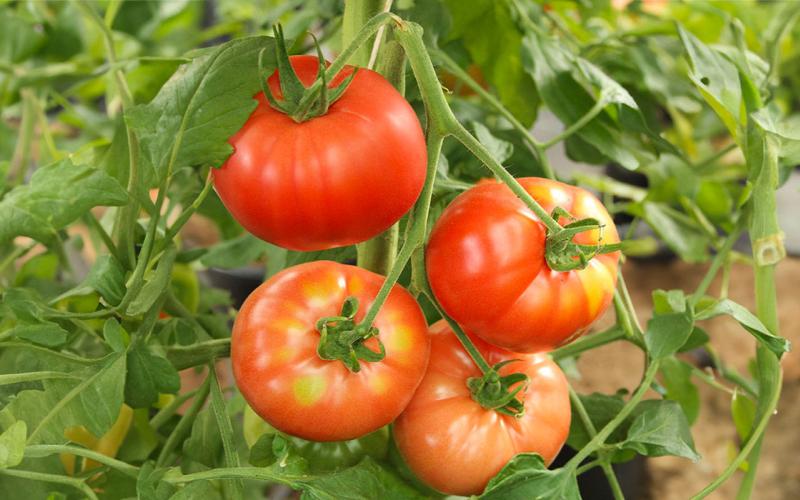
Will Heat Make My Tomatoes Ripen Faster?
Are you wondering why your tomatoes won’t ripen? Have you heard that heat will make them ripen faster? Learn some answers to commonly told myths about tomatoes.