Search
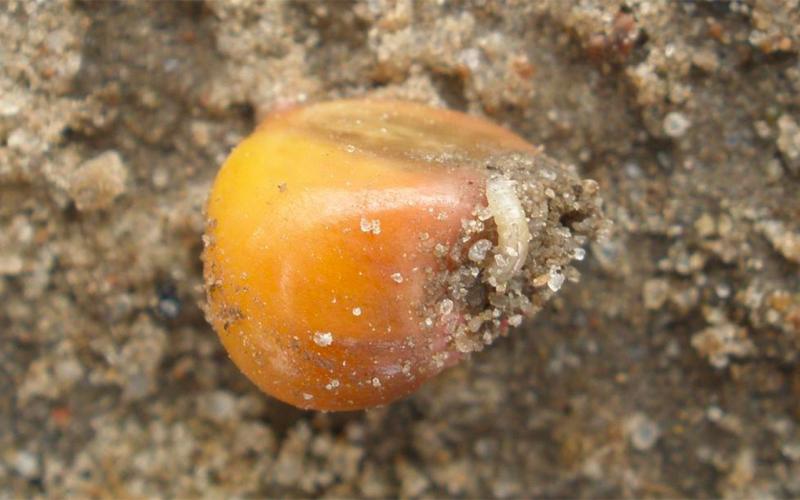
Seedcorn Maggot Degree Day Activity Estimates: May 26, 2022
Many areas in South Dakota have reached peak emergence for the second generation of seed corn maggots, while others are still approaching it.
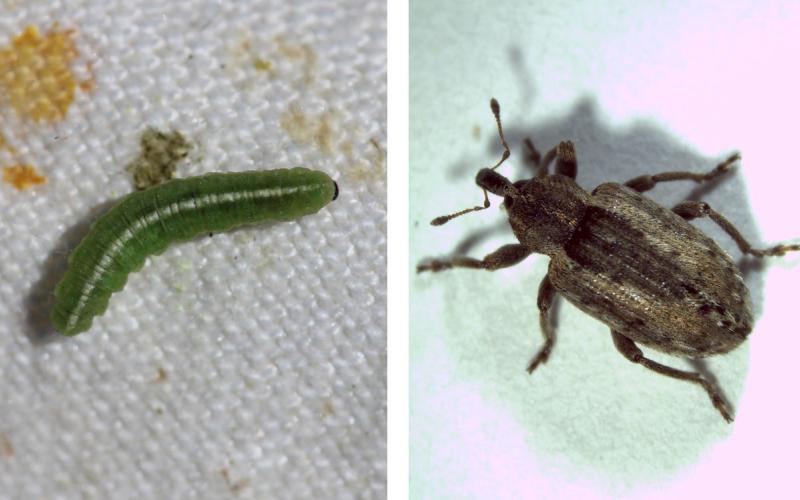
Alfalfa Weevil Activity Prediction Update: May 26, 2022
Throughout the state, all alfalfa fields should be scouted weekly to ensure that large populations of alfalfa weevils do not cause excessive defoliation like what we observed in 2021.
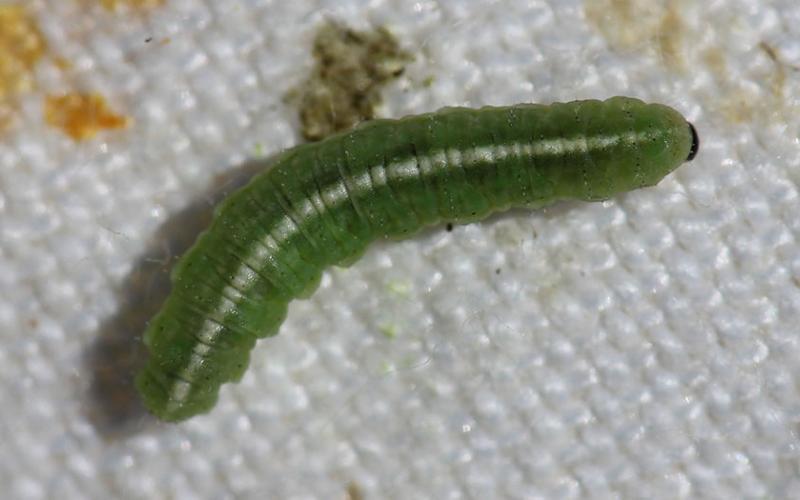
Alfalfa Weevil Larvae Are Active in South Dakota
Alfalfa weevil larvae have been confirmed in alfalfa fields in South Dakota, which means it is time to start scouting fields more regularly. Learn some tips and consideration for scouting your fields.
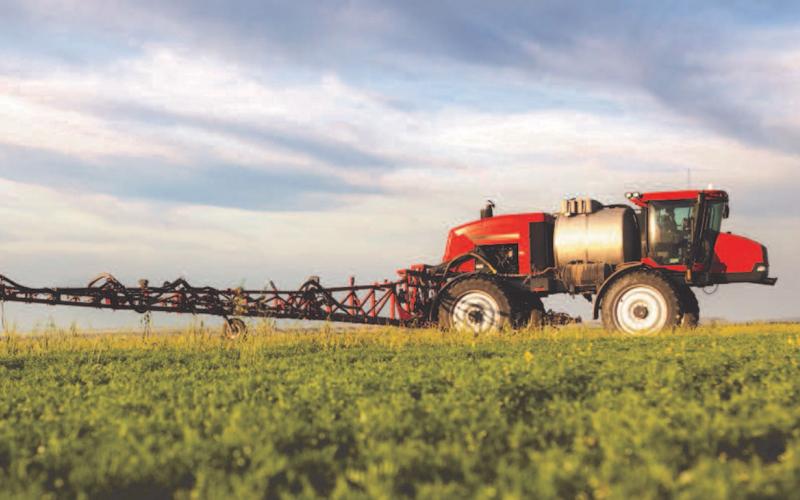
Boom Sprayer Calibration
Fact sheet on calibrating a boom sprayer to minimize damage to plants and reduce environmental impact
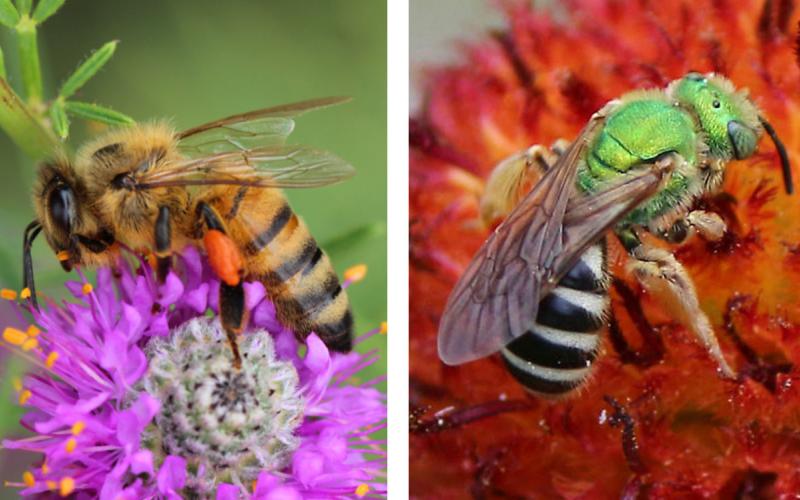
Beneficial Pollinators: Honey Bees and Bicolored Striped-Sweat Bee
With temperatures increasing in South Dakota, expect to see an increase of beneficial pollinators searching for blooming plants. Learn about two important pollinators, the honey bee and the native bicolored striped-sweat bee.
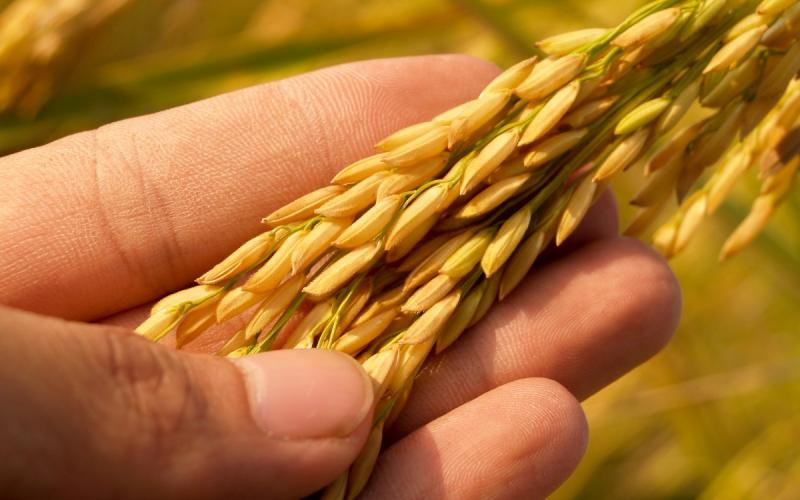
Improving Protein Content in Wheat
Wheat producers in South Dakota always strive to grow a premium product. Quality in wheat often depends on test weight and protein content.
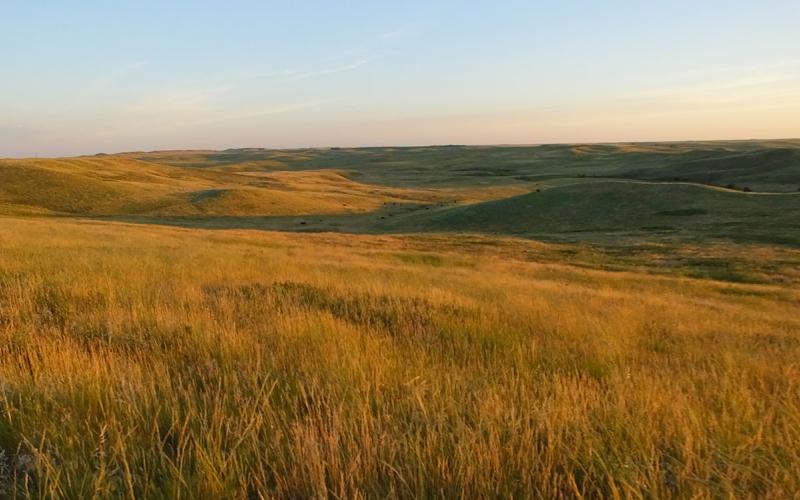
Factors That Influence Plant Development and Growth
Year-to-year variability in climate can result in large swings in annual forage production for livestock producers. Learn some key considerations to observing and mitigating the effects of this variability.
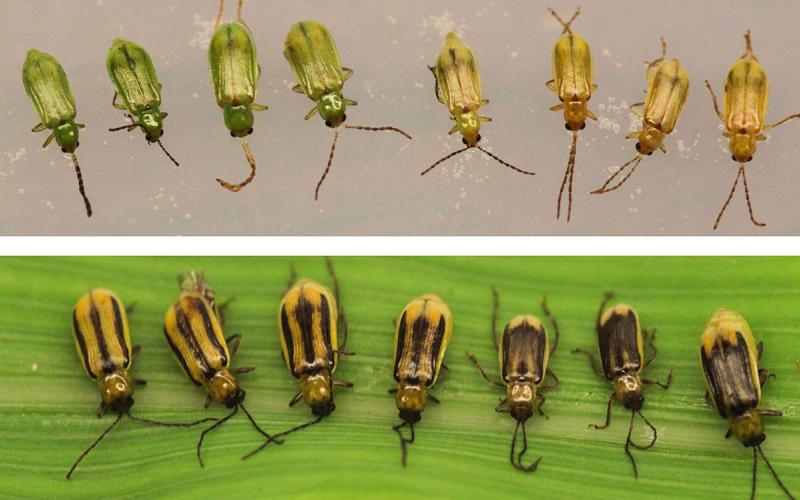
Corn Rootworm Adults Are Emerging in South Dakota
It’s that time of the year when corn rootworms begin emerging in South Dakota. Learn some expert tips for monitoring populations in corn fields to determine if management is necessary.
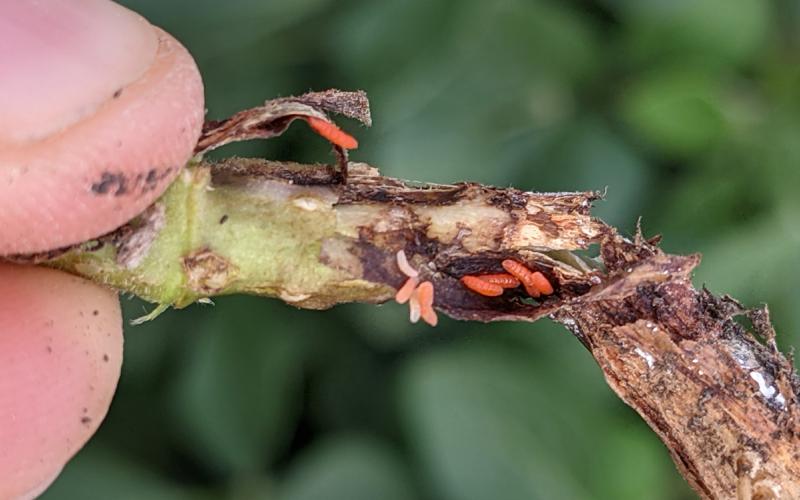
Soybean Gall Midge Larvae Detected This Season
Soybean gall midge larvae have been detected in soybean in southeastern South Dakota. While many infested fields are not showing obvious signs of infestation, there are some key indicators to look out for.
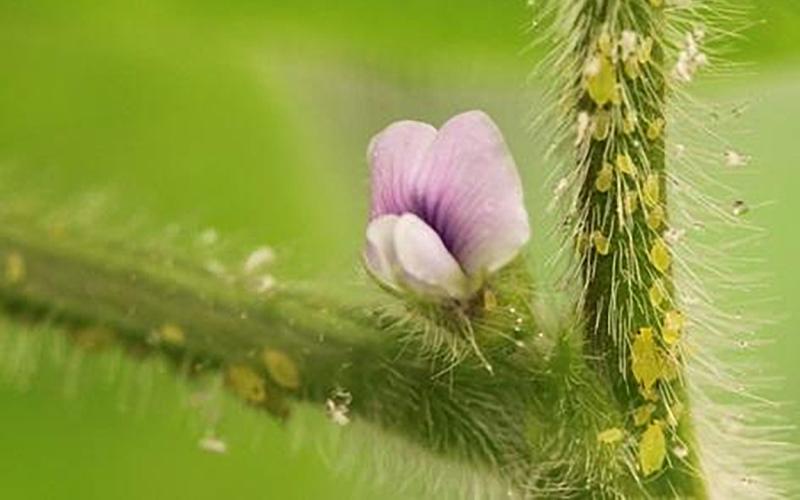
Soybean Aphids Are Active in South Dakota
Small populations of soybean aphids were recently identified while scouting soybean in the Volga and South Shore areas. This is a good reminder that scouting should be ongoing to ensure that populations do not exceed thresholds.