Search

Over-the-Top Dicamba Ruling Explained
On February 6, 2024, the U.S. Environmental Protection Agency was ordered to vacate the registrations for dicamba products registered for over-the-top applications on dicamba-tolerant cotton and soybeans. Learn how the ruling will impact the upcoming growing season and beyond.

Producing Organic Cabbage and Sweet Corn with Cover Crop Integration and Reduced Tillage: Updates from the SDSU Southeast Research Farm
Research on clover cover crops grown in combination with four tillage and weed suppression methods was conducted at the SDSU Southeast Farm. Vegetable crops trialed included sweet corn and three varieties of cabbage.
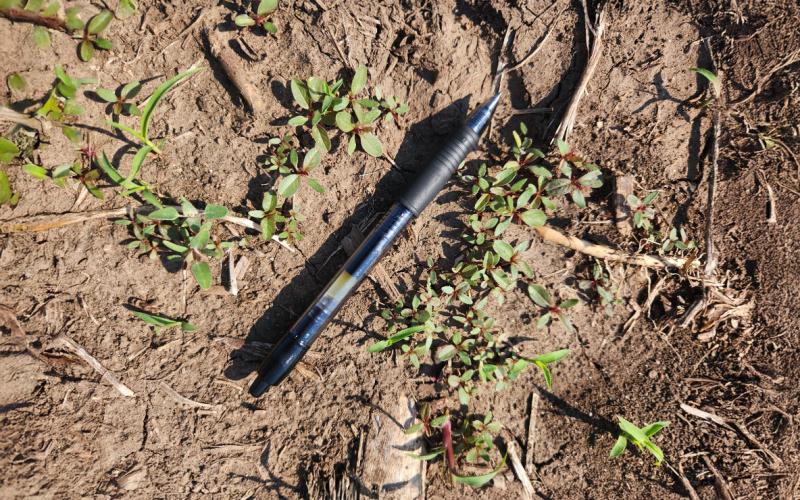
Waterhemp Has Emerged in South Dakota: Time to prepare for post-emergence management
Waterhemp has started to emerge across South Dakota. While waterhemp plants are small now, recent rain events and forecasted warmer air temperatures are ideal for waterhemp growth.
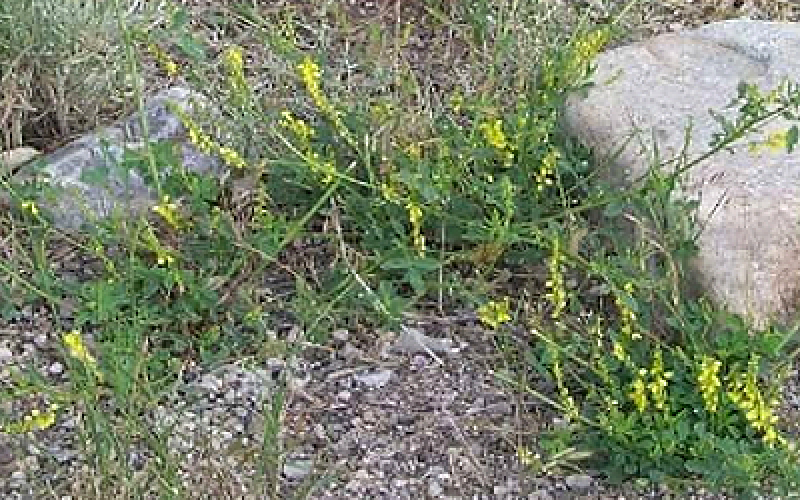
Sweet Clover Poisoning
Hay that contains sweet clover can be an excellent feed as long as the dicoumarol level is known and feeding management is used to prevent poisoning.
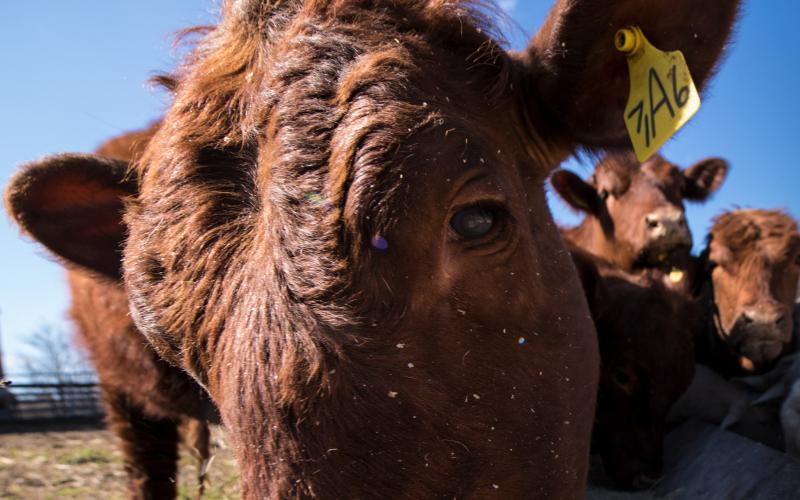
Limited Forage: What Are Some Alternatives?
Research has shown that a variety of feedstuffs can be utilized to meet the cows’ nutrient requirements with similar performance to hay or hay plus supplement ration.
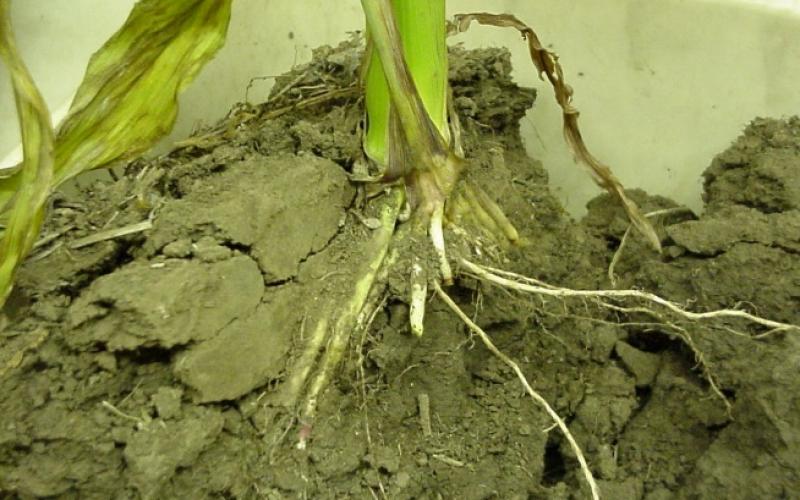
Planting Into Wet Soils
It is evident that there are high chances of planting into wet soils this spring. This is not a good decision when normal soil conditions appear to be attainable, but this year we may not have a choice.
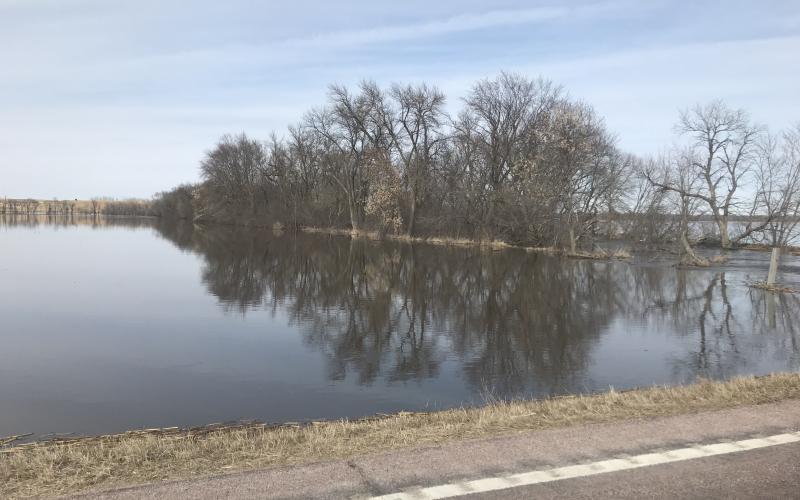
Managing Flooded Alfalfa
As floodwaters rise again in parts of South Dakota, spring planting seems to feel further and further away. One crop that is often overlooked in the hustle and bustle of the approaching planting season is alfalfa.
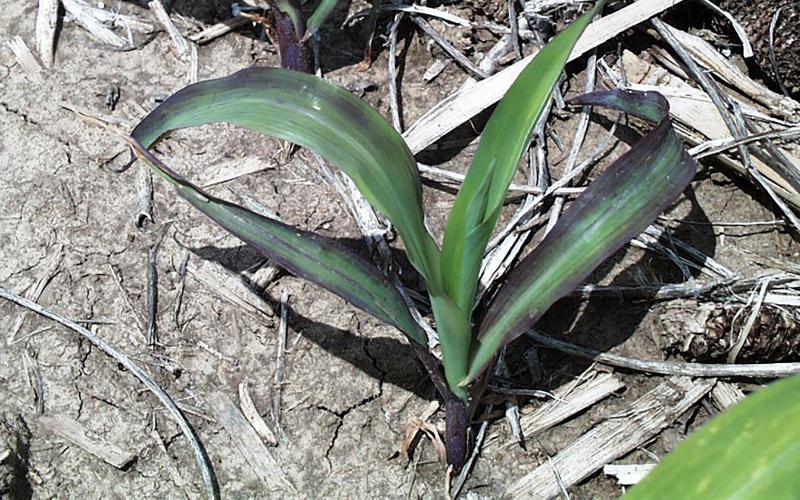
Fallow Syndrome: What is it and how do I deal with it?
Fallow syndrome received its name from the dry plains states, where fields routinely benefited from the additional moisture available after a year where the ground was fallowed. Corn sometimes had symptoms of phosphorus deficiency when grown on this previously fallowed ground, thus it received its current name, “fallow syndrome.”
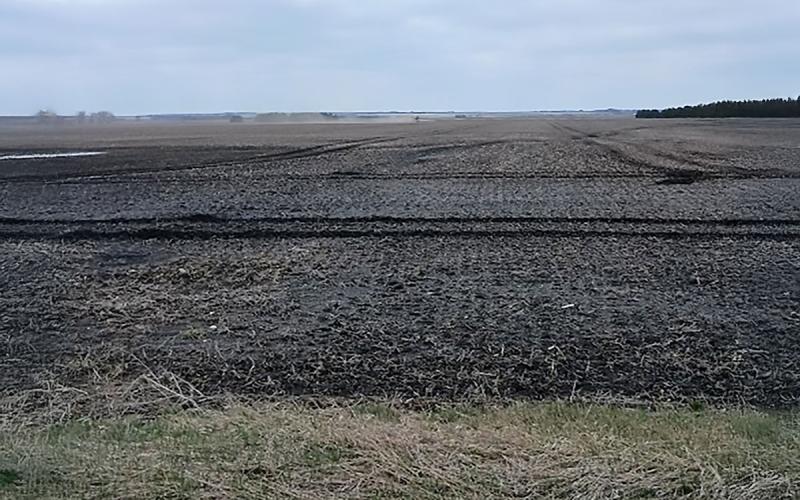
How to Avoid Soil Compaction During Crop Harvest
Soil compaction can degrade soil health and lead to reduced crop yields. Learn some production practices that can implemented during harvest to avoid soil compaction.
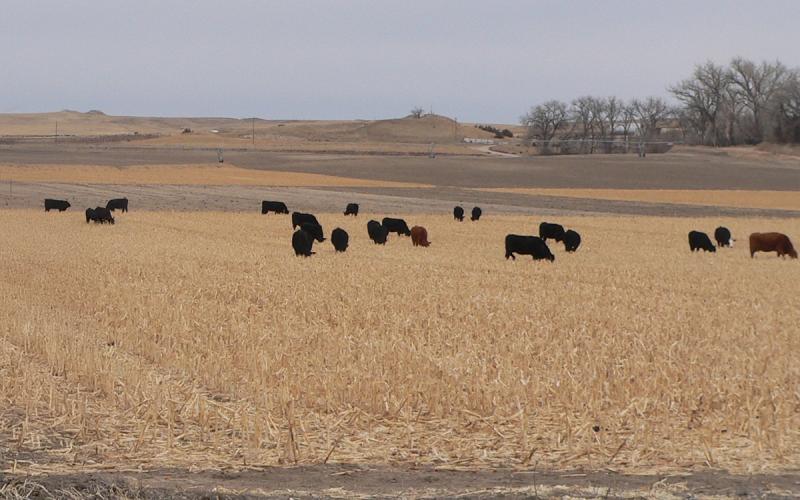
Why Cropland Grazing Now?
The evidence is consistent: cropland grazing delivers measurable economic returns, proven soil health benefits, and growing adoption in South Dakota.