Search
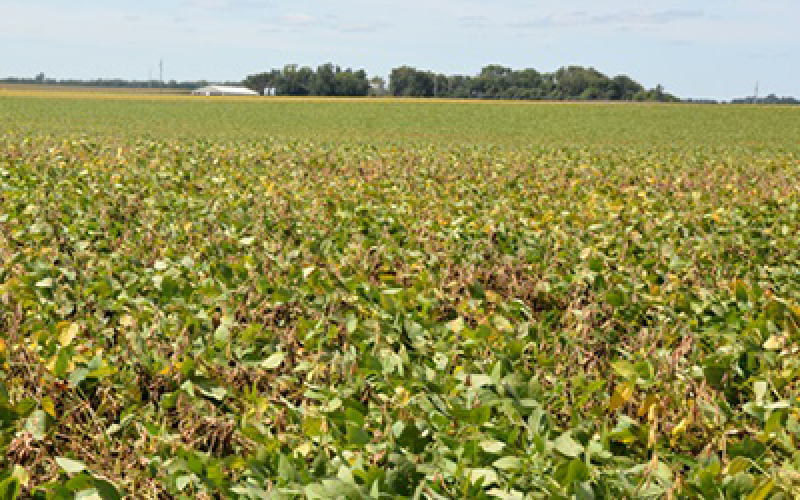
Late-Season Soybean Diseases: Know what’s killing your soybeans
Late-season soybean diseases can sometimes be mistaken for natural senescence. A closer look at the stems and roots of dying plants and the pattern displayed by dead plants in the field may reveal root or stem rots going on. In order to devise effective management practices for future soybean seasons, it is important to determine the cause of early soybean plants death.
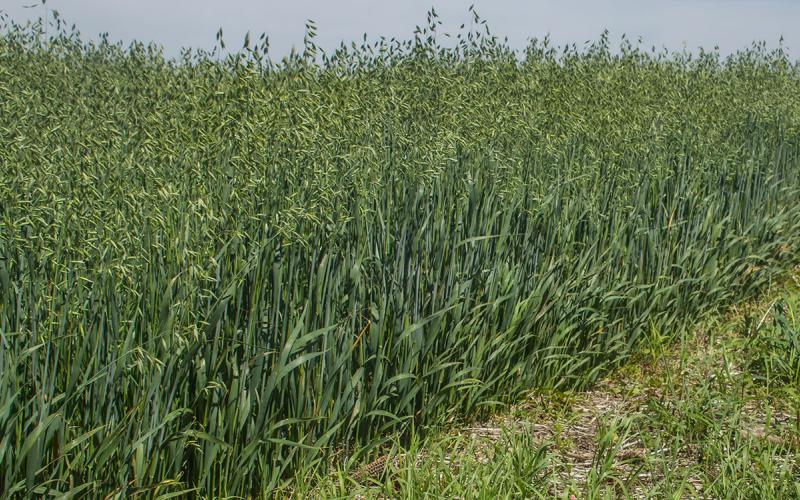
Planting Considerations for Oats in South Dakota
South Dakota is a leading oat producer in the United States. Learn some important oat planting tips, including timing, variety selection, seeding rate and fertilizer management.
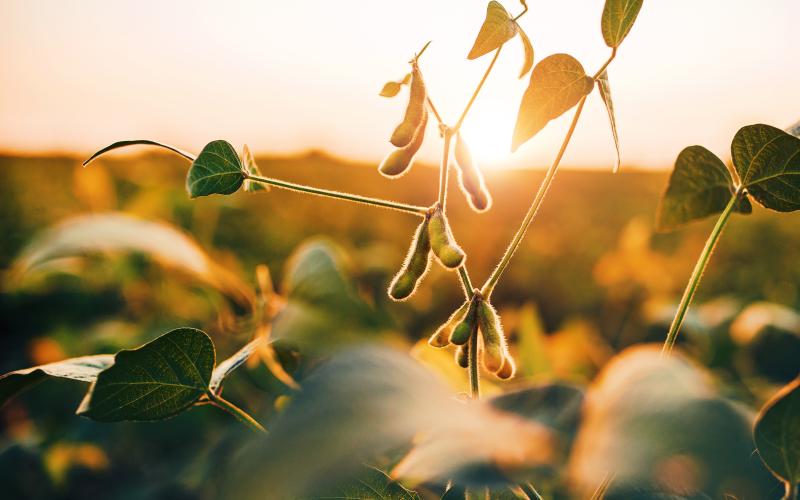
New Multi-State Extension Publication: Managing Insecticide-Resistant Soybean Aphids
The first pyrethroid resistant soybean aphids were reported in Minnesota in 2015. Since then, pyrethroid resistant soybean aphids have been reported in Iowa, North Dakota, and South Dakota. In an effort to address resistance, researchers from those states have put together a new extension publication.
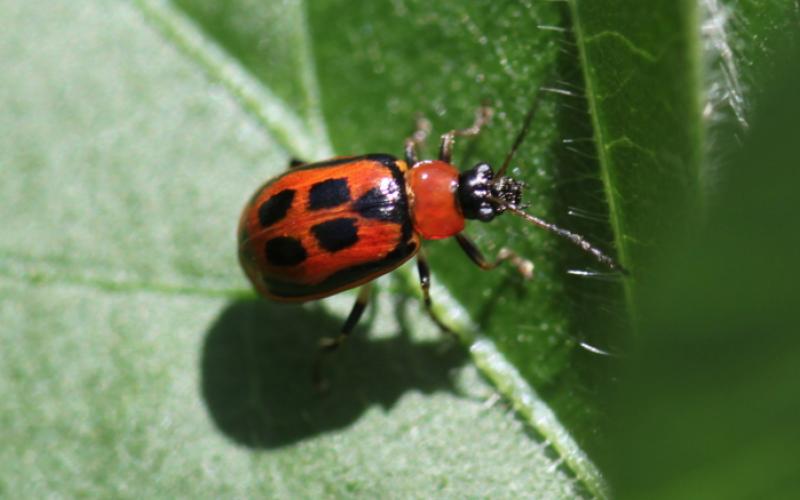
Overwintering S.D. Bean Leaf Beetles: 2017 predicted mortality
The overwintering generation of bean leaf beetle adults emerge in the spring and can cause serious defoliation injury to seedling soybean plants. However, the abundance of overwintering bean leaf beetles is negatively affected when the air temperatures get too cold. Therefore, an estimate of the emerging populations can be made based on how cold the winter was.
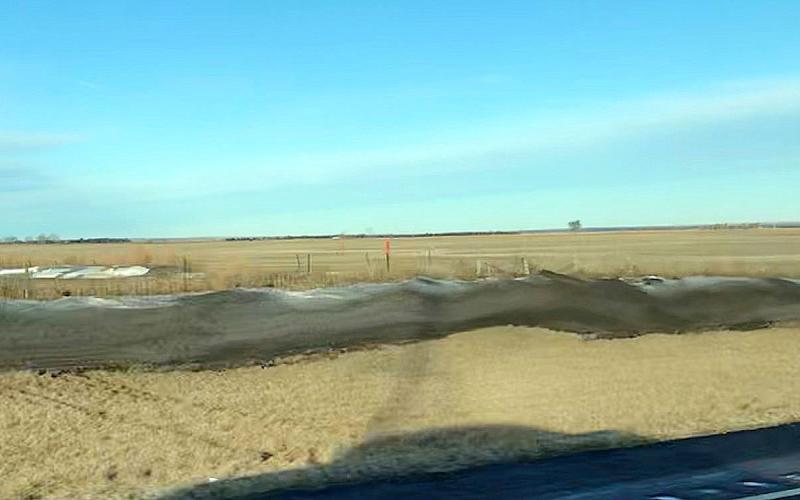
“Snirt” and How To Minimize It
Blowing soils, dust storms and “snirt” (snow with dirt on it) are frequent challenges during dry, windy winters. Learn some soil health principles to limit erosion and minimize snirt on field edges this planting season.
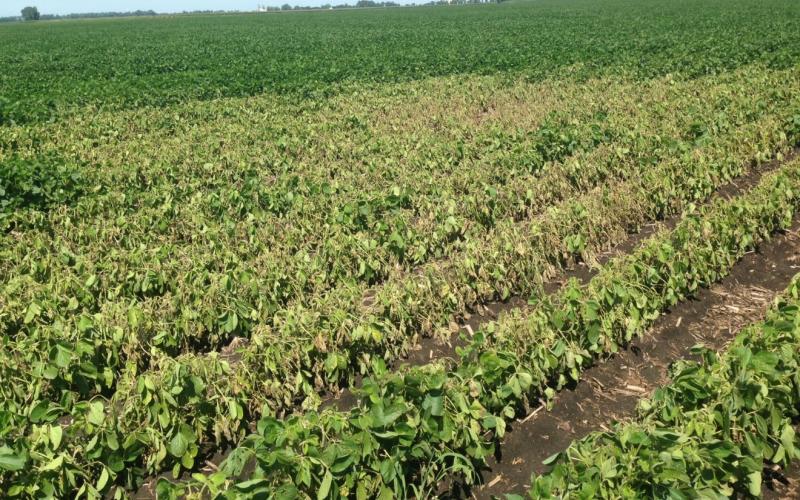
Replanting Considerations
Every season weather events such as hail or flooding can damage or destroy previously planted crops in all or in portions of fields. In May or even early June, many producers will replant these areas. As the end of June approaches, the window for replanting narrows and producers may want to do a more careful evaluation of whether or not to replant.
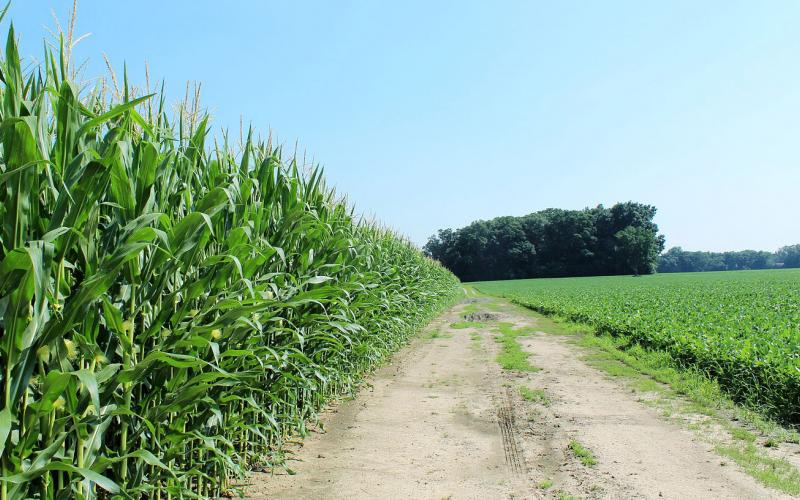
SDSU Research Shows Effects Of Volunteer Corn In Corn And Soybeans
In 2007, researchers at South Dakota State University indicated that volunteer corn is much less competitive in corn than soybean. The South Dakota study (Alms et al. 2007) evaluated the full season effect of a range of volunteer corn densities (800-14,000 plants/acre) on both corn and soybean and reported yield losses that ranged from 0% to 13% in corn and 0% to 54% in soybean.
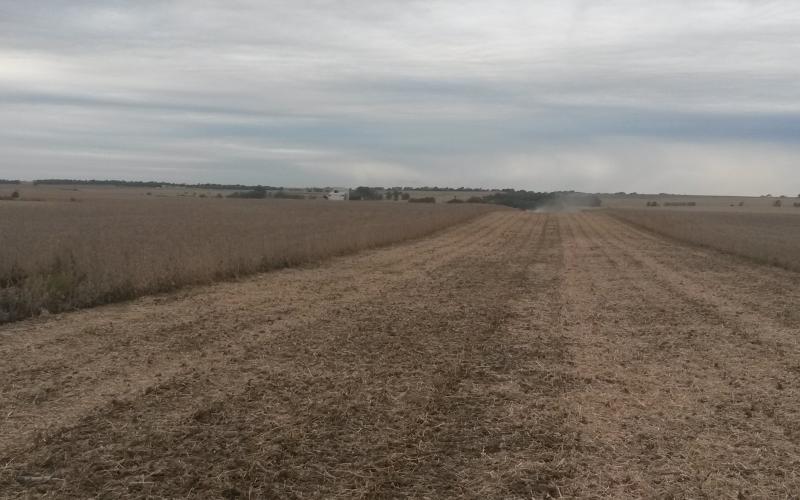
Soybean Investigations: Research on Your Farm Seeks Farmer Cooperators
SDSU Extension and the South Dakota Soybean Research and Promotion Council are seeking South Dakota Soybean Growers willing to participate in a farmer-led on-farm strip trial research program.
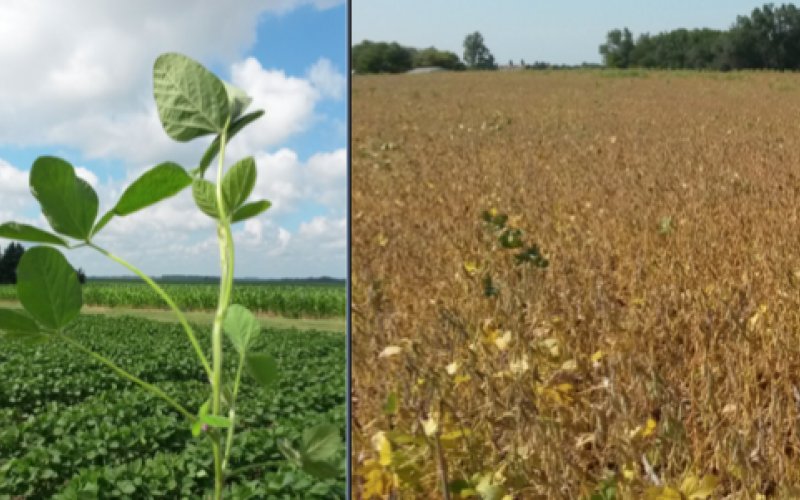
Soybean Physiology: Reproductive Stages
As soybean fields in the region are rapidly heading towards maturity, we will discuss soybean reproductive stages in this article.
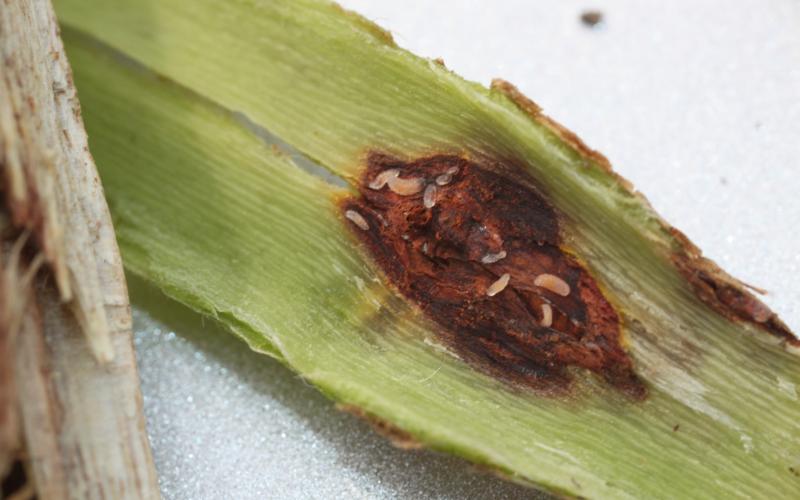
Small red maggots under your soybean plants’ epidermis? We have answers.
In 2015, we received plant samples of soybean that had small red maggots under the epidermis. Now, in 2017, we are starting to receive reports of these same insects being found under the epidermis of soybean in different parts of South Dakota.