Search
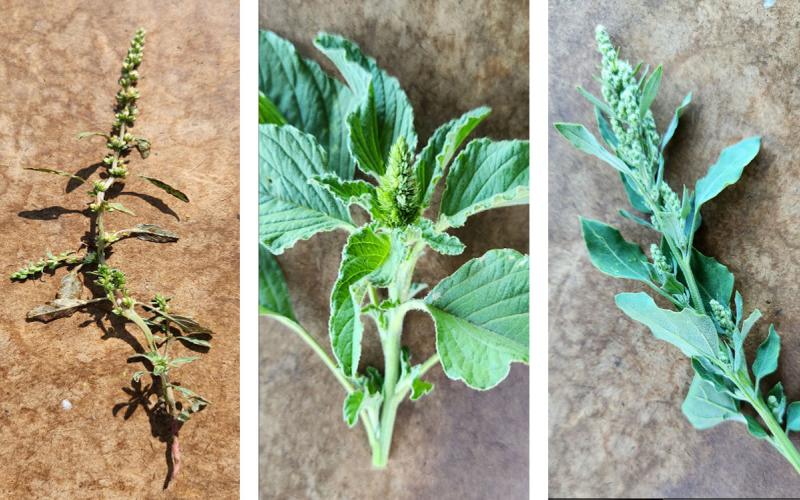
Weeds Have Started to Flower!
Early-flowering waterhemp, redroot pigweed, and common lambsquarters show the importance of early weed control, as they can produce seeds before a delayed postemergence herbicide application.
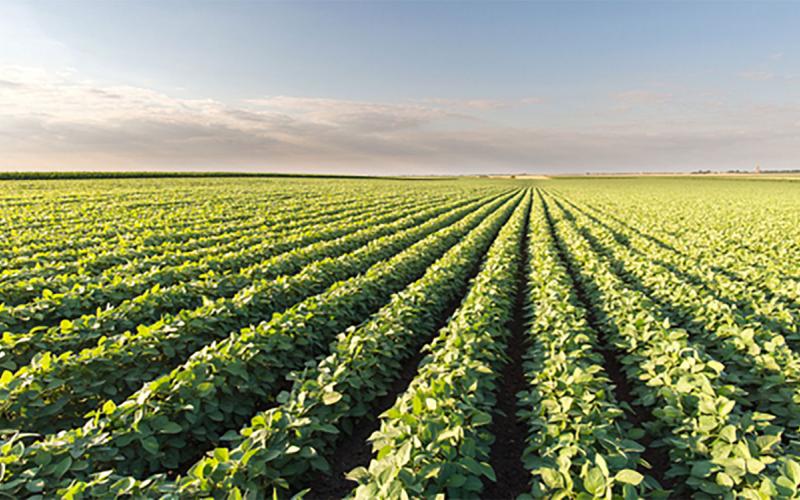
Dicamba Cannot Be Applied Postemergence in Dicamba-Tolerant Soybeans After June 20. Now What?
While you may have purchased dicamba to use in soybeans, applying it past the deadline is illegal. Learn about some other viable postemergence herbicide options for soybeans now that the deadline has passed.
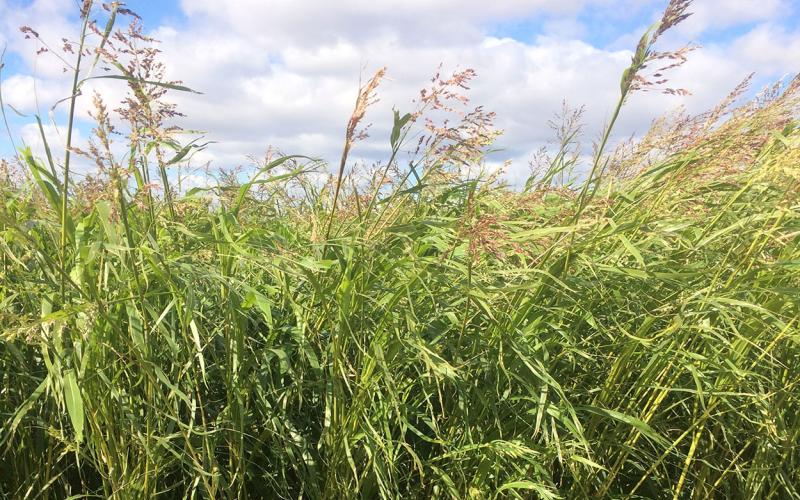
Alternative Forage Options During Dry Times
Although there are many factors to take into consideration, annual forages and cover crops can be an excellent tool to boost forage production, reduce fallow acres, and enhance soil health.

Grasshoppers Continue to Be an Issue During 2023
We have received numerous reports of very large populations of grasshopper nymphs in June. Before management action is taken, it is important to determine what stage observed grasshoppers are at.
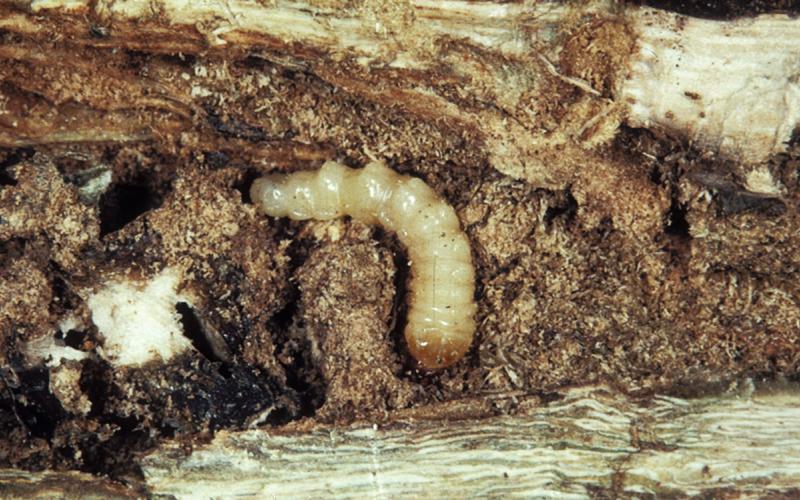
Dectes Stem Borer Observed in Soybean
We have received an increased number of Dectes stem borer reports in South Dakota soybean, and we are currently scouting to determine which counties have the highest risk for Dectes stem borer issues.
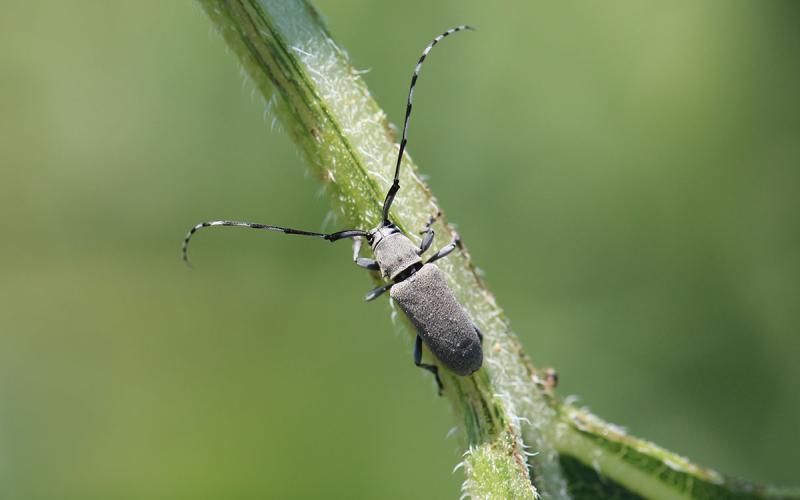
Will Dectes Stem Borer Be a Problem for Sunflowers in 2023?
Dectes stem borer are a major topic for sunflower management in South Dakota every year. If drought conditions persist, this pest may cause problems in sunflower if left unadressed.
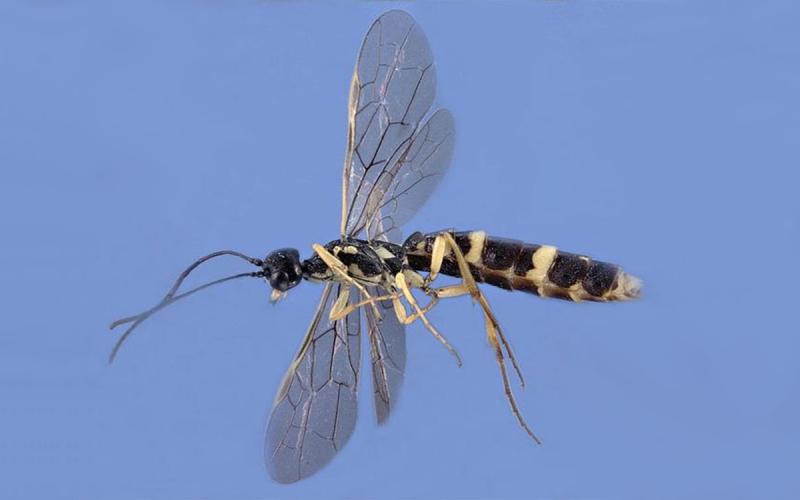
Wheat Stem Sawfly Adults Observed in Northwestern South Dakota
Wheat stem sawfly adults have been captured in northwestern South Dakota. The observation of this pest can be used to determine areas where solid-stem wheat varieties should be considered.
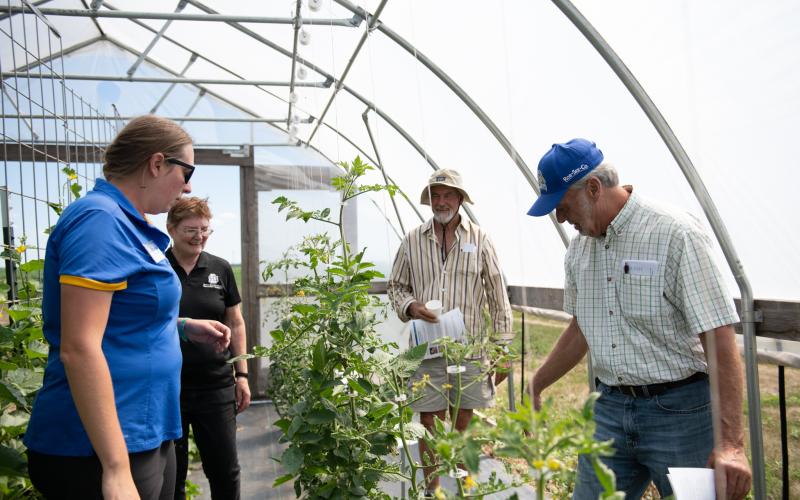
The South Dakota State University Southeast Research Farm to host Field Day on July 11
June 30, 2023
The South Dakota State University Southeast Research Farm Field Day will be held on July 11 near Beresford, South Dakota.
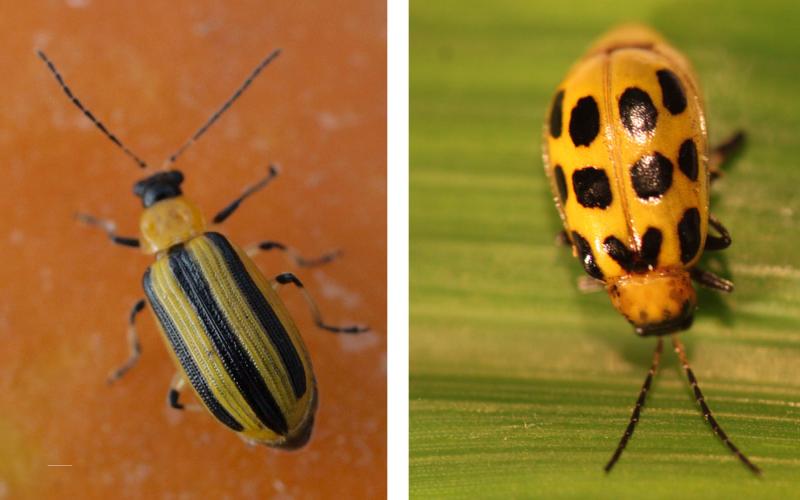
Striped Cucumber Beetles Are Active in South Dakota
South Dakota is home to two species of cucumber beetles that can cause severe injury to cucurbits, including squash, cucumbers, melons and pumpkins. Learn how to detect and manage both beetles before they impact your harvest.
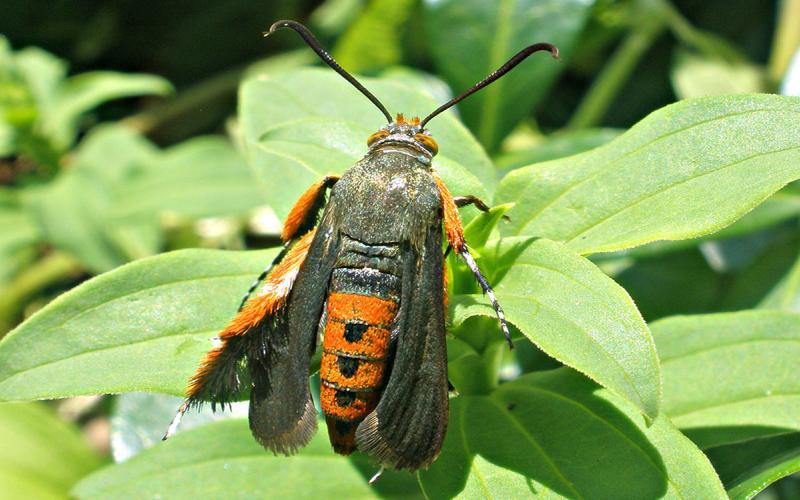
Squash Vine Borer Activity Estimate: June 21, 2023
Squash vine borer moths will soon emerge across much of South Dakota, and their larva can cause serious damage to squash plants. See our latest activity predictions and management recommendations based on forecasted conditions from around the state.