Search
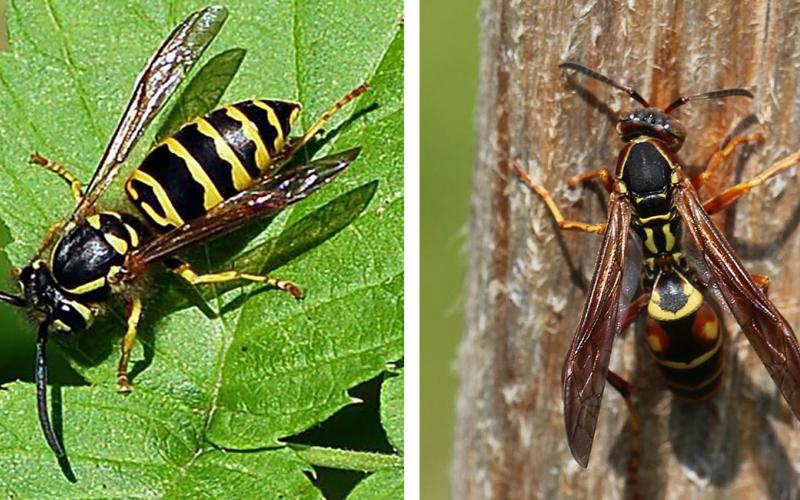
Wasp Activity Is Ramping Up
With their distinctive black and yellow stripes and tendency to hang out in groups, wasps receive attention no matter the time of year. As the weather warms up and spring progresses, you may notice more wasp activity in your yard or around your house.
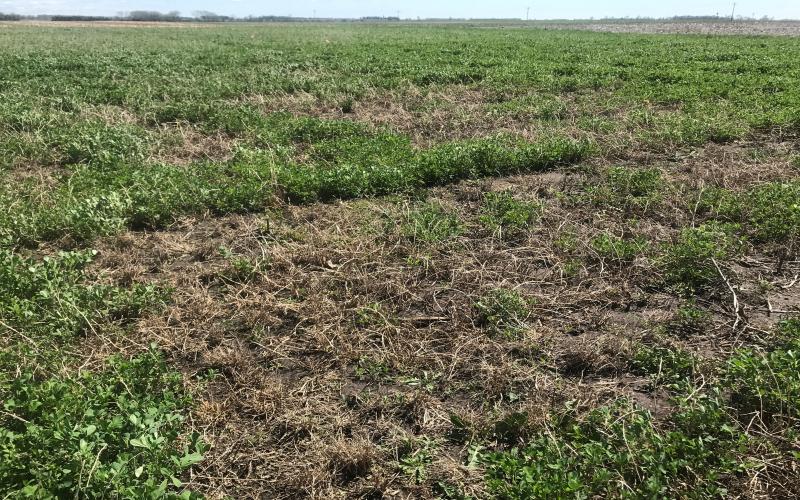
Dealing With Alfalfa Winter Kill
Winter kill and general stand loss of alfalfa has specifically been of concern in many parts of South Dakota the last two years. Most observed alfalfa winter kill is due to low, wet or flooded areas where plants were suffocated and died over the winter.
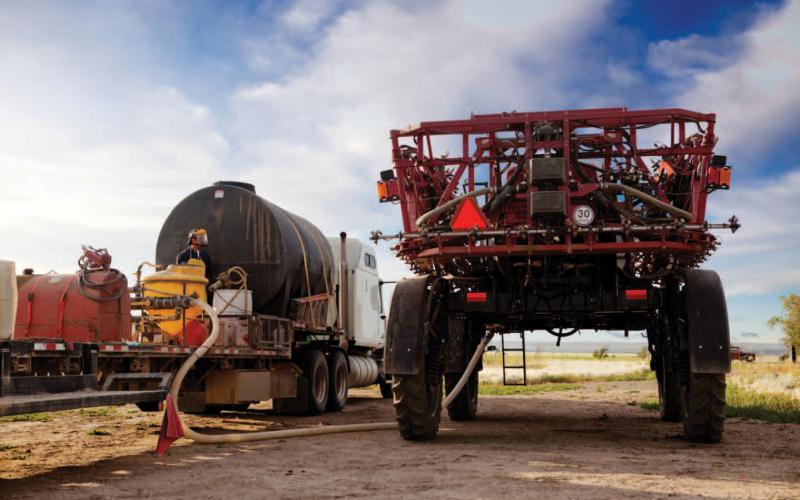
Preparing Spray Solutions: Mixing Order
Before mixing any pesticide always check the pesticide label for instructions on compatibility of two or more pesticides. Some herbicides and carriers require a compatibility agent, some are not compatible with a compatibility agent.
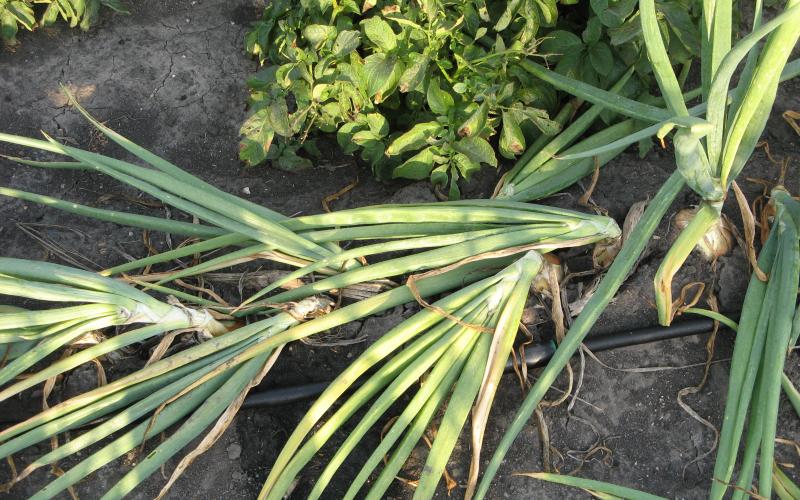
Growing Onions
Onions have been a commonly grown vegetable for thousands of years. They are easy to grow, nutritious and can be stored for months until they are needed as part of a meal. There are many different kinds of edible members of the Allium genus but bulbing onions are the most commonly grown.
Temperature and Herbicide Performance
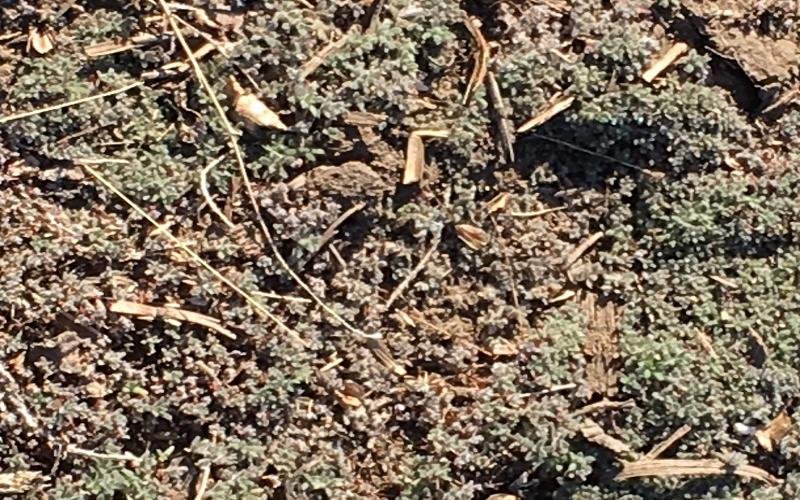
In South Dakota, the spring can come with a wide range of temperature fluctuations. This will affect the performance of burndown herbicides. Depending upon the target weed, type of herbicide and application rate, there will likely be decreased weed control in cooler temperatures.

Carrots: How to Grow It
Carrot is a hardy, cool-season vegetable. Carrots are eaten both raw and cooked and they can be stored for winter use.
Preventing an Unwanted Baler Fire
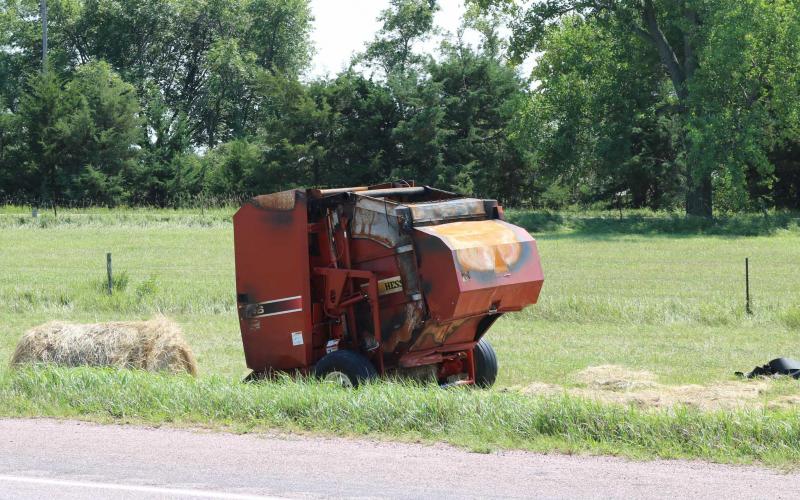
Forage harvesting for hay will soon be upon us, and we need to take the time to prepare our equipment and ourselves for a safe and successful forage harvest when utilizing a baler.
Low Temperature Damage to Corn and Soybean
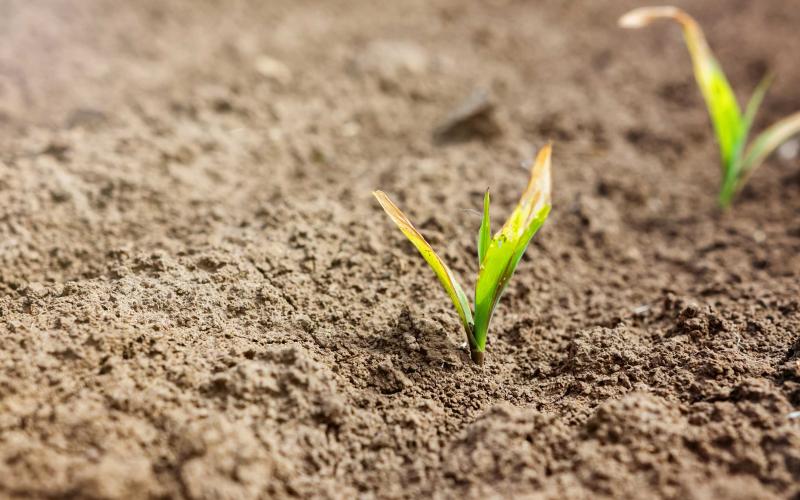
Temperatures are forecast to reach 32°F or lower in large areas of South Dakota for several nights beginning on May 7, 2020. While a relatively low percentage of planted crops are likely to be emerged at this point in time, producers may still want to evaluate individual fields for crop damage.
Wheat Streak Mosaic Disease Developing in Winter Wheat
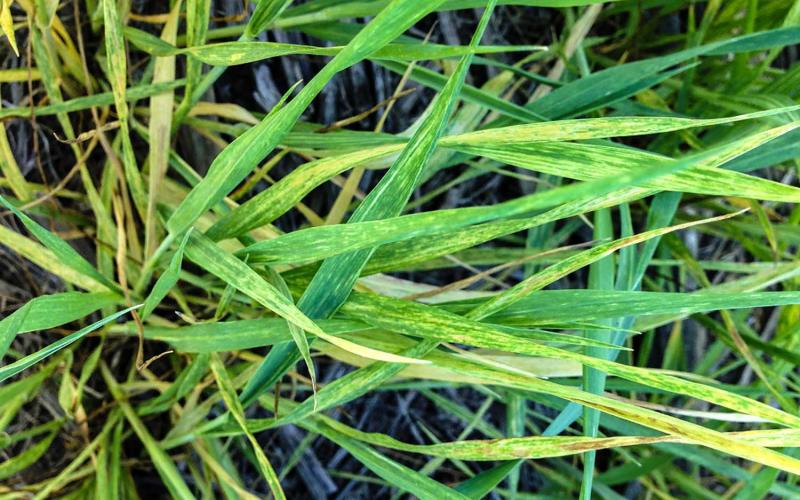
Although the majority of winter wheat in the state is rated good to excellent in the recent USDA-NASS report, a few winter wheat fields in Central South Dakota have been diagnosed with wheat streak mosaic disease (WSMD) caused by wheat streak mosaic virus (WSMV).
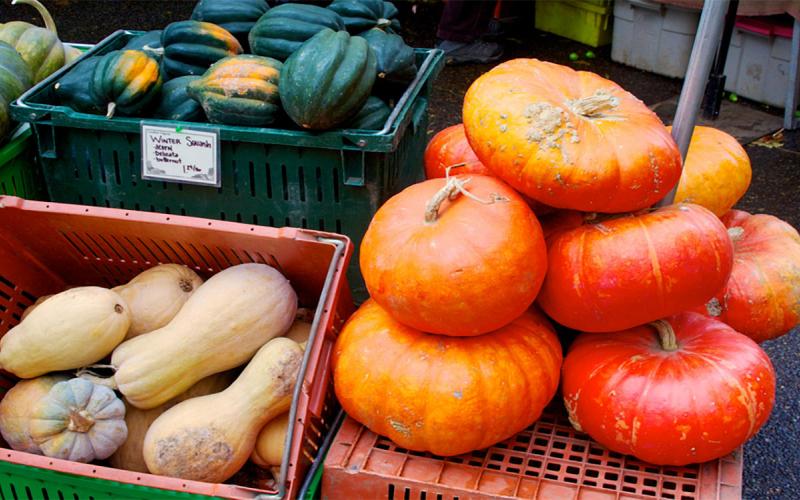
Harvesting and Storing Pumpkins and Winter Squash
The gardening season will soon come to an end, but we can still enjoy pumpkins and winter squash well into the winter months if we take some extra care during the harvest and storage process.