Search
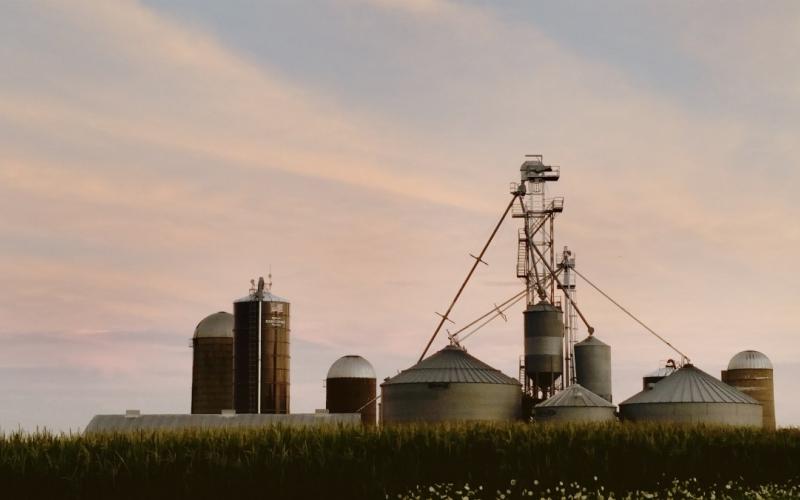
Corn Grain Moisture Discount: Why and How Much?
Corn marketed at the standard moisture content of 15.5% and 56 pounds per bushel typically contains 47.3 pounds of dry matter and 8.7 pounds of water. At harvest, a producer has to decide whether to sell (or even store) his corn at ‘as is’ moisture content or mechanically dry it before taking it to the buyer.
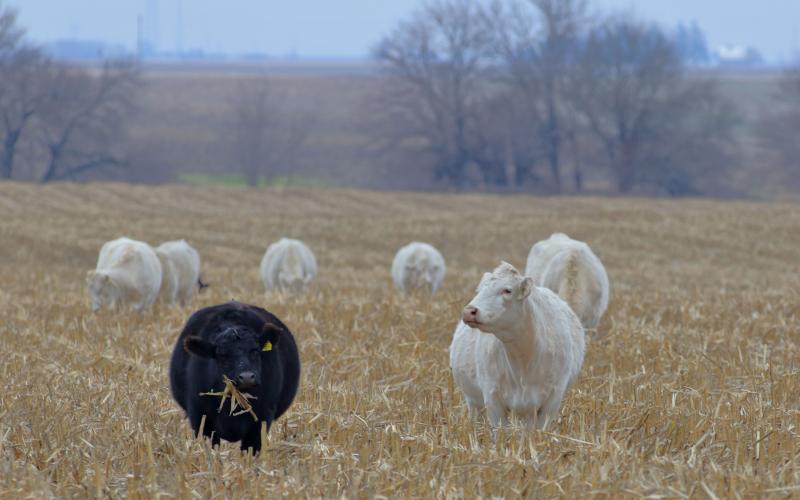
Farm Practices That Improve Soil Health: Integrated Crop-Livestock Systems
An integrated crop-livestock system can provide an alternative management strategy that benefits producer’s income, soil health, and the environment—all while increasing production.
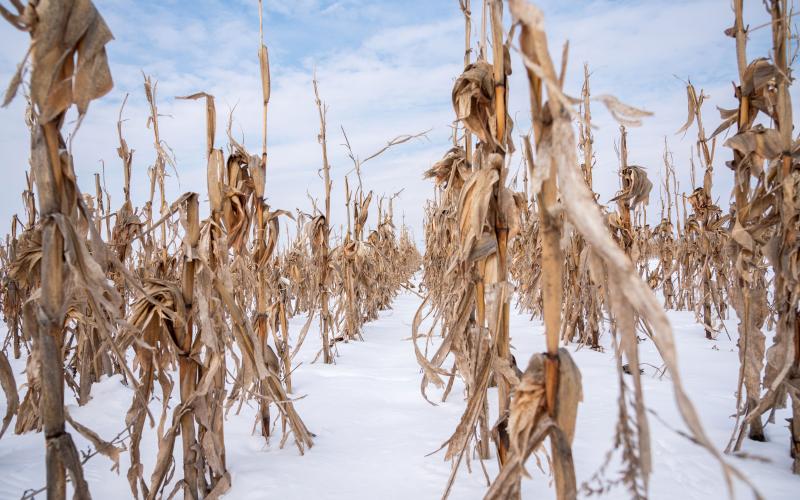
Standing Corn Considerations
The January 2020 South Dakota Crop Progress Report indicated four percent of S.D. corn acres remain in the field. Given the record rainfall of 2019, current snow pack levels and the 3-to-6-month precipitation forecasts, farmers will likely be dealing with a wet spring in 2020, thus making the removal of those acres important but hard to accomplish.
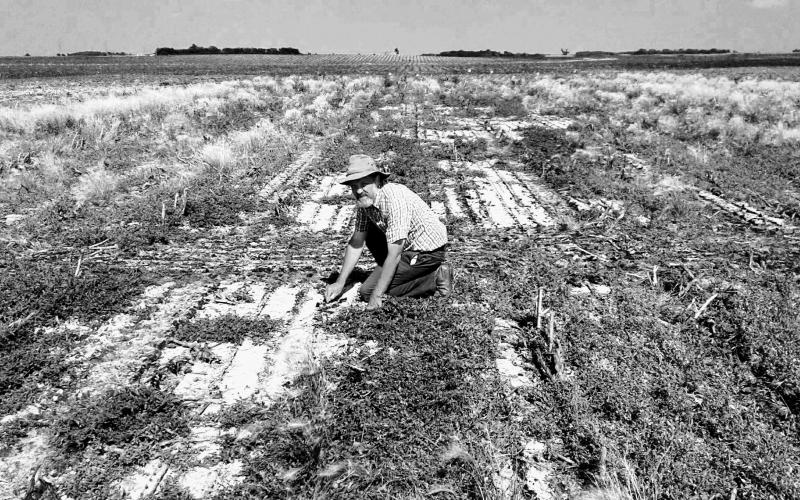
Perennial Solutions for Alkali Areas
Reclaiming marginal lands, especially those considered saline or sodic can be very challenging and may take many years to accomplish. The key to turning around salt or alkali areas in your fields, begins with getting a living root established in the affected area.
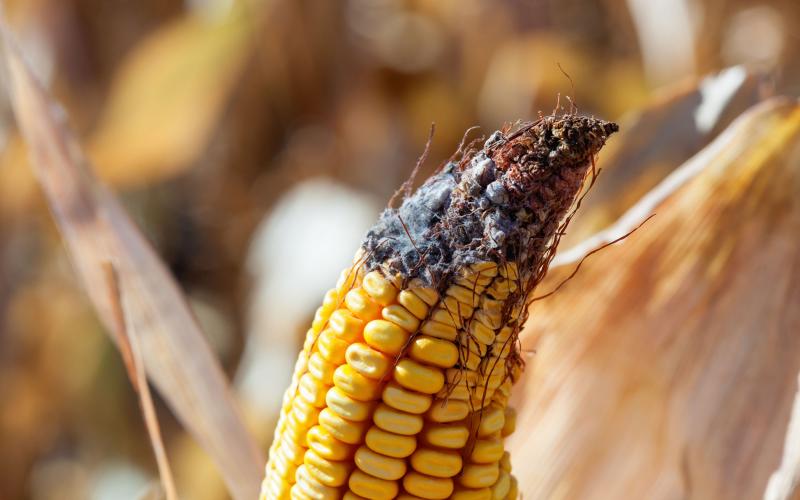
Can Livestock Utilize Moldy Grain?
While livestock producers know that moldy grain and forage are not ideal feedstuffs, they also know that stored feed occasionally contains a small amount of visible mold, and that their animals consume it with no obvious adverse effects. The question arises, how much mold is too much for a feed to be unsuitable for animals?
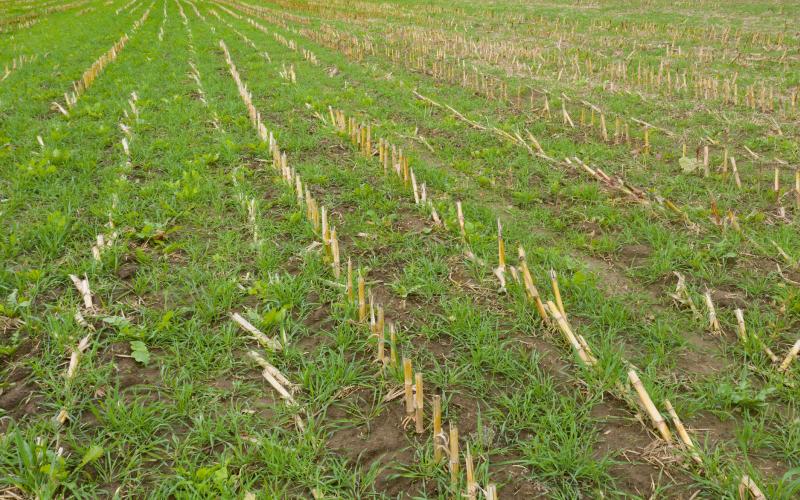
Utilizing Cover Crops for Grazing: An Assessment on Economic Benefits
Grazing cover crops by cattle provides an option to offset cover crop seed costs and increase farm revenue. To facilitate farmers’ decision making, this article will evaluate the economic profitability from grazing cattle on cover crops using a partial budgeting approach.
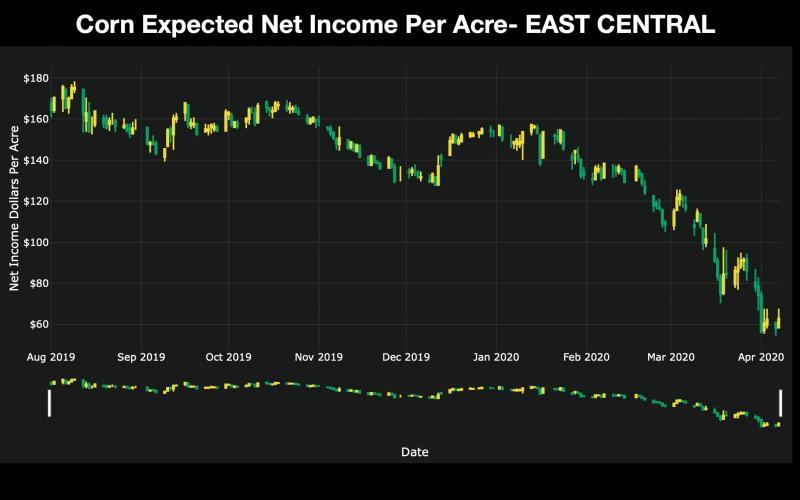
South Dakota Grain Net Income Tool
South Dakota producers can use the SDSU Extension Net Income Tool to monitor their expected net income per acre given their location, commodity of interest, and changes to market prices. The tool gathers the most-recent end-of-day market prices to determine the latest expected net income for wheat, corn, and soybeans in the different regions of the state.

2020 Planting Decisions
Planting decisions for this spring are complicated given the recent spread of COVID-19. A very busy planting season is approaching quickly. Input suppliers and farmers will be met with a requirement to complete tasks timely to evade economic losses from delays.
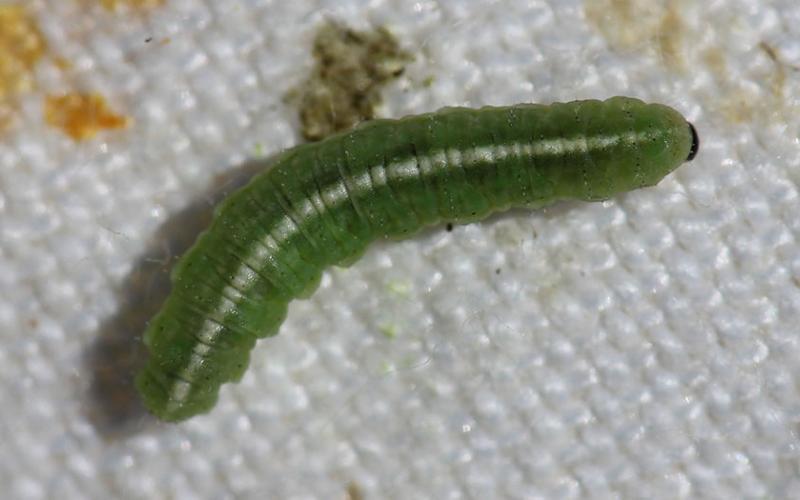
Alfalfa Weevil Activity Prediction Update: April 14, 2020
The alfalfa weevil is a major spring insect pest of South Dakota alfalfa. Before 2018, this insect was reported as having large populations throughout much of South Dakota. However, during 2018 and 2019, we received fewer reports of alfalfa weevils, which may have been a result of the cooler and wetter spring conditions that were observed.
Alfalfa Weevil Activity Prediction Update: April 20, 2020
During the last week, the colder weather that we experienced across South Dakota resulted in very little degree day accumulation. However, in some areas enough degree days have accumulated to potentially lead to adult activity within alfalfa fields.