Search
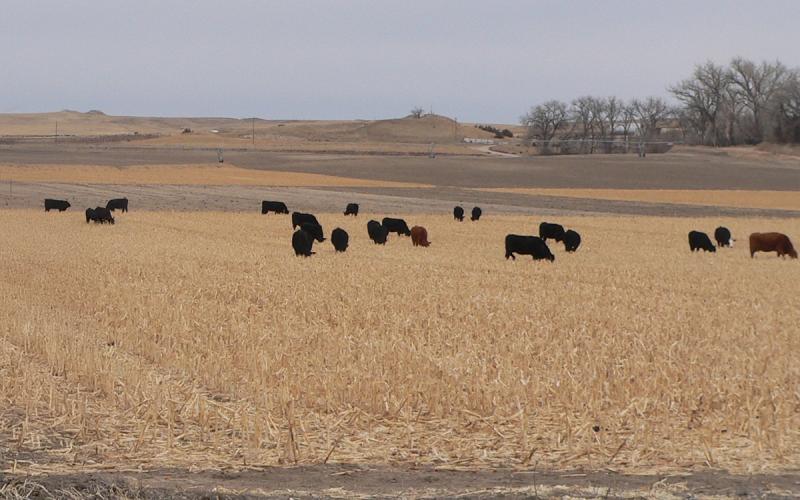
Why Cropland Grazing Now?
The evidence is consistent: cropland grazing delivers measurable economic returns, proven soil health benefits, and growing adoption in South Dakota.
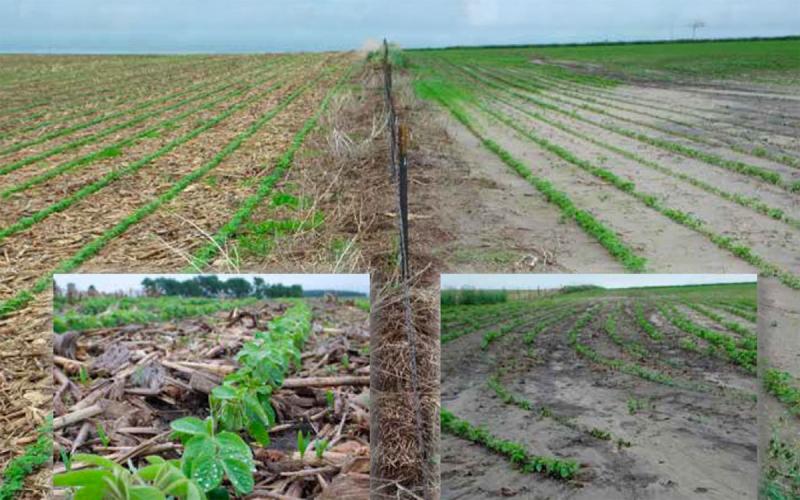
SDSU Extension to host soil health meeting in Freeman
November 12, 2025
South Dakota State University Extension will host a Managing Soil: Maximizing Profit meeting on Dec. 9, 2025.
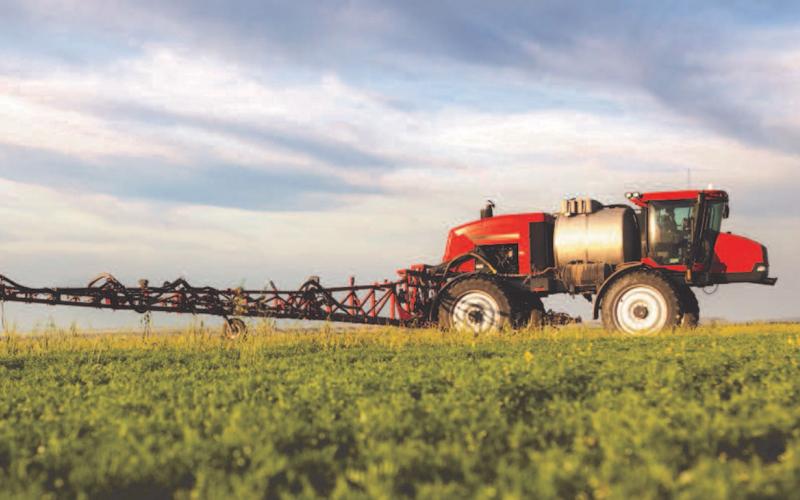
Commercial Applicator Training for Pesticides
Those who apply pesticides for hire or as a government employee that applies pesticides while performing work duties, must have a commercial applicator license.
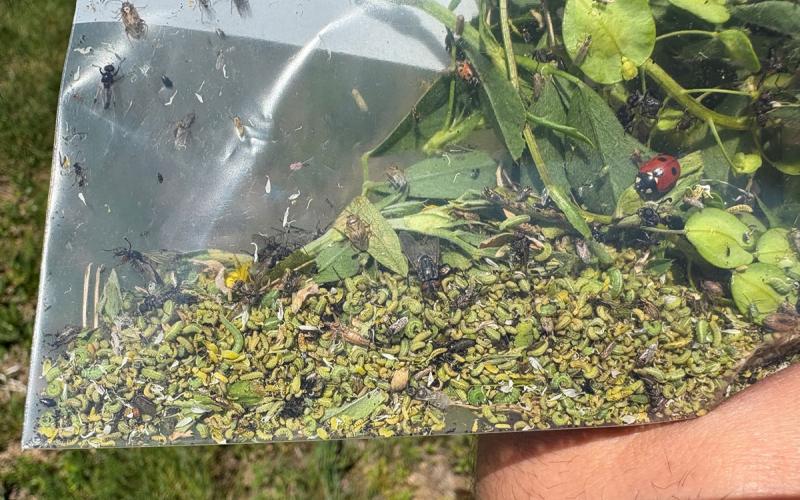
Learn about alfalfa weevil at Northern Plains Forage Association annual meeting
November 17, 2025
South Dakota State University Extension encourages producers to attend the Northern Plains Forage Association annual meeting and seminars, which will feature forage-related education and research.
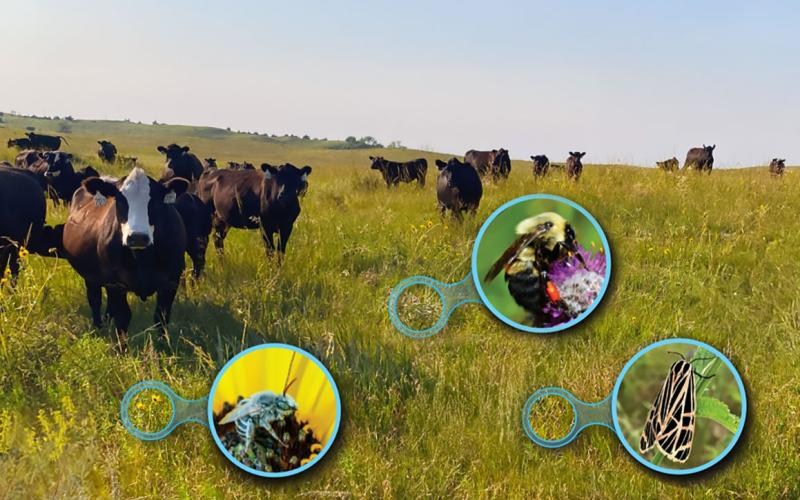
Rangeland Wildflowers: Their Value to Livestock and Pollinators
Native wildflowers and shrubs are critical to providing a wide array of services that increase the resiliency of rangelands, provide pollinator habitat, and contribute to livestock nutrition.
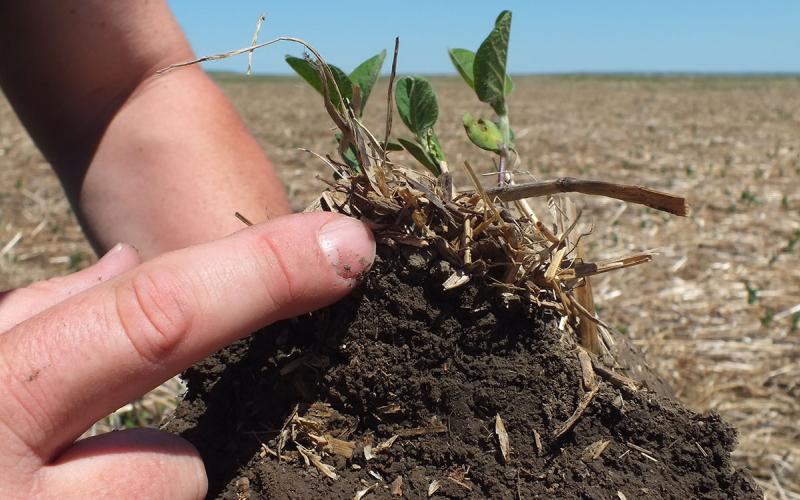
SDSU Extension Crop Hour 2026 webinars start in January
November 24, 2025
South Dakota State University Extension’s Crop Hour webinar series for 2026 will return in January.
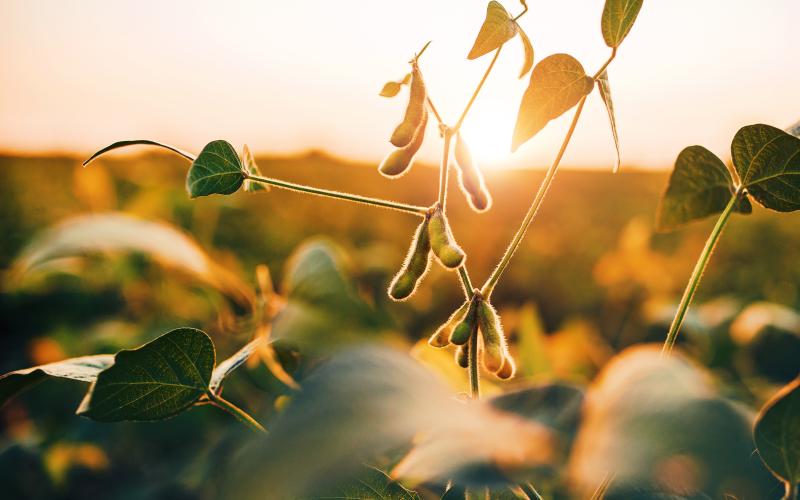
Soybean
SDSU Extension is your partner to increase yields and improve efficiency.

Cover Crops
The benefits of planting cover crops are numerous.
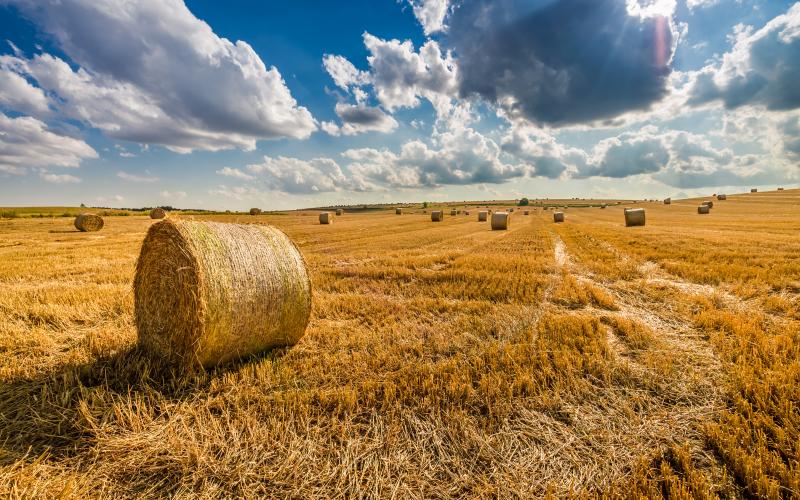
Forage
SDSU Extension works with forage producers, providing them with access to quick tests, research-based information, and best management practices to help maximize yields and nutritional quality of forages.
Corn
Nearly one out of every three dollars generated by South Dakota agriculture starts in a corn field. Two of every three rows of corn become ethanol.