Search
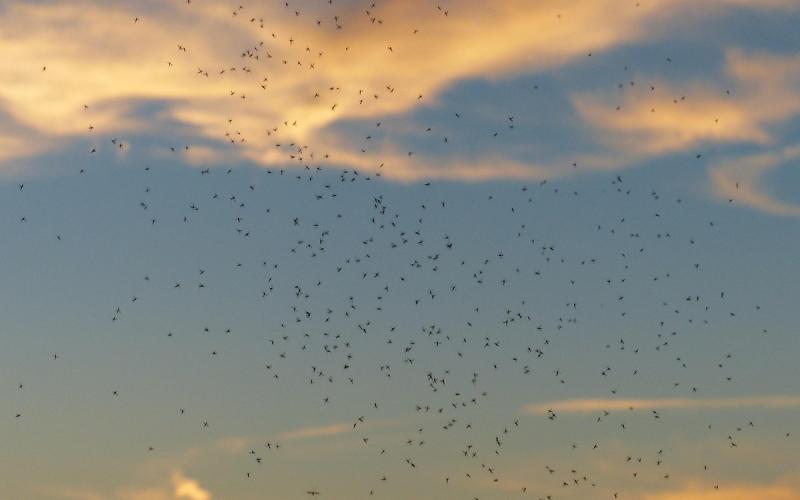
West Nile Virus Update: September 26, 2025
As of September 26, 2025, the South Dakota Department of Health (SD DOH) reported 74 human cases of West Nile Virus from Aurora, Beadle, Bon Homme, Brookings, Brown, Charles Mix, Clay, Codington, Corson, Douglas, Grant, Gregory, Haakon, Hamlin, Hand, Hughes, Hutchison, Hyde, Lawrence, Lincoln, Marshall, Meade, Miner, Minnehaha, Pennington, Roberts, Sanborn, Spink, Stanley, Union, Walworth, and Yankton counties.
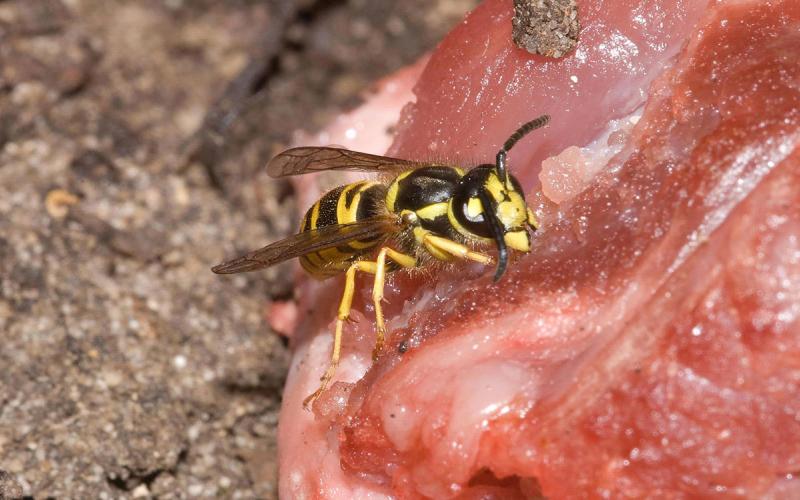
Yellowjackets: Swarming decaying produce or garbage near you
Fall is here, and if you have a garden, fruit trees, or outdoor dumpsters, you are likely to encounter yellowjackets in search of food. Learn some expert tips to avoid getting stung this fall.
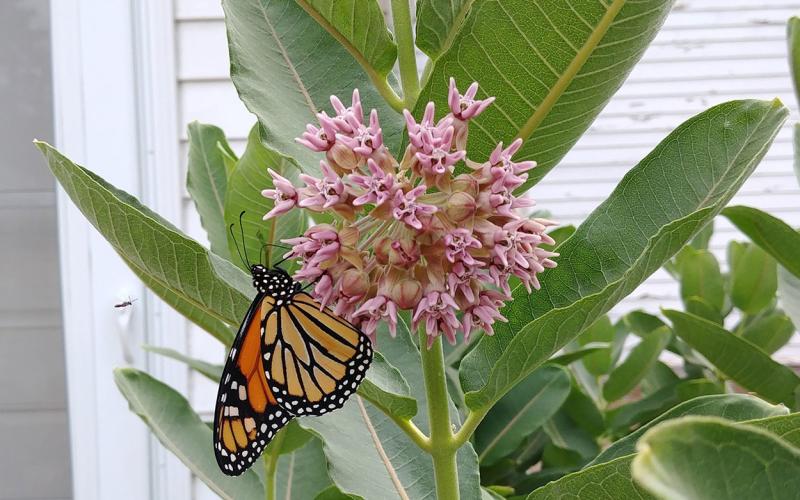
Investigate Pollinators
Lesson about the importance of pollinators and the plants they interact with.
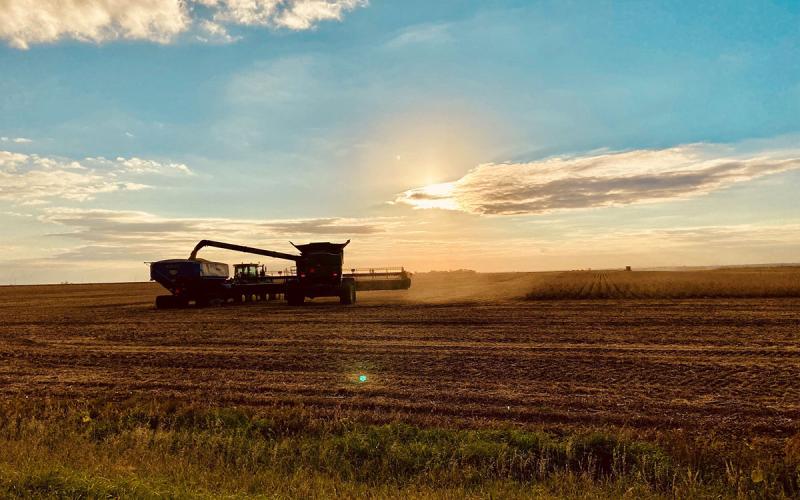
Managing Farm Stress During Harvest Season
With unpredictable weather and market prices, harvest season can feel like a whirlwind with incredible pressure. Learn some expert tips for recognizing and managing stress during this critical time of the year for farm families.
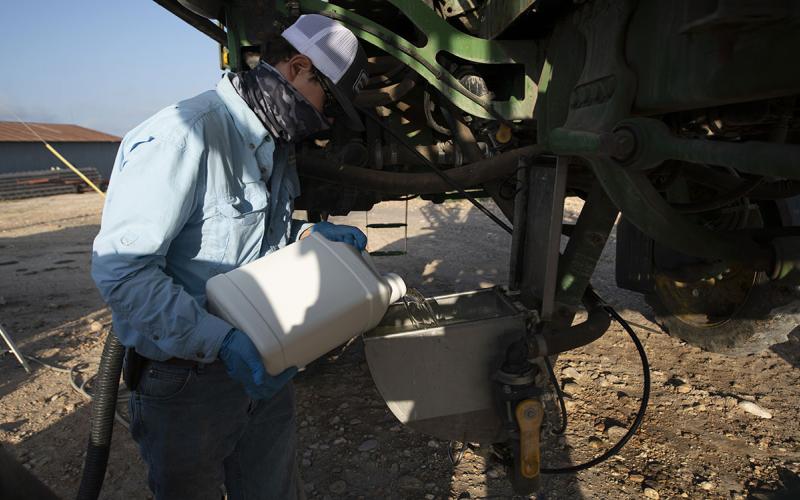
SDSU Extension to host training for DOT pest control applicators
October 08, 2025
South Dakota State University Extension will host two recertification trainings in October for two categories of pesticide applicators.
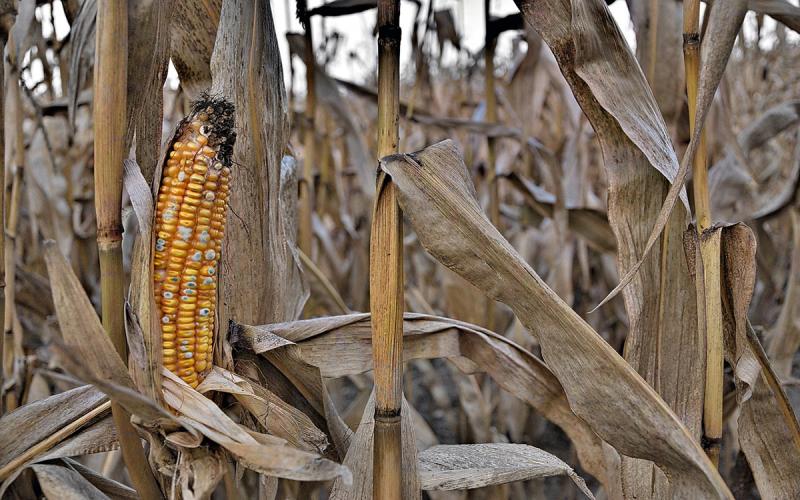
Mycotoxins: Should you be concerned?
Environmental stress caused by the weather or damaged crops increases the potential for mold and mycotoxin development. Learn some answers to common questions about mycotoxins and how to manage them.

Pumpkin Carving Preservation
Pumpkin carvers can use several techniques to slow or prevent the spread of pathogens and help their jack-o’-lanterns last longer. Learn some expert tips for getting the most out of your pumpkin carvings this fall.
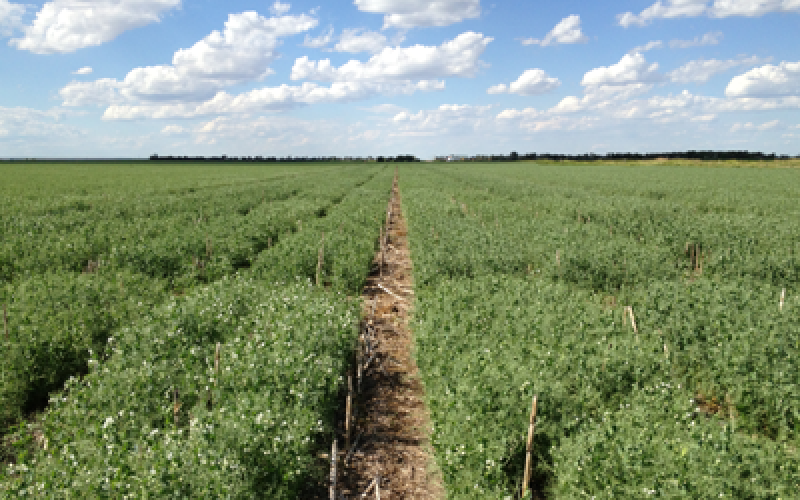
Field Pea Variety Trial Results
2025 field pea trial results data from different locations in South Dakota.
Chickpea Variety Trial Results
2025 chickpea trial results data from locations in South Dakota.
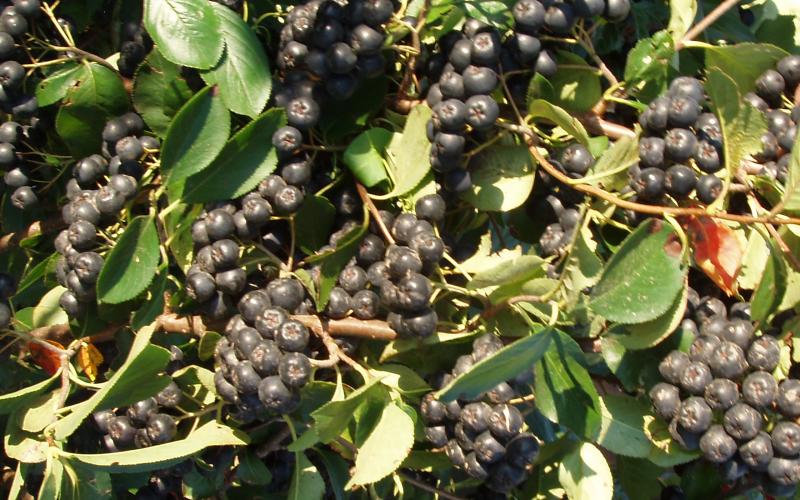
Aronia: Beautiful and Healthy
Aronia melanocarpa, or simply “aronia,” is an attractive shrub that has recently been gaining more attention in the Midwest – its berries are very high in antioxidants thought to be beneficial for human health.