Search

Saturated Buffer Situations
What is a saturated buffer and how can they be beneficial to farmers?
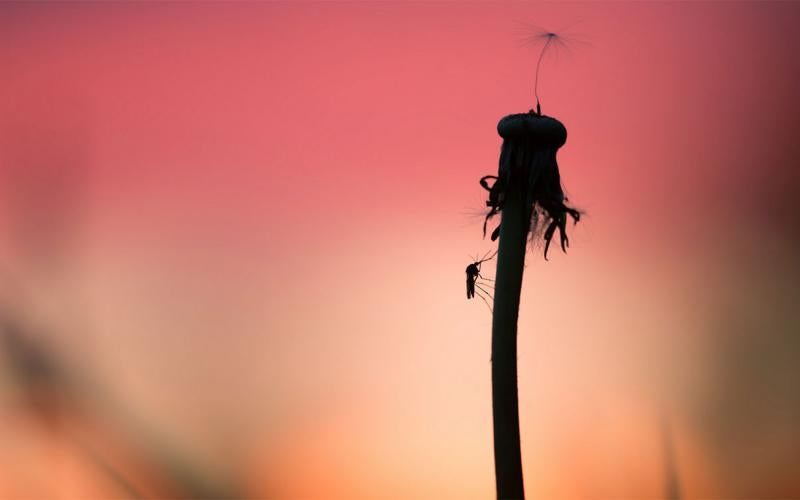
West Nile Virus Update: Aug. 2, 2021
As of Aug. 2, 2021, the South Dakota Department of Health indicated that West-Nile-virus-positive mosquitoes were detected in Brookings, Codington, Hughes, Lincoln and Brown counties in South Dakota.
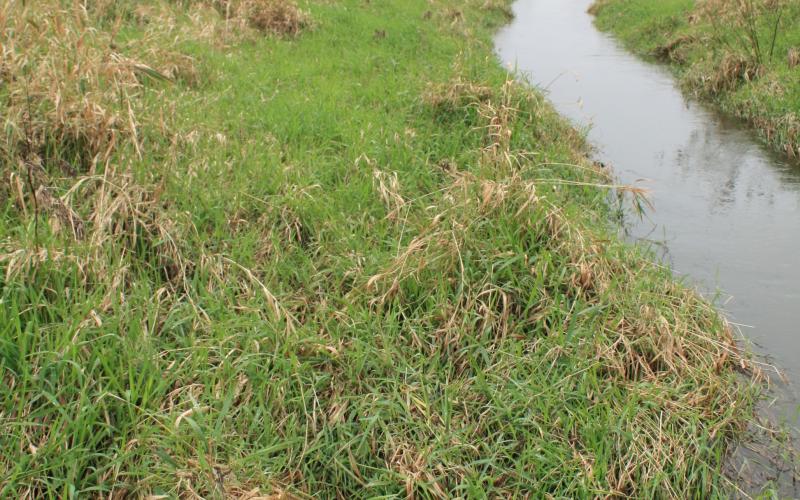
Saturated Buffer Performance, Challenges and a Path Forward
What are the challenges of a saturated buffer and can they work in other states?
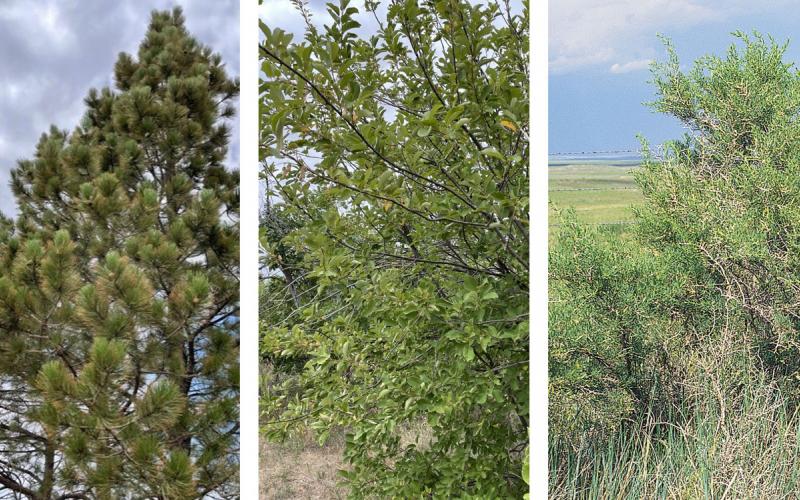
Poisonous Plants on Rangelands: Woody Species
Several woody plant species that are poisonous to livestock are found throughout South Dakota rangelands, including ponderosa pine, chokecherry, greasewood and broom snakeweed.
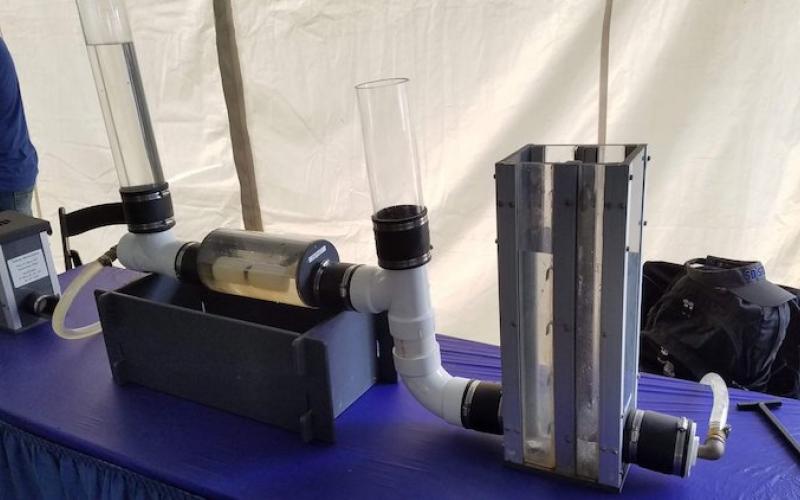
Controlled Drainage Logistics
How is controlled drainage a beneficial conservation practice in maintaining the water in your fields?
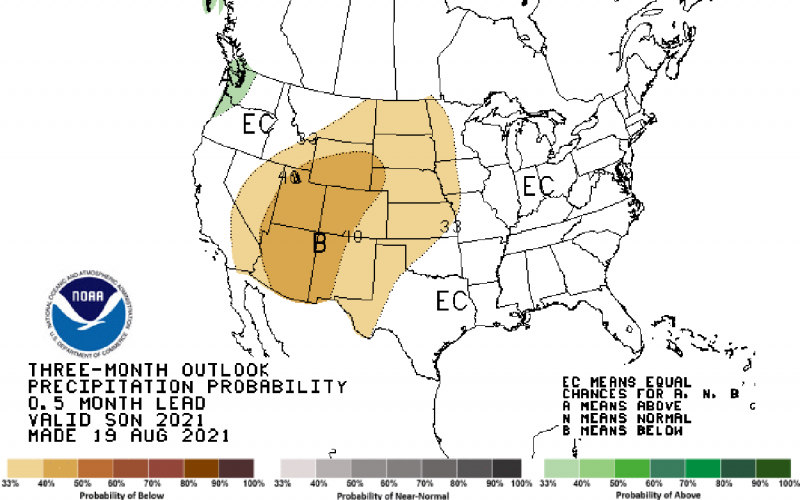
Fall 2021 Climate and Drought Outlook
The National Oceanic and Atmospheric Administration Seasonal Climate Outlook, released Aug. 19, 2021, projects drought conditions to continue through the fall season.

Optimal Design Drainage Rates for Eastern South Dakota
Fact sheet for the optimal design drainage rates for Eastern South Dakota.

Balancing Controlled Drainage
Will controlled drainage help maintain a healthy nutrient cycle with extreme weather changes and improve yield and water quality?
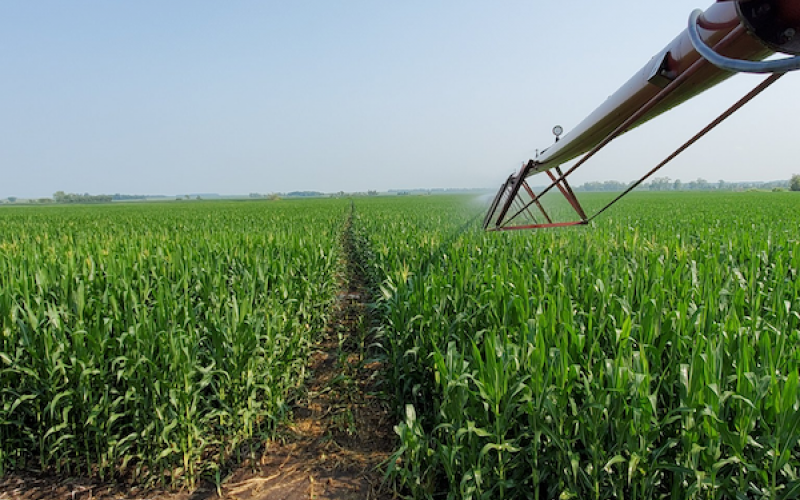
Subirrigation
Why is it important to know what the system needs before installing subirrigation?
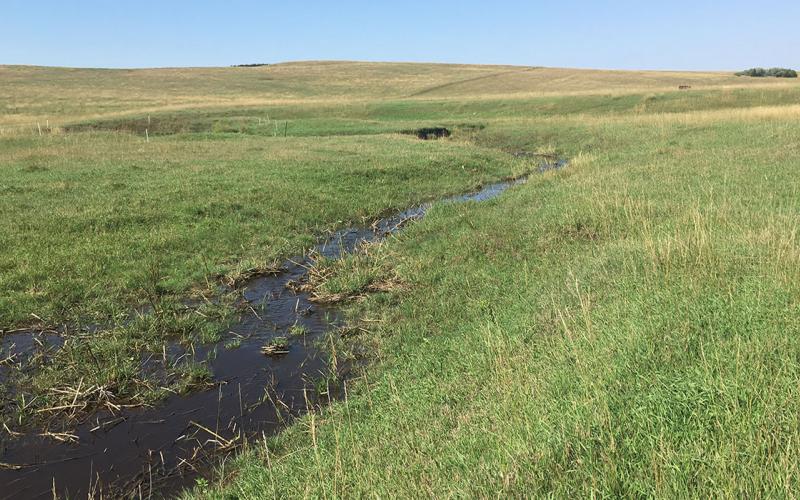
Be Careful Grazing the Green this Fall
With fall grazing on the horizon, nearly all of South Dakota is still experiencing drought conditions. Regardless of where your ranch is located, a rancher must be very careful when grazing the fall green-up of cool-season grasses.