Search
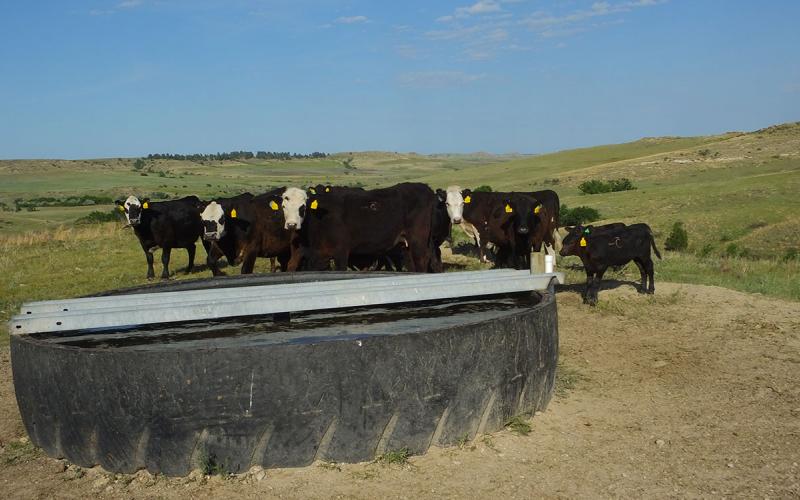
Water Quality
While producers have long acknowledged that access to water makes the difference between a profitable or unsuccessful operation, they are beginning to understand that water quality may be as important as water quantity.
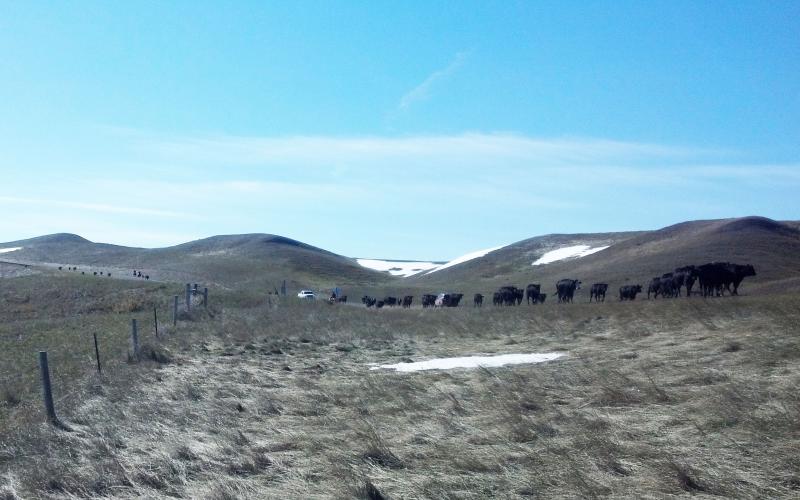
Winter Grazing
The predominant factor in winter grazing is ensuring adequate forage availability while considering long-term range health. When managed correctly, grazing winter range can be a viable option for controlling feed costs without negatively impacting rangelands.
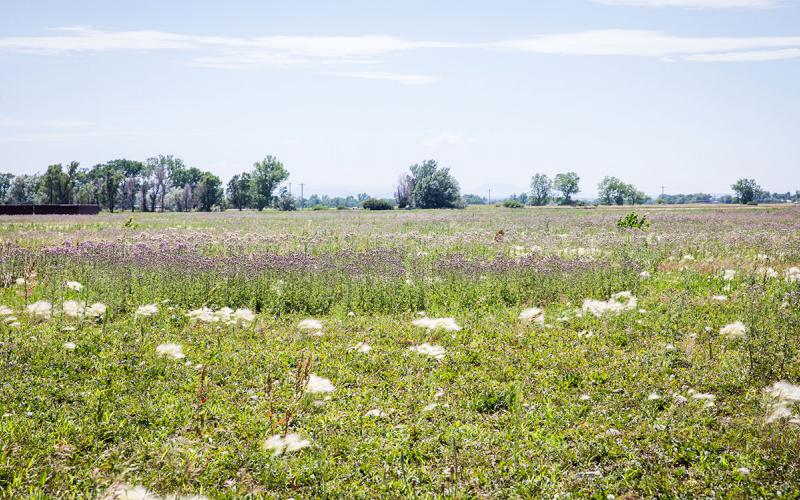
Invasive Species Management in Grasslands
Once invaded, grasslands can shift dramatically toward dominance of exotic species and require an integrated approach to species control that considers all tools, such as mechanical (cutting, burning), cultural (grazing) or chemical alternatives.
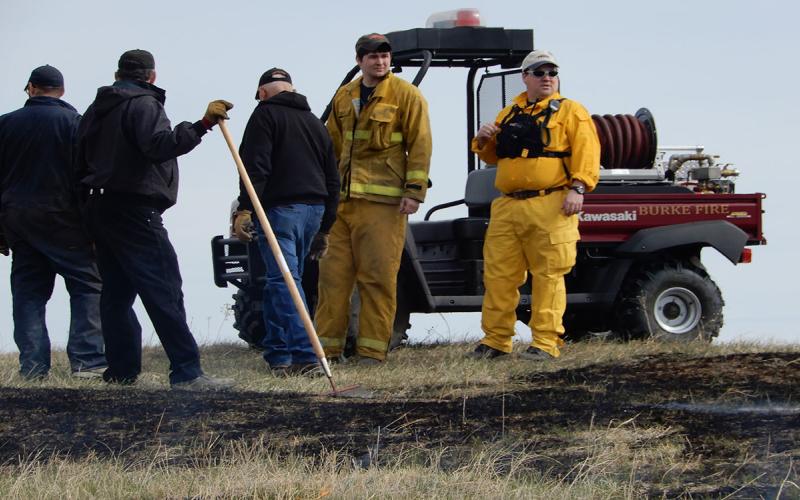
Why Should Fire Departments Help With Prescribed Burns?
From establishing fuel breaks that can contain future wildfires to providing valuable training for fire department volunteers, learn some of the many benefits of involving your local fire department in a prescribed burn.
Precision Agriculture and Zone Management
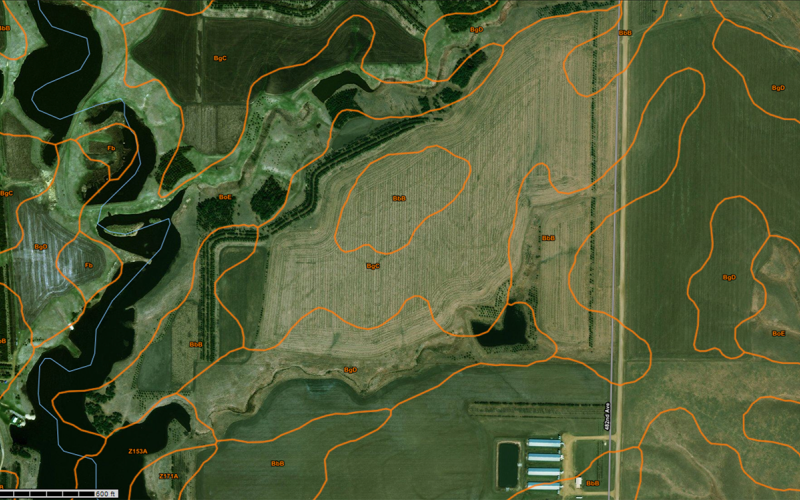
Precision agriculture tools can address the variations in a production system to enhance plant growth and crop yield. Zone management controls the variable rate of inputs for optimal performance within a defined field zone.
Replanting Cropland Back to Grassland
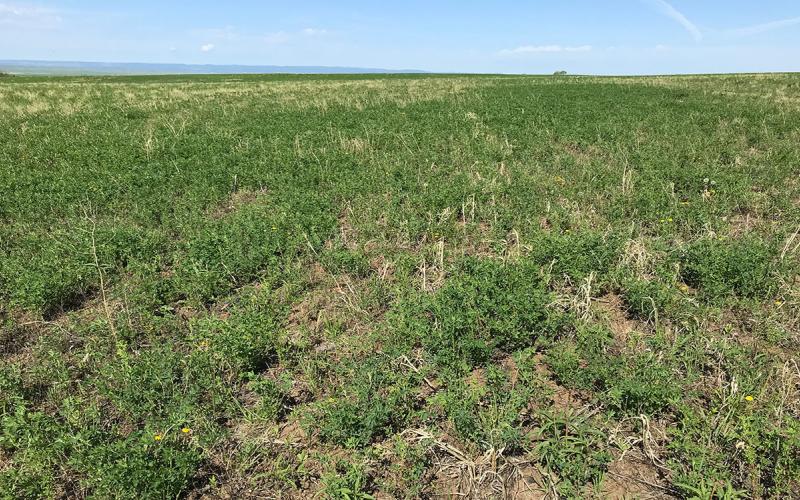
Planting cropland back to grassland takes some planning regarding previous herbicide use, soil fertility and seed bed preparation. The first step is to identify what resources are currently available to help you reach your objectives and what problems may need to be addressed.
Organic Agronomy Starting to Impact
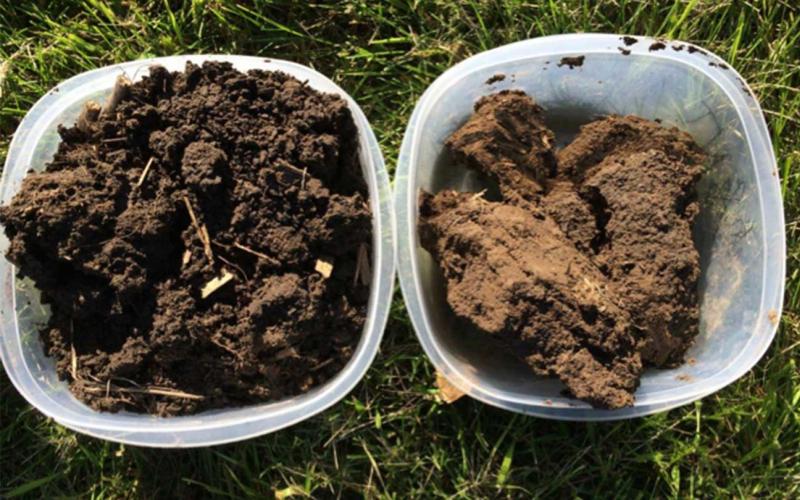
For decades scientists have known that a handful of soil contained more micro-biological organisms than the number of humans on earth. Science is just beginning to discover these organisms and learn about their functions and contribution to their soil ecosystem.

What are Those Gigantic Flies?
As we progress later into the summer, we commonly see an increase in horse fly activity.
Prairie Pothole Wetlands: Small Basins, Big Impact
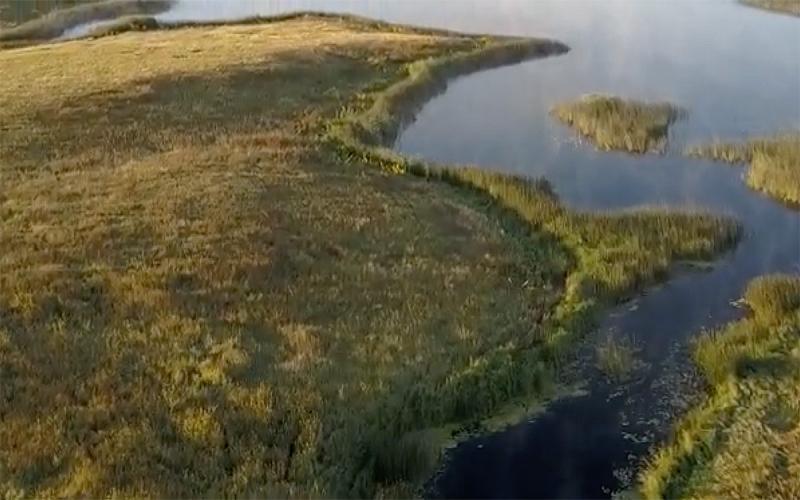
The benefits of prairie wetlands extend far beyond wildlife. These wetlands filter pollutants and excess nutrients from agricultural and urban runoff, trap sediment, recharge groundwater, and store floodwater.
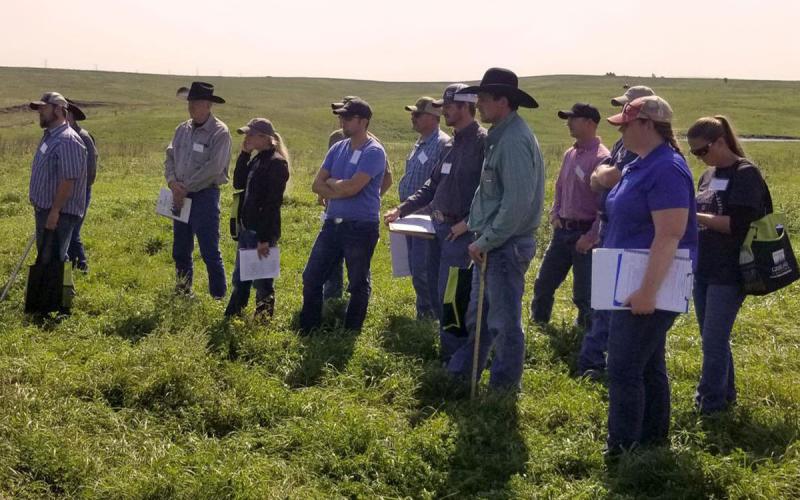
South Dakota Grassland Management Resources
The South Dakota Grassland Coalition provides educational opportunities for producers and agency personnel alike and has a wealth of informational tools available to share with others seeking assistance.