Search
Notes From the Range: Crested Wheatgrass Die-off
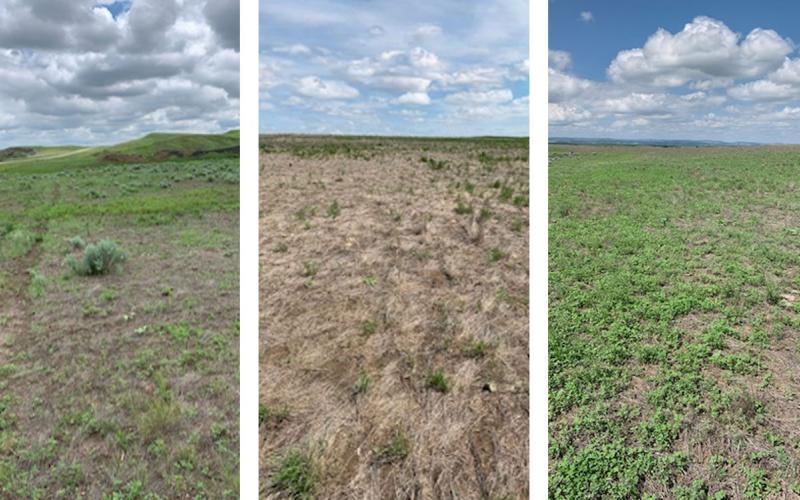
Crested wheatgrass die-offs occurred in South Dakota during the summer 2023. It was a noteworthy event and previously occurred in Montana several years prior. Learn where the die-offs occurred and what likely caused them.
Considerations for Winter Bison Management
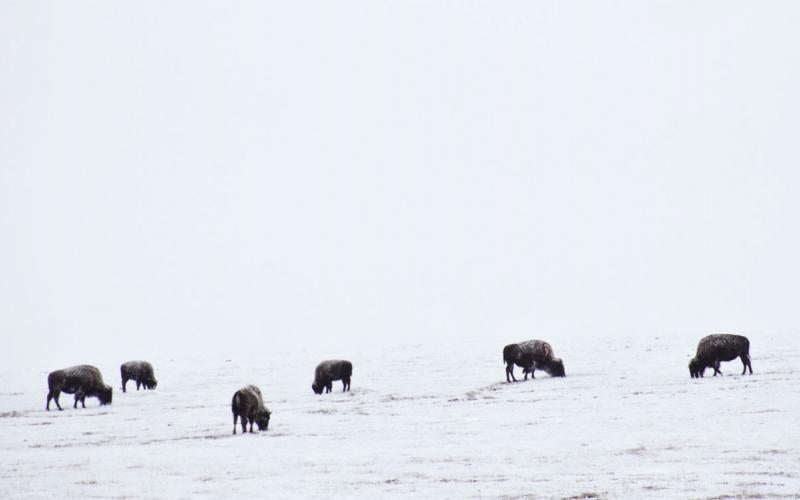
Although many tools and techniques developed for cattle management have been adapted for bison, there are some stark differences between the two species that producers should consider when managing bison on winter range.
Monitoring Spring Precipitation and Range Conditions
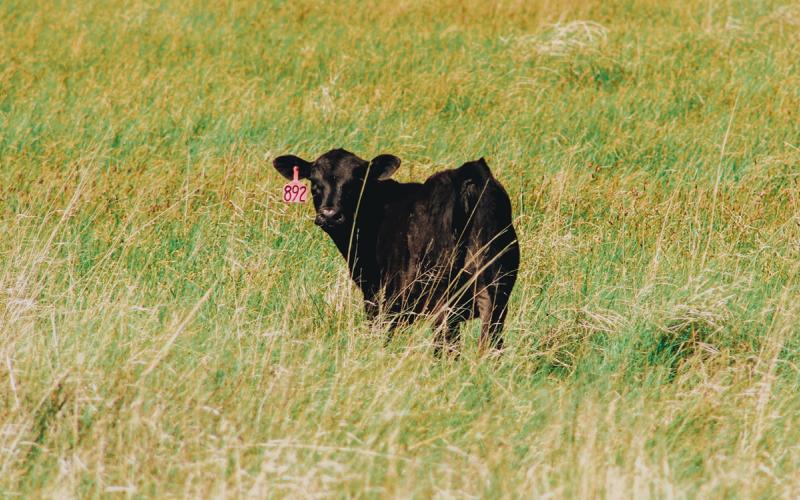
Ideal grazing management balances the acts of grazing and recovery. Monitoring precipitation, soil moisture, and forage production can help producers make informed decisions for their herds and pastures.
Keep an Eye on Black Grass Bugs This Spring
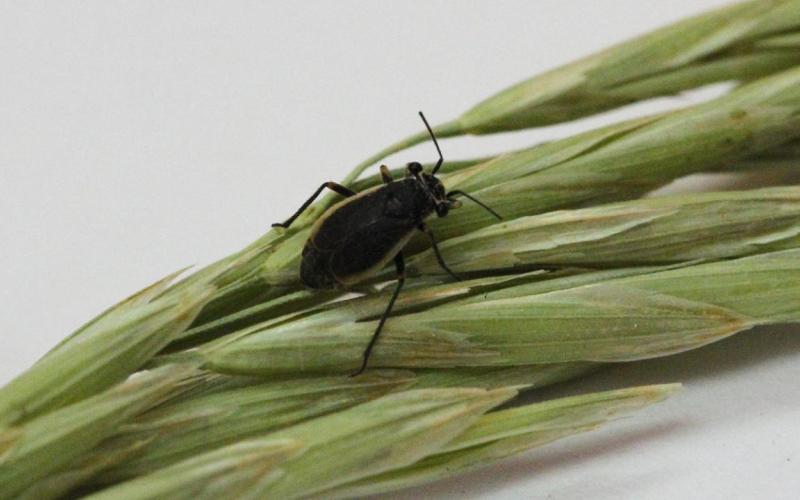
In South Dakota, black grass bugs are a common spring pest of forage grasses. This native insect first appears in late April and May when grasses emerge from dormancy.

South Dakota Grasshopper Prediction for 2024
In 2024, grasshoppers are likely to cause problems in areas of South Dakota due to large populations that were present in 2023 and the relatively late first hard freeze date observed in much of the state.
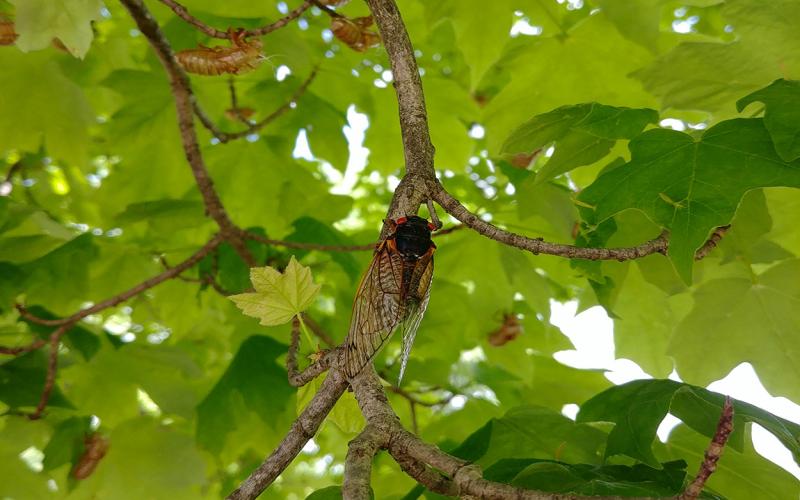
I heard cicadas are having a big year. Are they coming to South Dakota?
Cicadas are making headlines—specifically the periodical cicadas in Brood XIII and Brood XIX. Both both broods are in the Midwest and are geographically close together. Find out where you can expect to see them this spring.
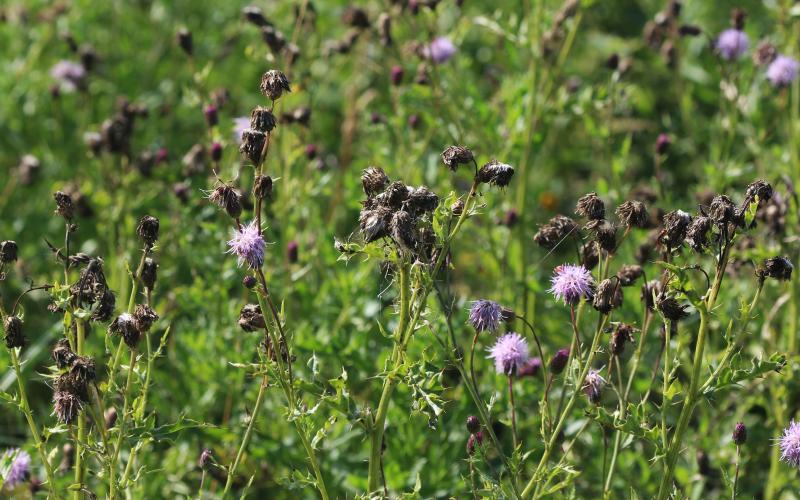
Current State of Noxious Weed Management in South Dakota
Results of an online survey to determine how South Dakota stakeholders are currently managing noxious weeds.
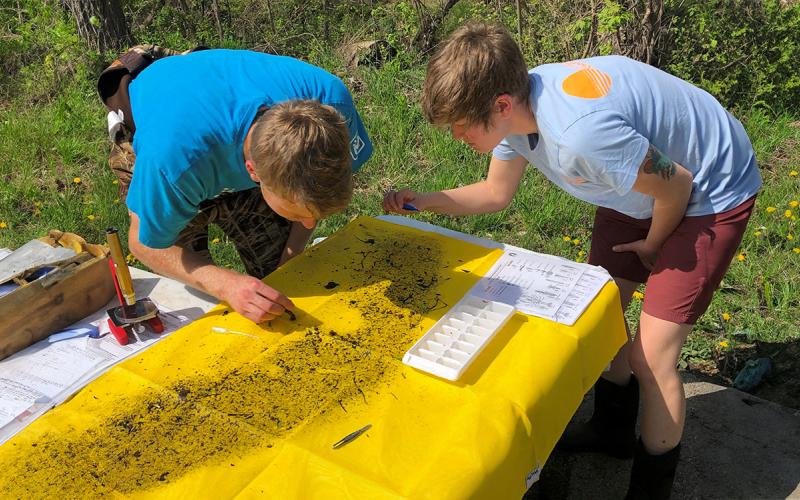
Aquatic Invertebrate Sampling: Teaching an old dog old tricks
Sampling aquatic macroinvertebrates is an important aspect of assessing surface water quality. Their presence, absence, and abundance give us an indication of the condition of the waterbody.
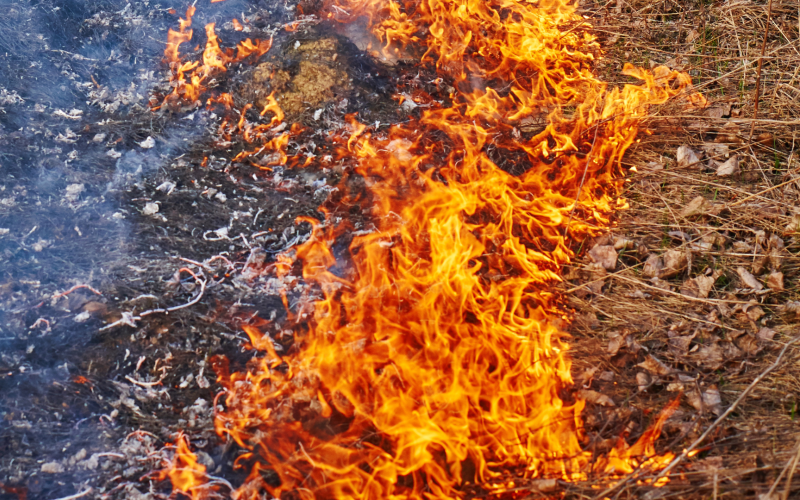
Live fire training for landowners planned for May 20
May 19, 2025
There will be a live prescribed fire training for landowners and agency officials on May 20, 2025, in the Animal Science building on the South Dakota State University campus.
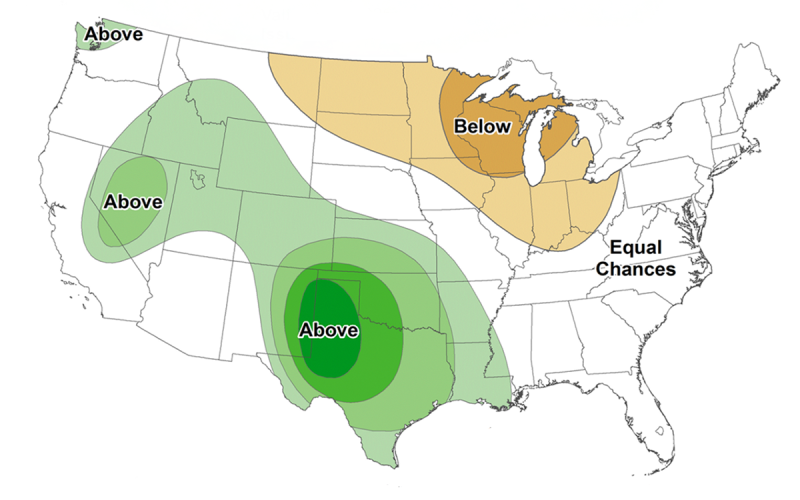
May 2025 Drought and Climate Update
Drought has plagued South Dakota since last year’s growing season. While producers welcome a spell of dry weather for planting spring crops at this time of year, recent moisture will not be enough to carry through the growing season.