Search
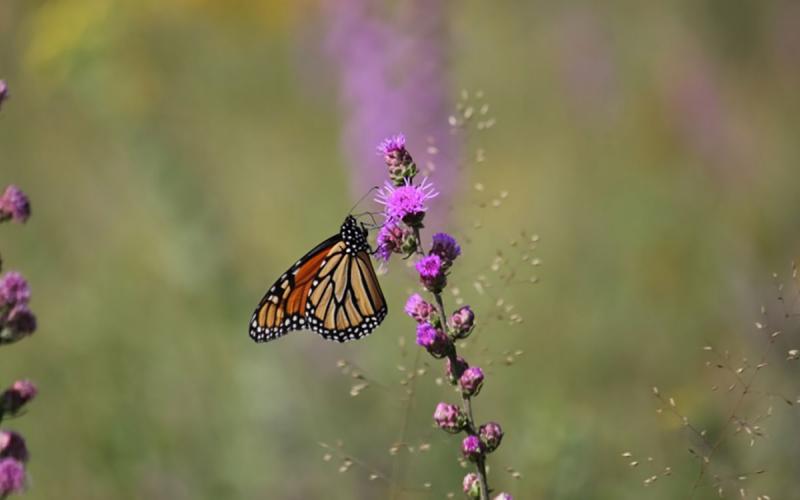
Understanding the Critical Role of Broadleaf Pollinator Plants in Pastures
Understanding the economic role of pollinators is the first step towards understanding their value to grassland and crop systems.
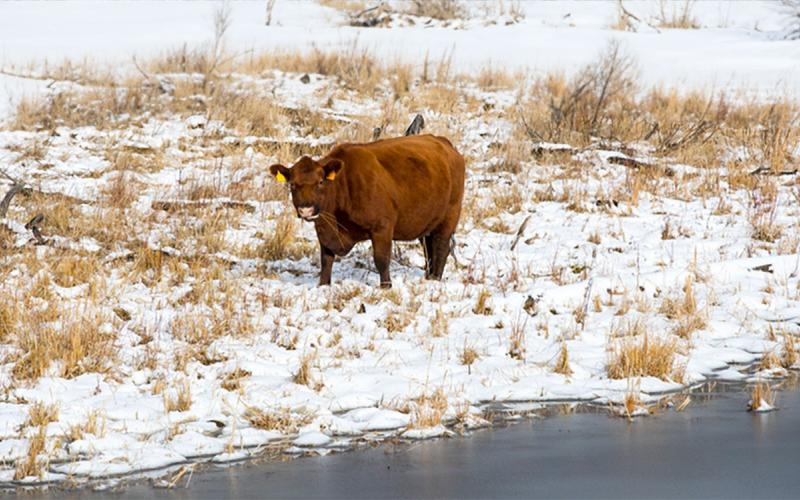
Icebreakers: Winter Water Supply
Cold weather creates a challenge for producers who house their herds in areas where there are limited water resources and available natural water sources may be frozen over.
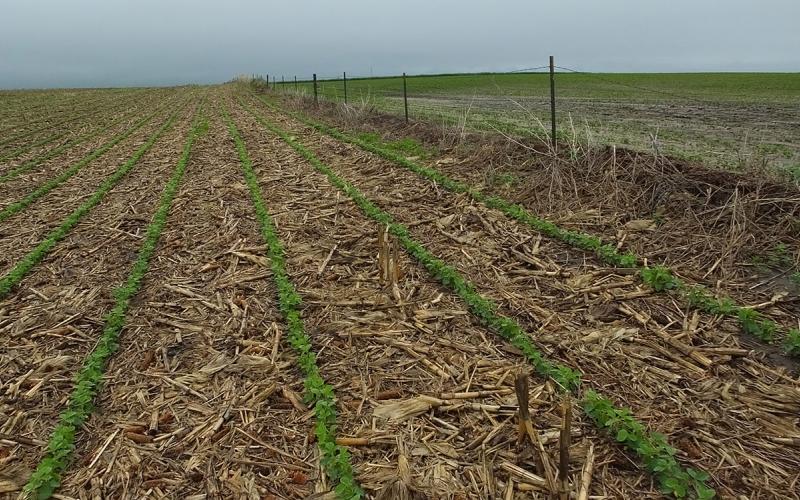
Economics of Different Crop Rotation Systems in South Dakota
Economic returns are an important factor to consider when selecting crop rotation systems.
Give the Gift of Conservation This Christmas
The SDSU Natural Resources Management Department and SDSU Extension would like to wish all our readers a Merry Christmas and remind everyone that if you are shopping for a late holiday gift, consider giving the gift of conservation to yourself or someone else.
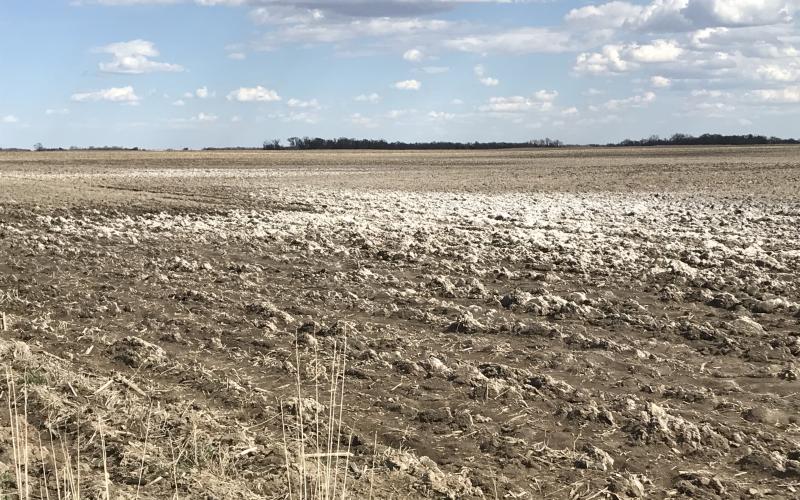
Revegetation of Salt-Impacted Soils in South Dakota
This publication provides suggested native species suitable for the revegetation of salt-impacted soils. The suggested species are listed as native to South Dakota according to the USDA NRCS Plants Database.
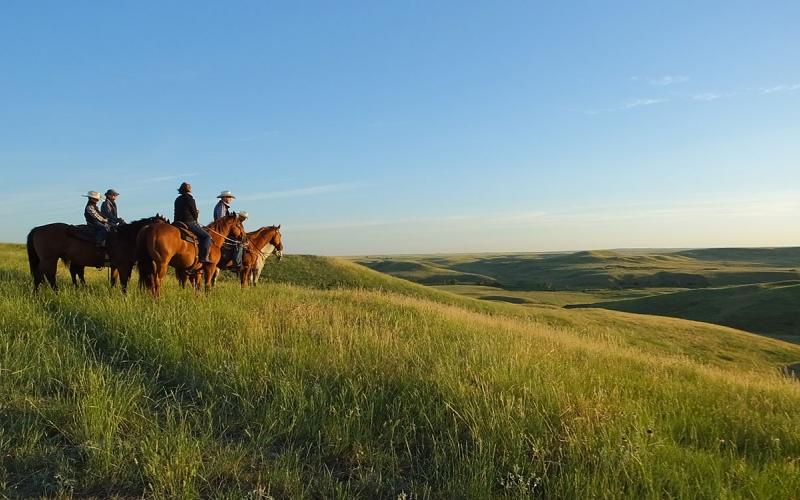
Managing and Protecting Grasslands for the Future
Grasslands are a valuable resource for South Dakota, and many of our core industries rely on the perpetuation of healthy grasslands for agriculture, recreation and tourism. Regardless of goals and objectives, many grassland landowners desire assistance with short and long-term grassland management goals.
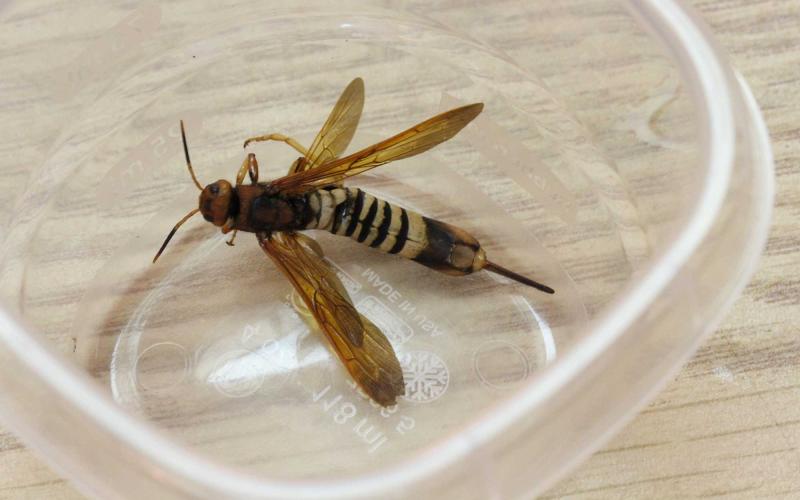
Huge Wasps on My Tree! No, Those Still Aren’t Murder Hornets.
Another insect that has been mistaken for the Asian giant hornet (also known by its media-popularized name of ‘murder hornet’) is the horntail wasp. Horntail wasps are wood-boring insects that are harmless to humans, as they do not have venom and cannot sting.
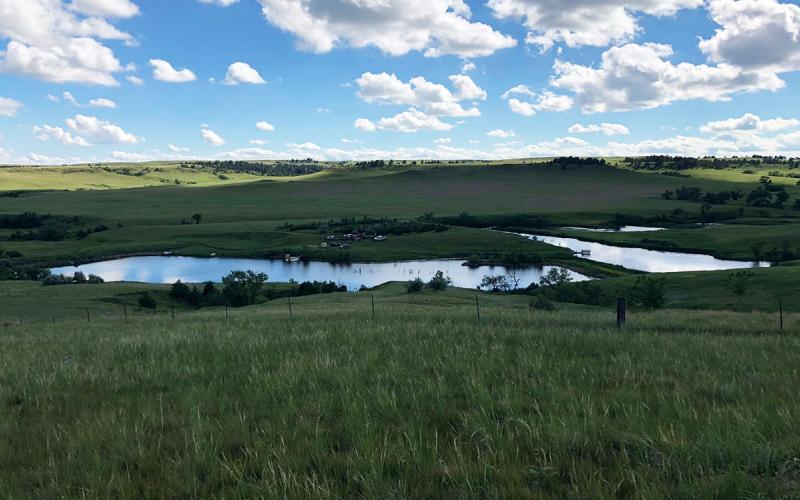
Why Grassland Management?
Grassland management involves more than simply moving livestock from one pasture to the next. Successful grassland managers are educated in grassland health and strive to improve their personal understanding of key grassland components.

Wildfire Aftermath: Beef Cattle Health Considerations
Smoke inhalation, burns and thermal injury, exertion, stress, and injuries suffered during escape can all cause longer-term effects on cattle that have survived wildfires or building fires.
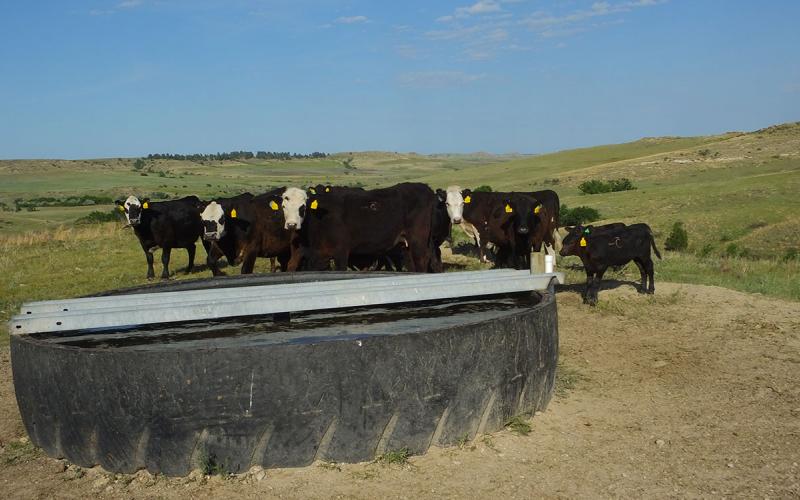
Water Quality
While producers have long acknowledged that access to water makes the difference between a profitable or unsuccessful operation, they are beginning to understand that water quality may be as important as water quantity.