Search
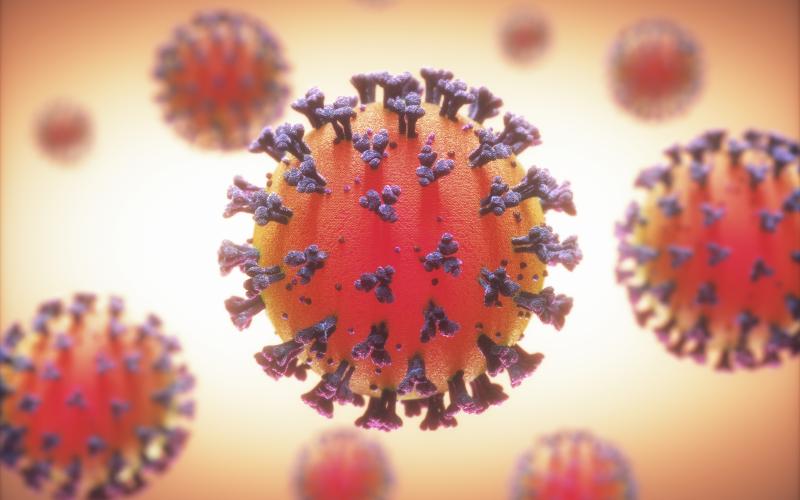
SDSU Extension Continues Outreach Efforts During COVID-19 Pandemic
April 03, 2020
While offices throughout the state are closed, SDSU Extension experts remain available remotely and encourage the public to reach out to them via email or by phone.
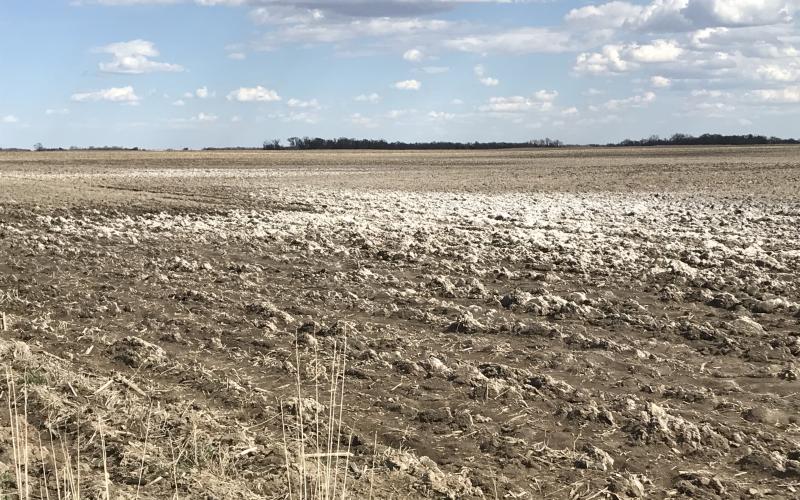
Revegetation of Salt-Impacted Soils in South Dakota
This publication provides suggested native species suitable for the revegetation of salt-impacted soils. The suggested species are listed as native to South Dakota according to the USDA NRCS Plants Database.
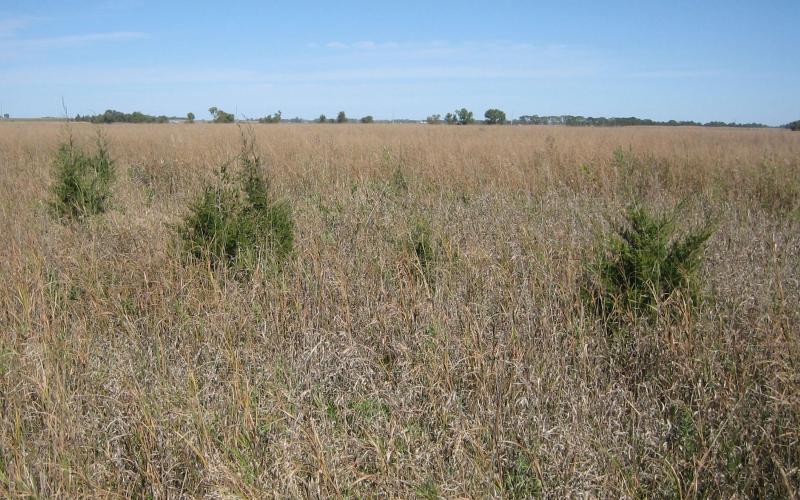
‘Baa-d Cedars’ Field Day Examines Goat-Targeted Grazing on Cedars
September 17, 2021
South Dakota State University Extension invites the public to an interactive Eastern Red Cedar Management Field Day to see the impact goats can have in controlling the most widely distributed conifer across eastern North America.
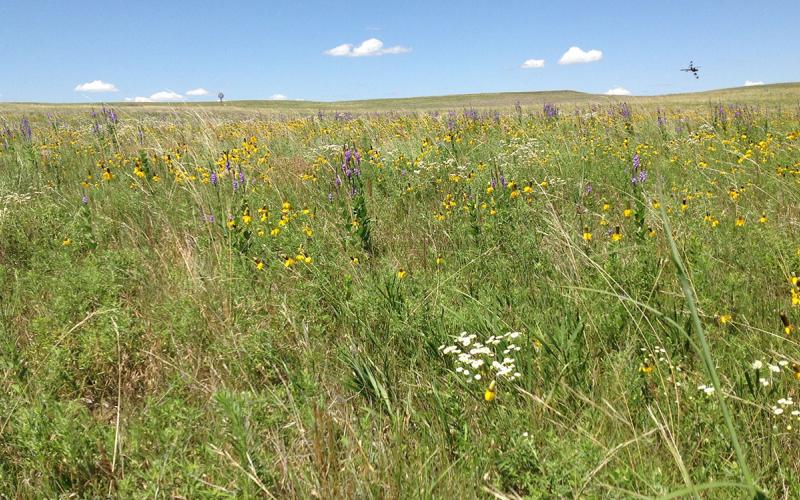
How do we describe biodiversity? It's multidimensional!
Fact sheet on the importance of biodiversity
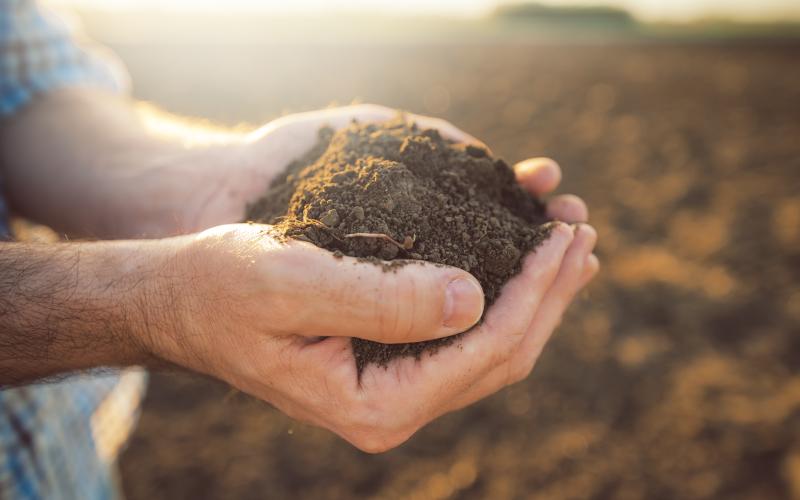
An Introduction to Salt-Impacted Soils in South Dakota
Introduction of salt-impacted soils in South Dakota for landowners.
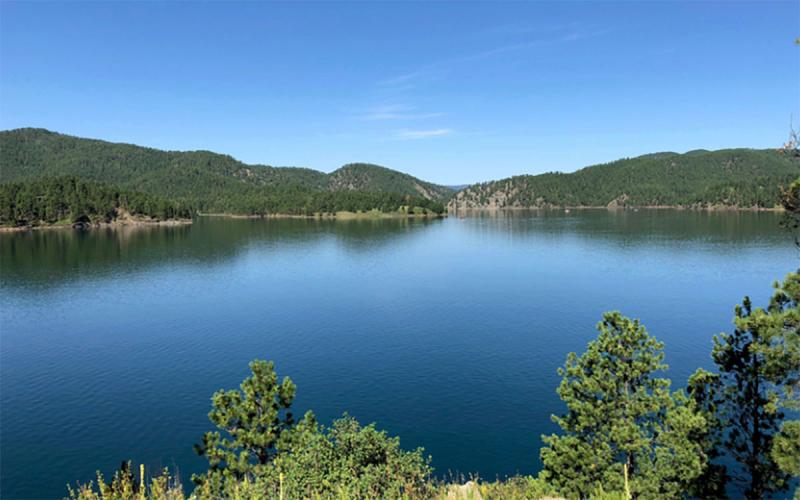
Understanding Suspended Solids in South Dakota's Waterways
Fact sheet on understanding suspended solids in South Dakota's waterways.
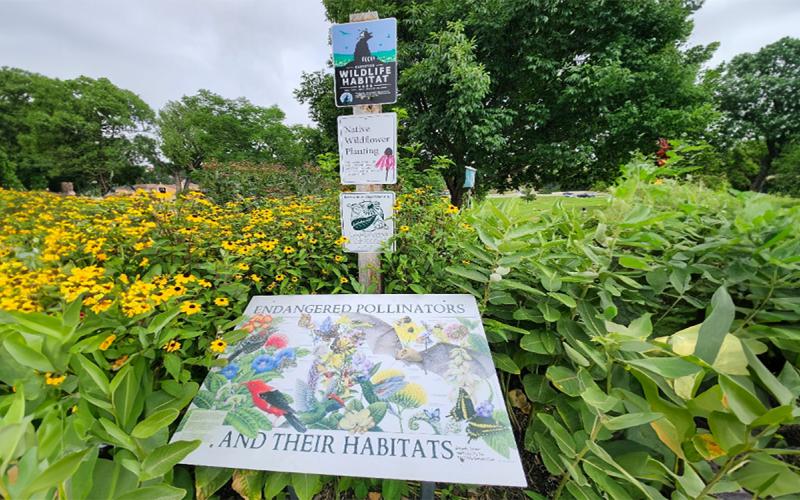
Funding Opportunities for Small-Scale Pollinator Habitats: A Guide for Urban and Home Garden Projects
Learn about some of the many funding opportunities available for urban pollinator habitat projects of all sizes and scopes.
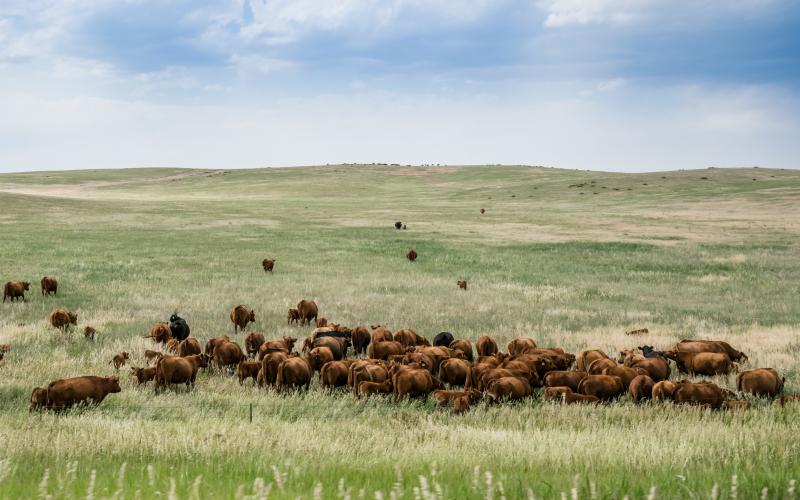
Structuring Grazing Leases
Fact sheet including ranch resource goals to improve landowner - lessee relationships.
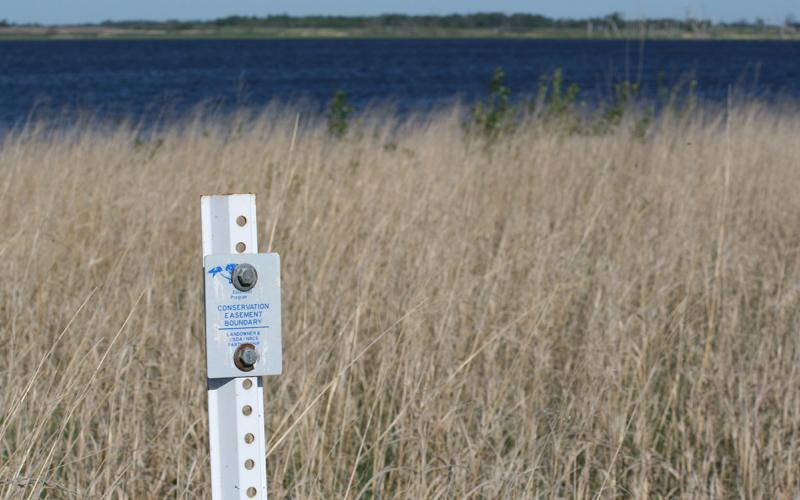
Understanding Conservation Easements
Conservation easements are a common, yet often misunderstood, real estate transaction tool. This article is intended to provide factual information regarding the rules and regulations that govern the use of conservation easements in South Dakota.

Creating Management Zones Using Electrical Conductivity
The first step to practicing zone management is to identify the variations that control yield. There are various methods for characterizing soil variations within a field, and among them, electrical conductivity measurement is one of the most-reliable.