Search
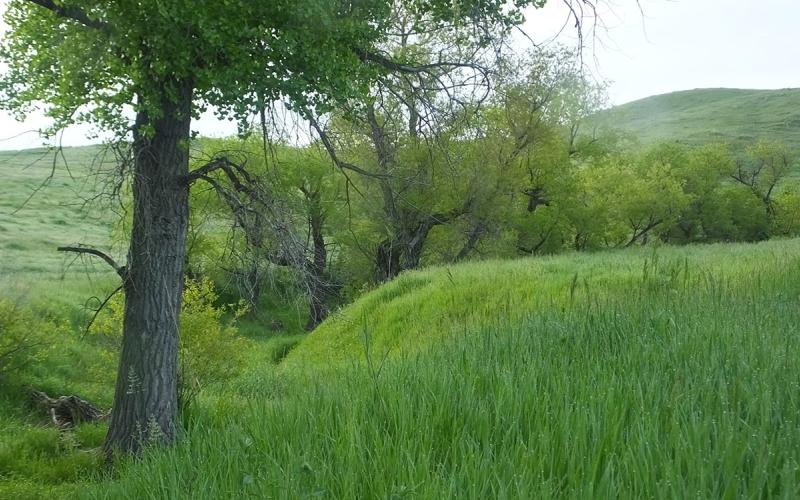
Ranching and Prairie Streams: Riparian Vegetation
Riparian vegetation consists of the collection of plants that thrive along streams, riverbanks, and wetlands. Learn about the many ecological benefits this vegetation provides.
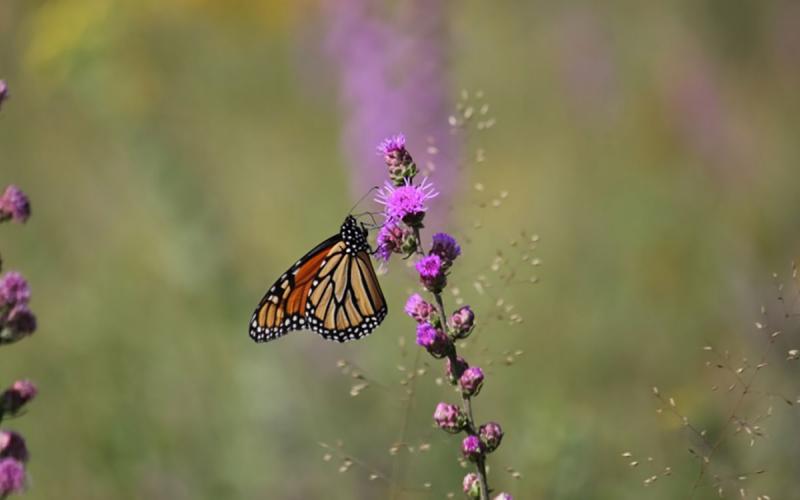
Understanding the Critical Role of Broadleaf Pollinator Plants in Pastures
Understanding the economic role of pollinators is the first step towards understanding their value to grassland and crop systems.
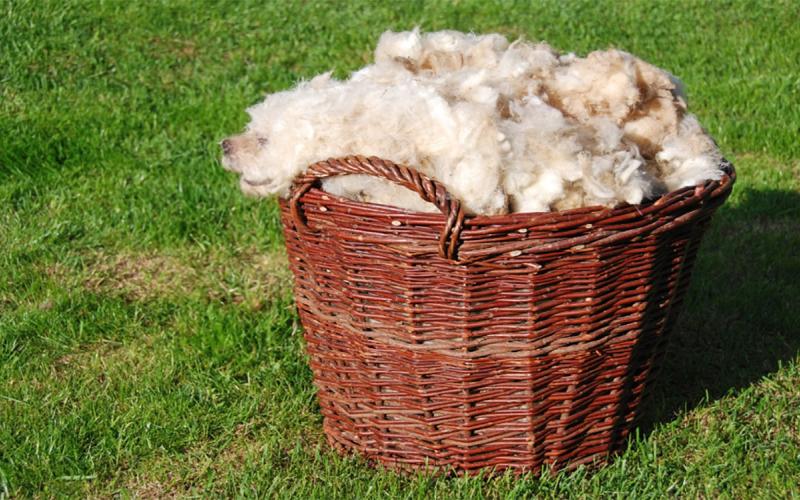
Wool: A Natural Bio-Enhancement for Gardens
Sheep's wool has been seeing increased use in gardens as mulch or a soil additive due to its numerous benefits. Learn how wool can help your plants and garden thrive this gardening season!
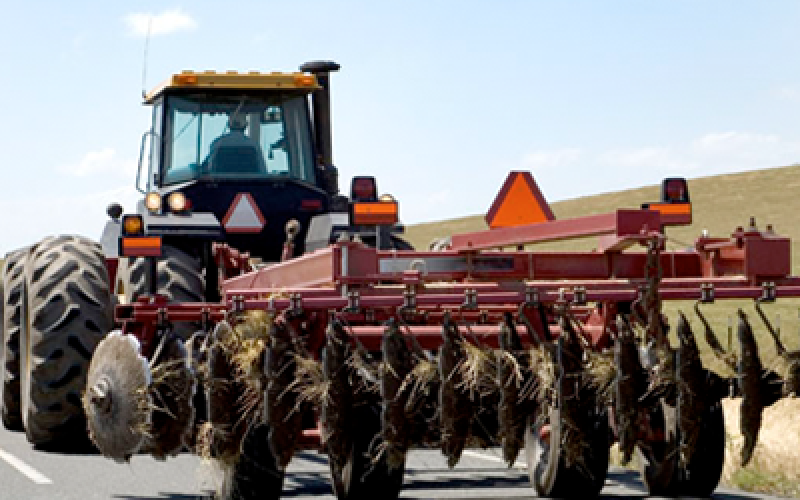
Farm Equipment, Safety on the Road, Everyone’s Role
National Farm Safety Week serves as a safety reminder for those involved in agriculture. During harvest, we will see an increase in farm equipment on the road, including tractors, combines, grain carts, silage choppers and silage trucks.

Focus on Grazing Management, Not Grazing ‘Systems’
Focusing only on the system and forgetting the fundamental truths of grazing will break any grazing strategy. Producers should instead focus on intensive management, making informed decisions based on the current conditions.
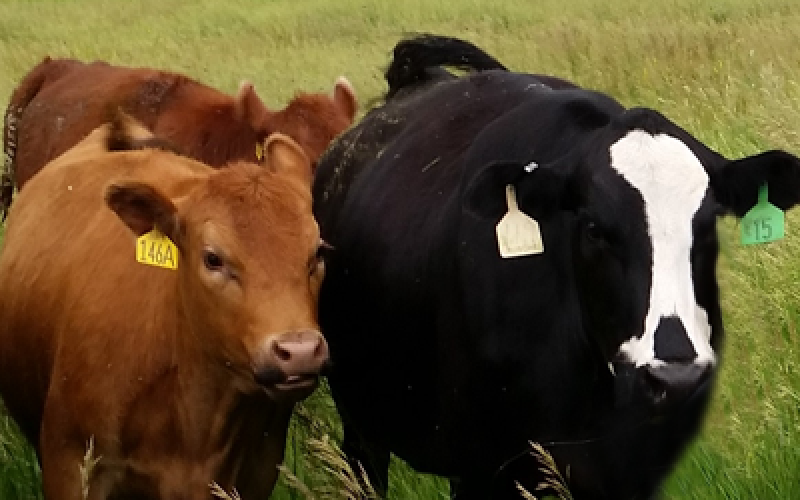
Setting Up Replacement Heifers for Breeding with CIDR Protocols
Replacement heifers are the most common group of females on the ranch to be artificially inseminated. An option available for heifer (and cow) synchronization is use of a CIDR (Controlled Internal Drug Release).
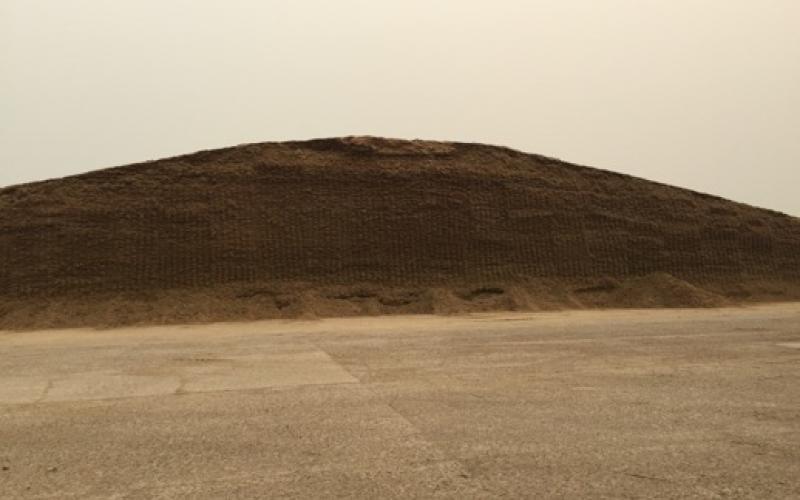
High-Quality Silage Making & Safe Practices: Both are necessities
Throughout the forage growing season many producers are putting up silage piles. To this point they have been predominately forages such as haylage or small grain silage; however, we will soon be moving into corn silage cutting season.
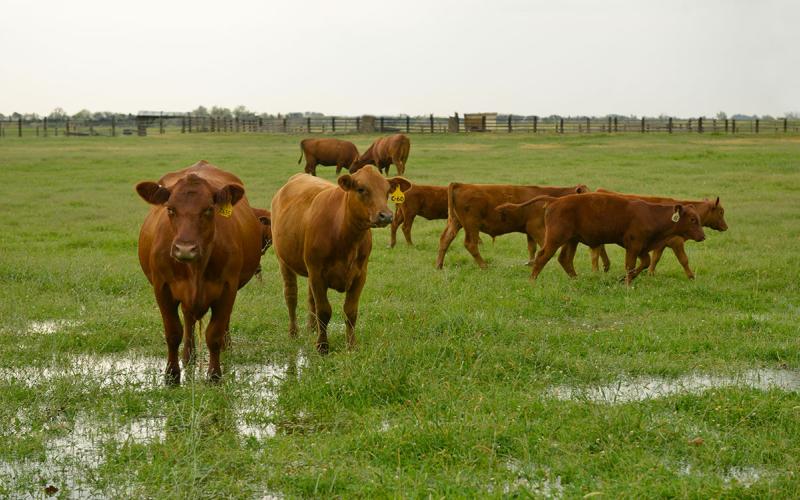
Considerations for Beef Producers Following a Flood Event
In the aftermath of a flood event, there are several different items to be considered for beef herds. View some tips and resources for protecting your family, your herd, and your bottom line following a flood.
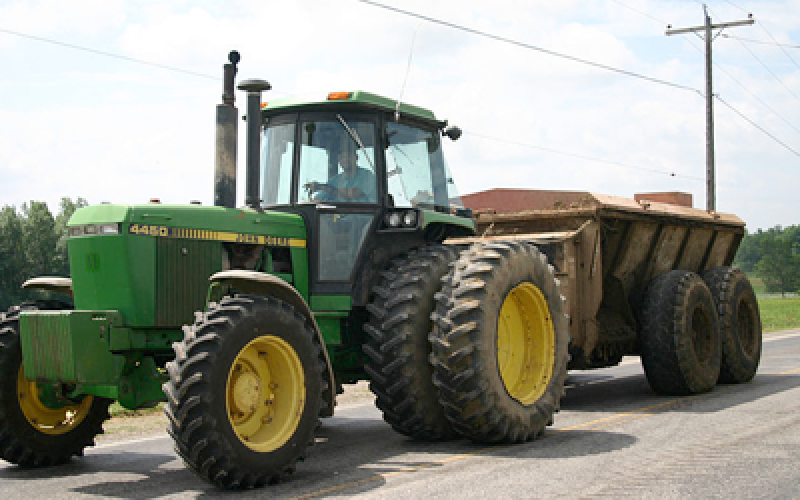
Farm Safety: Making it a daily habit
We know that agriculture ranks as one of the most dangerous occupations causing an estimated 167 lost-work-time injuries on a daily basis, of which 5% result in permanent impairment, according to the National Institute for Occupational Safety and Health. In addition, approximately 20 farm workers per 100,000 die annually, with the leading cause of these deaths being tractor overturns.
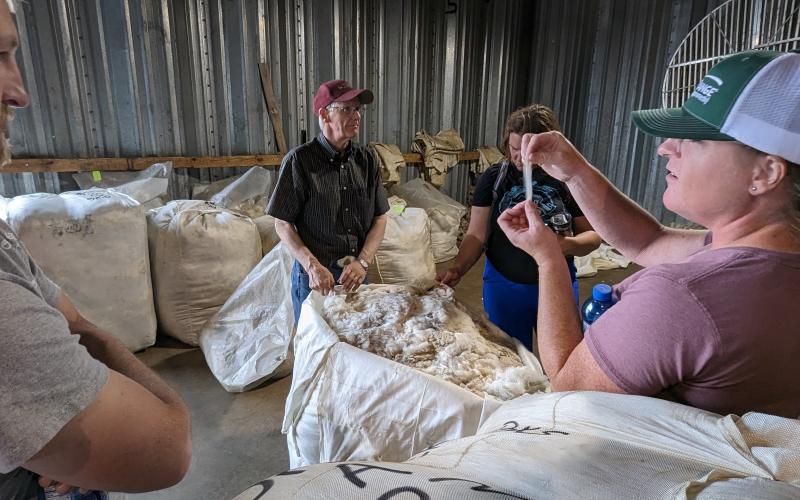
Sheep producers invited to apply to SDSU Extension Elevate Ewe cohort program
June 28, 2024
South Dakota State University Extension is inviting beginning sheep producers to apply to the 2024-2025 Elevate Ewe program.