Search

Bountiful Backpack
Use this program to help participants develop cooking, food safety, and recipe preparation skills for its participants.
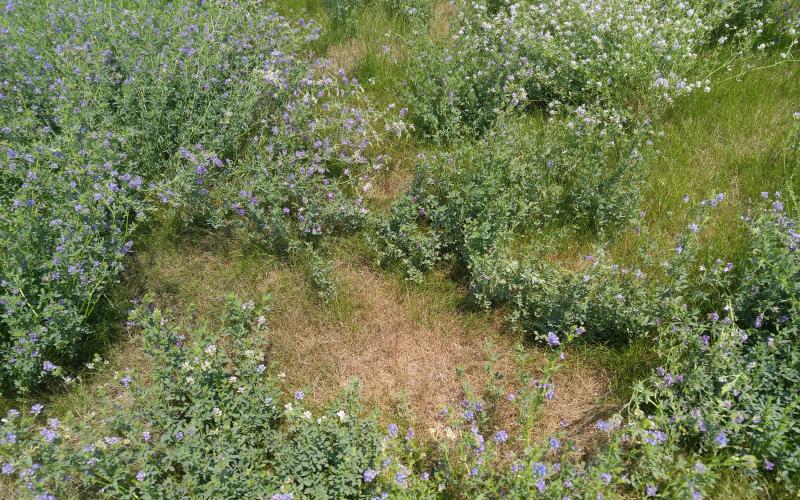
An identification guide for Alfalfa Insect Pests in South Dakota
Pictorial guide for common insect pests of alfalfa in South Dakota

Johne’s Disease Testing in Beef Herds: Looking at the Available Tests
Once thought to be a dairy cattle problem, Johne’s Disease is increasingly a topic of conversation for beef seedstock and commercial producers alike. An understanding of the Johne’s Disease testing options available is a good first step in devising a herd health plan.
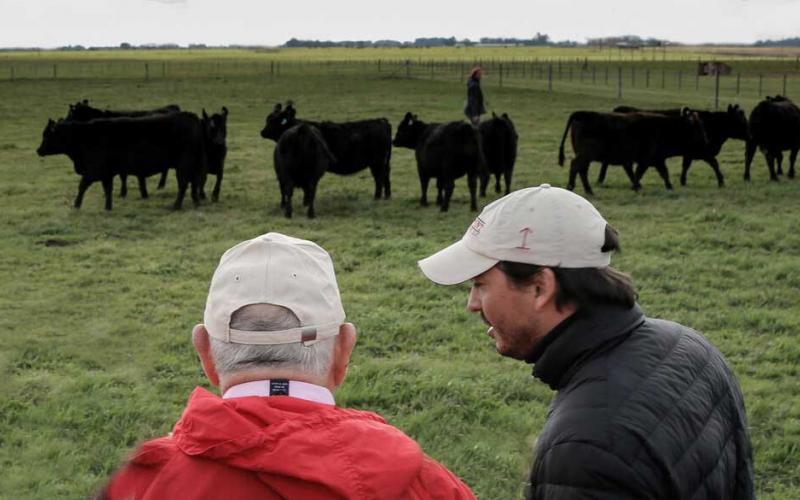
Johne’s Disease Testing in Beef Herds: Testing Plans and Responses
While still somewhat imperfect, testing herd animals for Johne’s Disease is an appropriate tool for producers and their veterinarians to begin to get a handle on the level of infection and to implement sound strategies for limiting the disease’s effects.
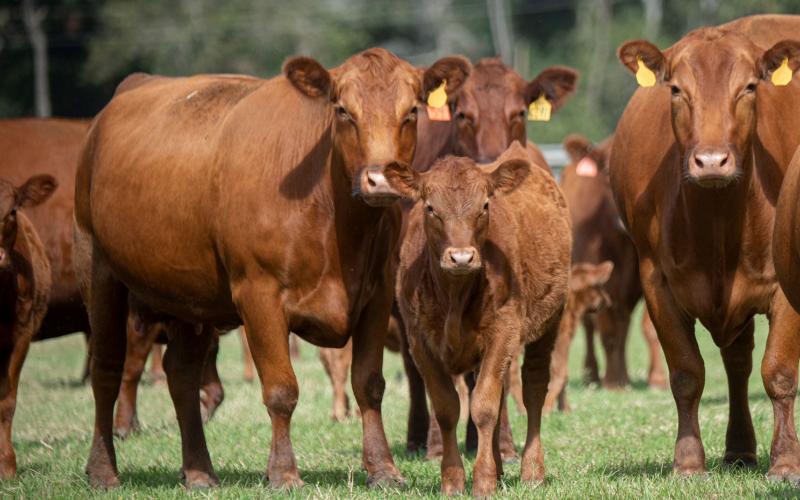
The Bovine Estrous Cycle
Fact sheet on the bovine estrous cycle. Available in English and Spanish.
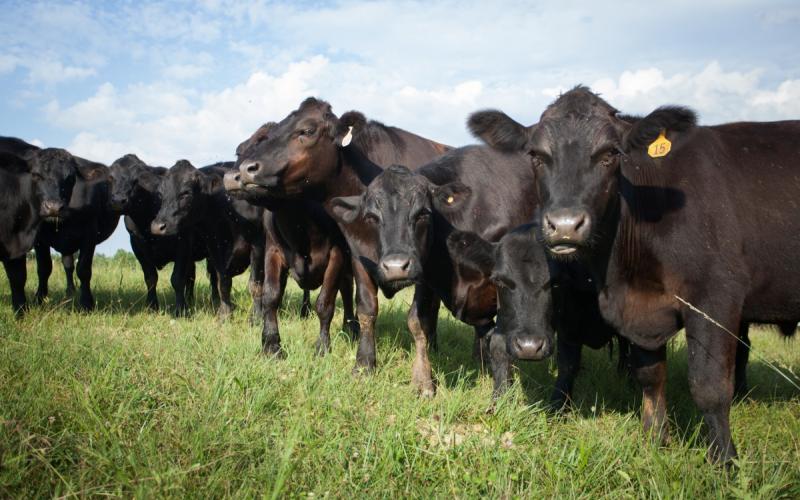
Understanding Estrous Synchronization of Cattle
Fact sheet on the use of estrus synchronization of cattle. Available in English and Spanish.
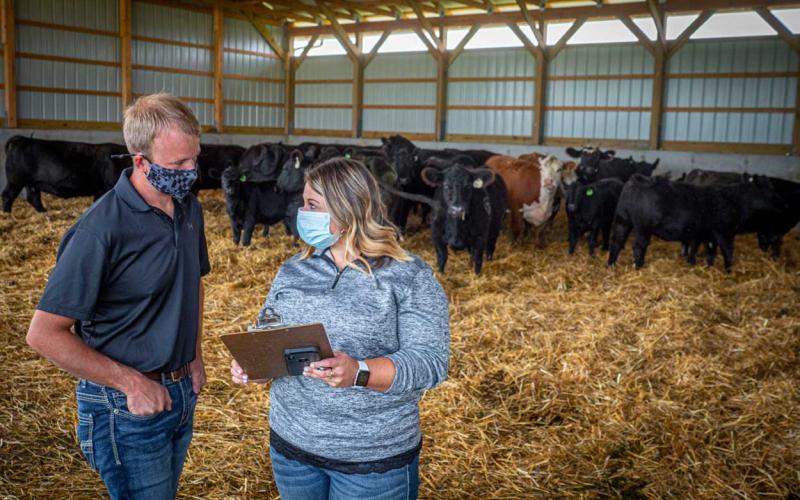
COVID-19 Tips for Farms and Ranches
Continuing to keep employees and family members healthy through the COVID-19 pandemic will require extra effort as you enter the busy time of fall harvest.
Minimizing the Neospora Threat by Using Serology in Beef Replacement Heifer Selection
Neospora caninum is one of the lesser-known causes of infectious reproductive failure in beef herds. It’s always possible for herds to encounter new Neospora infections in a given year, but in herds in which it’s already established, using Neospora serology can be one consideration in choosing replacement heifers.

Grain Overloads: A Possible Consequence of Cornstalk Grazing
Corn residues are a great source of winter feed, but in certain situations, cattle producers should be aware of the possibility of grain overloads, which can impact herd health.
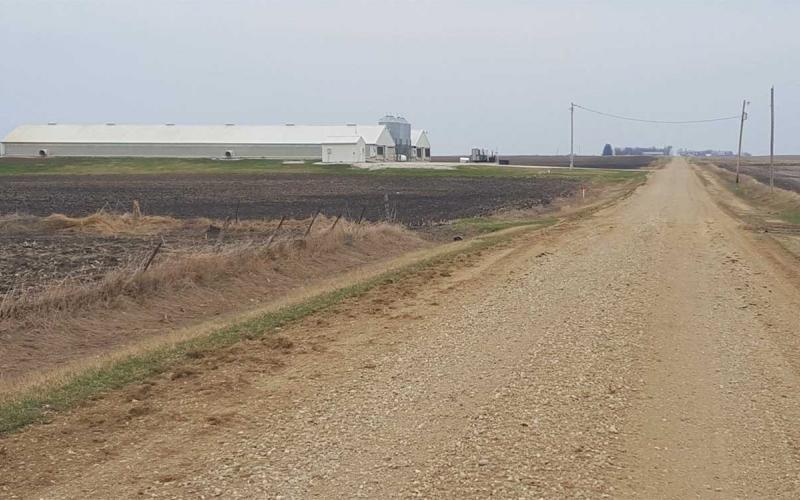
Air Infiltration in Swine Barns
Air infiltration in large, confined swine operations has been an on-going problem for producers for many years. Regardless of technological advancements in building design and construction, unwanted air penetration continues to be a consistent problem.