Search
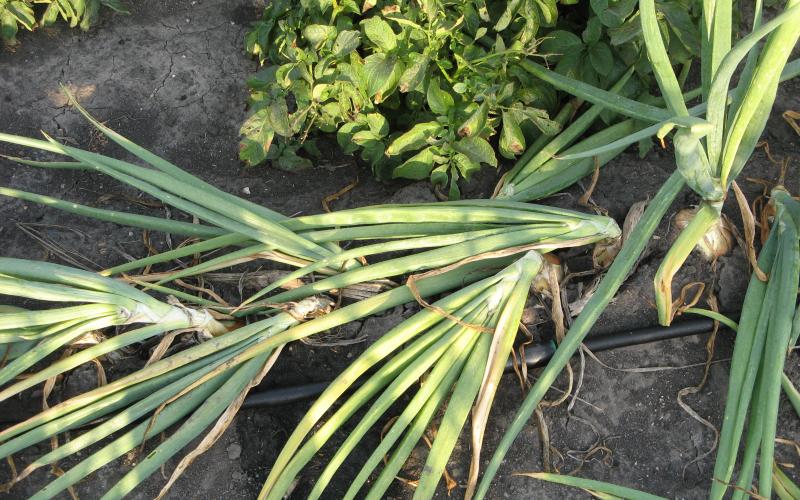
Growing Onions
Onions have been a commonly grown vegetable for thousands of years. They are easy to grow, nutritious and can be stored for months until they are needed as part of a meal. There are many different kinds of edible members of the Allium genus but bulbing onions are the most commonly grown.
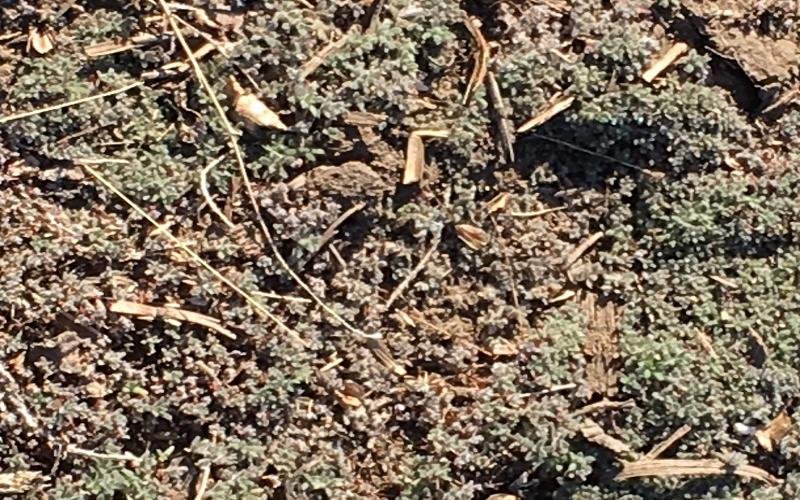
Temperature and Herbicide Performance
In South Dakota, the spring can come with a wide range of temperature fluctuations. This will affect the performance of burndown herbicides. Depending upon the target weed, type of herbicide and application rate, there will likely be decreased weed control in cooler temperatures.

Carrots: How to Grow It
Carrot is a hardy, cool-season vegetable. Carrots are eaten both raw and cooked and they can be stored for winter use.
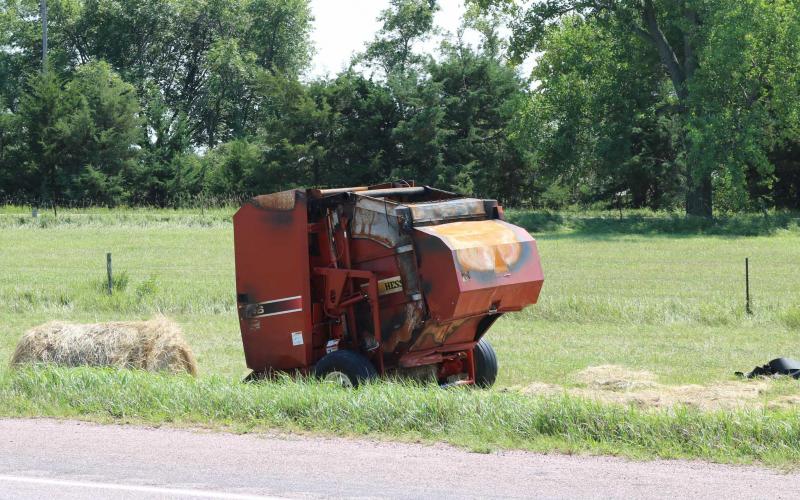
Preventing an Unwanted Baler Fire
Forage harvesting for hay will soon be upon us, and we need to take the time to prepare our equipment and ourselves for a safe and successful forage harvest when utilizing a baler.
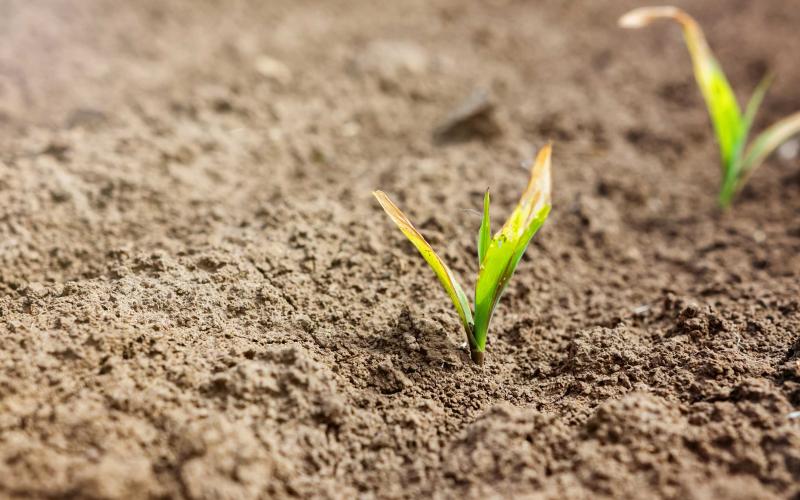
Low Temperature Damage to Corn and Soybean
Temperatures are forecast to reach 32°F or lower in large areas of South Dakota for several nights beginning on May 7, 2020. While a relatively low percentage of planted crops are likely to be emerged at this point in time, producers may still want to evaluate individual fields for crop damage.
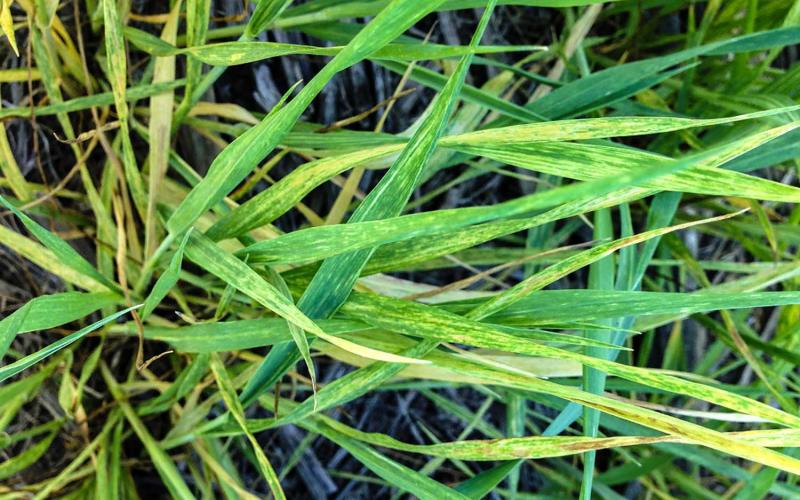
Wheat Streak Mosaic Disease Developing in Winter Wheat
Although the majority of winter wheat in the state is rated good to excellent in the recent USDA-NASS report, a few winter wheat fields in Central South Dakota have been diagnosed with wheat streak mosaic disease (WSMD) caused by wheat streak mosaic virus (WSMV).
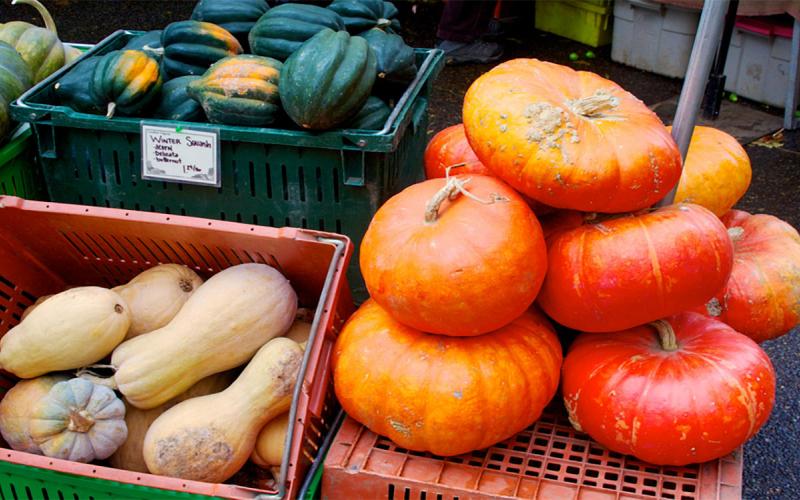
Harvesting and Storing Pumpkins and Winter Squash
The gardening season will soon come to an end, but we can still enjoy pumpkins and winter squash well into the winter months if we take some extra care during the harvest and storage process.
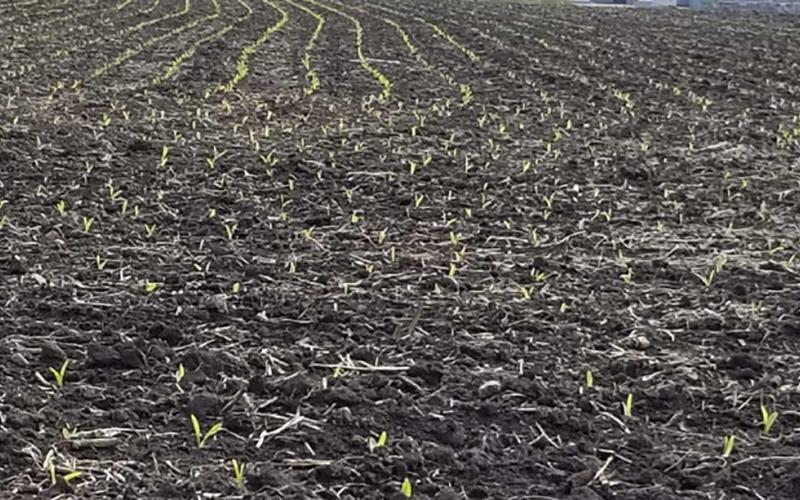
Corn Emergence During Cold Weather
After a very welcome warm and relatively dry April, the month of May has brought winter-like temperatures again to South Dakota. Due to cold and wet conditions, concerns of the cold temperatures have been expressed by producers who have recently planted corn.

What is This Fruit… And is it Edible?
In mid- to late-summer, we often get the questions: “What kind of fruit is this?” and “Is it edible?” To identify a fruit, it is helpful to know both plant and fruit characteristics: Woody or herbaceous plant? Vining or upright? Do the leaves attach to the stem opposite each other (i.e., paired), or do they alternate from one side of the stem to the other? What size and color are the fruit? Is each fruit’s stem attached directly to the twig, or are they in a cluster that attaches to the twig? And, one question I find often helpful in distinguishing among smaller fruits, does it have a single pit, or are there several seed in each fruit?
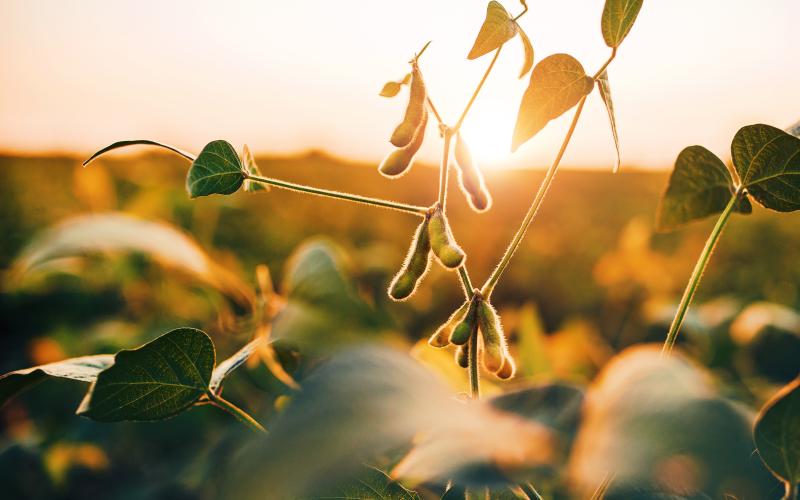
Best Management Practices for Soybean Production
This is your unbiased, research-based guide to soybean production to help increase yield, reduce input costs and protect your investment.