Search
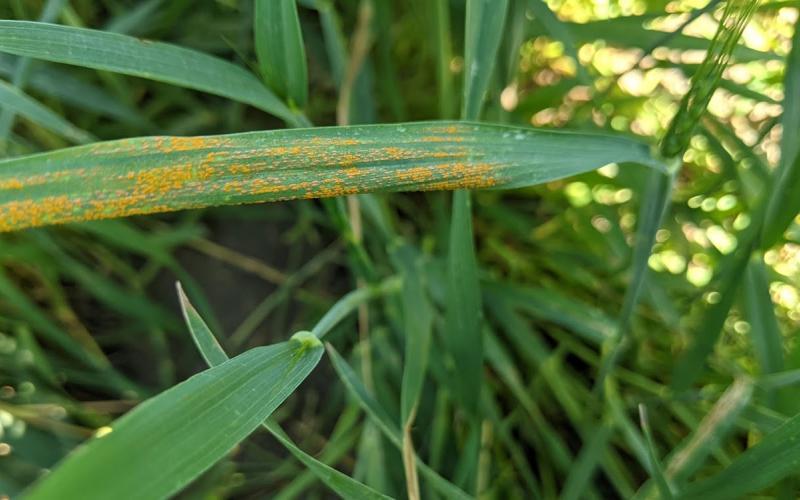
Stripe Rust Starting To Develop in Winter Wheat
Stripe rust was found in a few winter wheat fields scouted this week. The presence of a few plants with stripe rust indicates there is inoculum of this pathogen in the state.
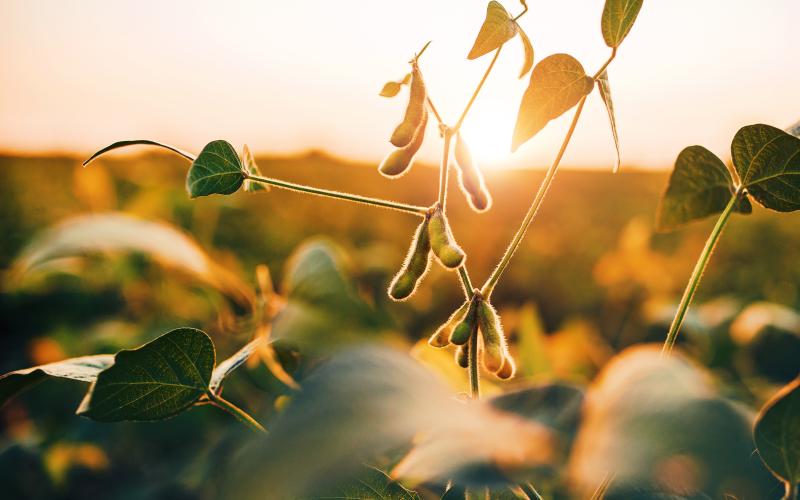
Next 'Notes from the Field' Webinar to be held June 4
June 01, 2021
South Dakota growers and agribusiness professionals are invited to join soybean research and Extension specialists from land-grant universities across the country as they host the monthly webinar series, "Science for Success: Notes from the Field."
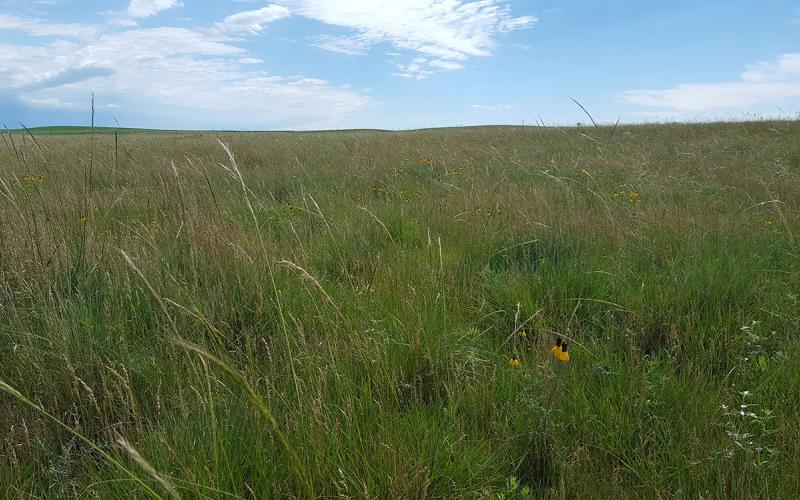
Grassland Fertilization: Ecology
In the first article in this series, we discussed basic terminology and economics. This article focuses on the ecological impacts of fertilization in various grassland plant communities, including native rangelands and prairies.
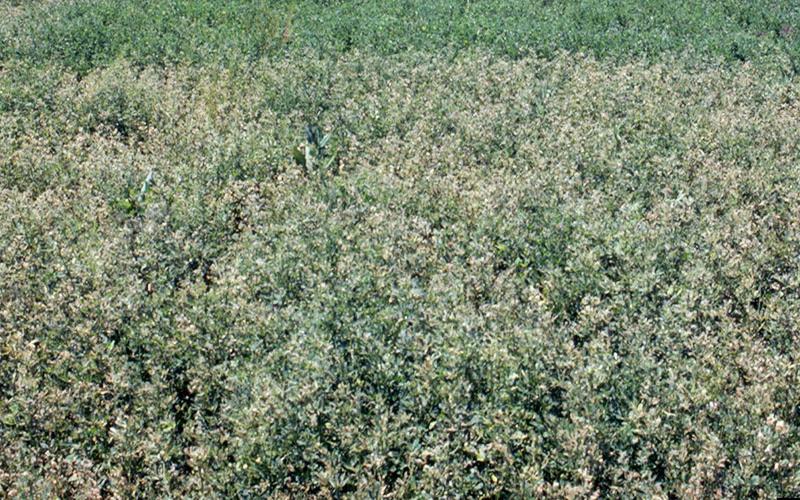
Why’s My Alfalfa Field Turning White?
There have been a lot of reports of alfalfa fields in South Dakota with a white or light-brown canopy. This discoloration is the result of extensive alfalfa weevil larvae feeding.
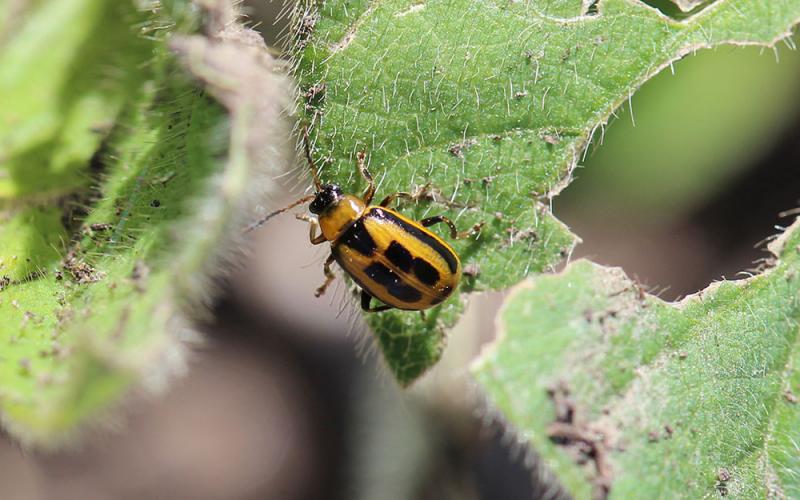
Overwintering Population of Bean Leaf Beetles Are Active In Soybean
While scouting soybeans this week, extensive defoliation caused by bean leaf beetles was observed. Although insecticide seed treatments will reduce the threat of bean leaf beetle feeding during this time of the season, soybean fields should still be scouted.
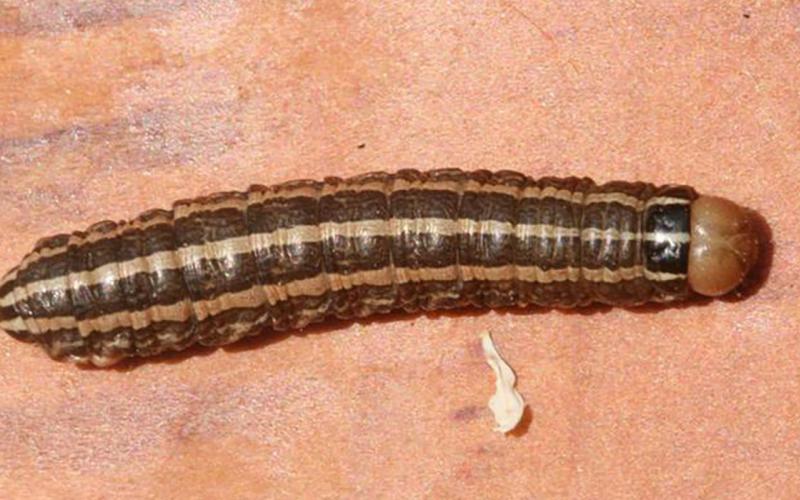
Bronzed Cutworms Are Active
Bronzed cutworms can damage turf by clipping blades of grass close to the soil surface. Feeding by bronzed cutworms in lawns will result in small, brown circular patches, and large populations can result in extensive lawn injury.
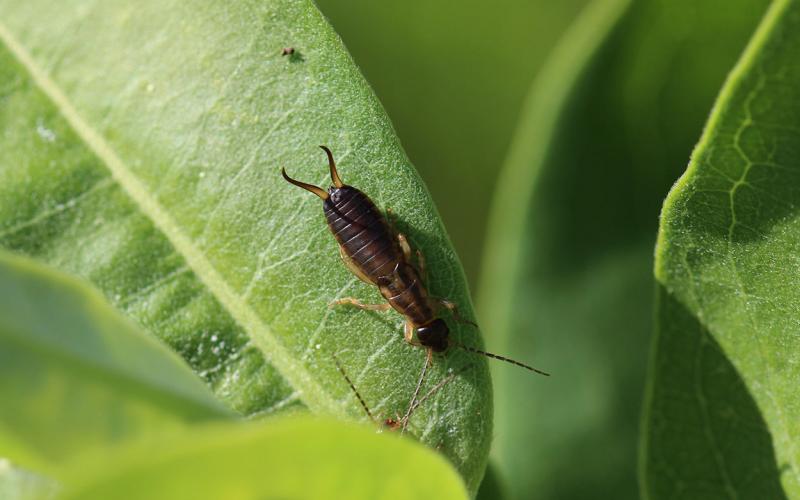
Earwigs Are Active
Although earwigs typically prefer wet conditions, quite a few have been observed so far this year. It’s important to remember that watering lawns or potted plants around the house provides ideal earwig habitat.
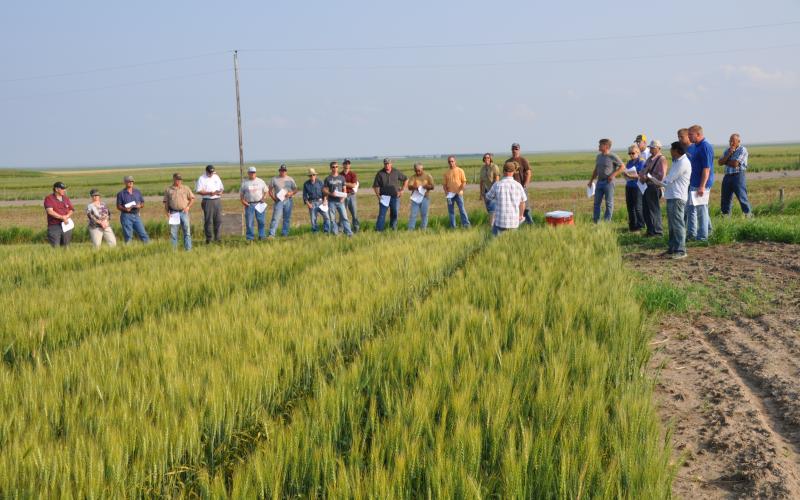
SDSU Extension to Host Small Grain Variety Tours
June 08, 2021
On June 17, South Dakota State University Extension will kick off its annual statewide Small Grain Variety Tours in Ideal.
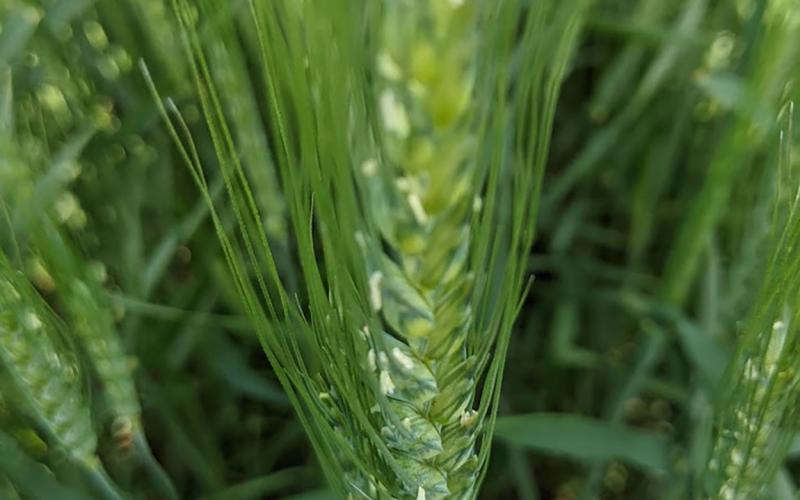
Use Fusarium Head Blight Risk Prediction Tools for Better Disease Management
Winter wheat has reached the flowering growth stage, which is a time of high risk for Fusarium head blight. By using disease prediction tools correctly, a producer can protect wheat from infection by applying a timely fungicide when the tools show moderate to high risk.
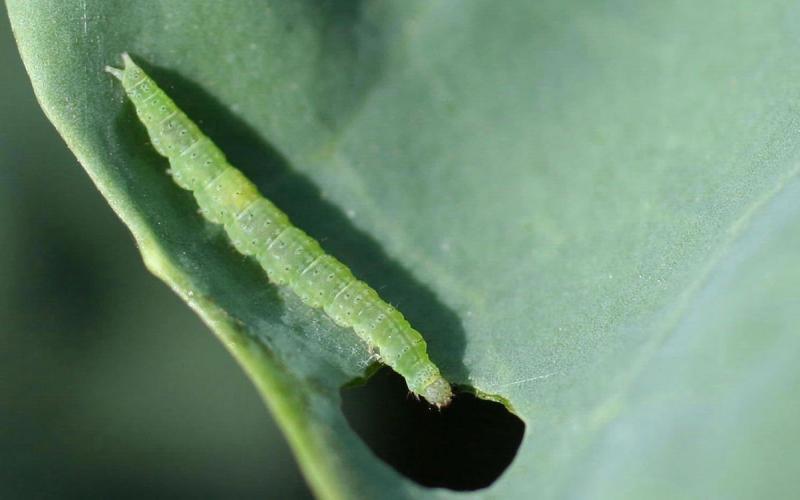
Diamondback Moth Caterpillars Active In South Dakota
Diamondback moth caterpillars have been observed in South Dakota gardens. These pests feed primarily on cole crops, such as broccoli, Brussel sprouts, cabbage, cauliflower and kale, leaving behind irregular-shaped holes.