Search

What is an Ultra-Filtered Milk Product?
Milk products made using ultrafiltration offer higher contents of valuable components, such as protein and calcium.
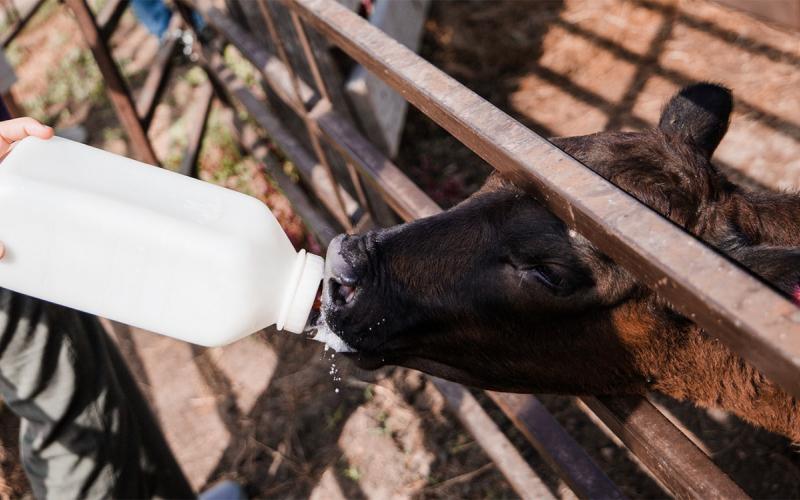
Managing Orphaned Calves
With careful management and proper nutrition, calves orphaned by challenging winter weather can perform similar to calves still on the cow.
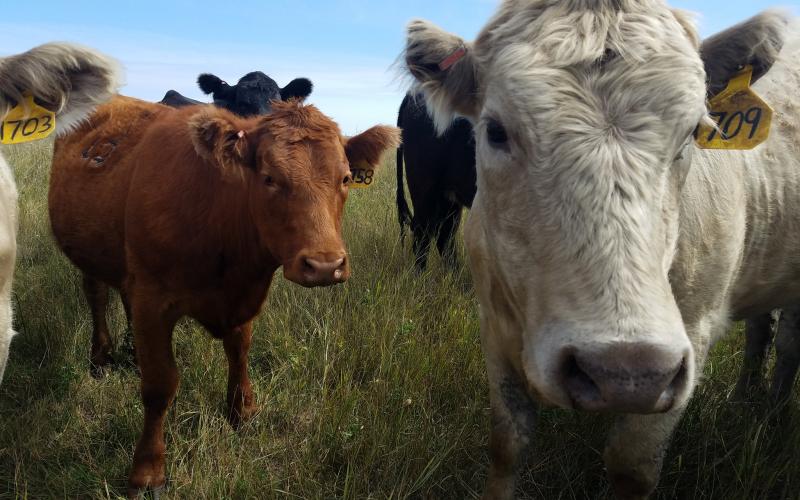
Feeding at the Right Price
Managing feedstuffs efficiently becomes more important during drought conditions or low revenue years.
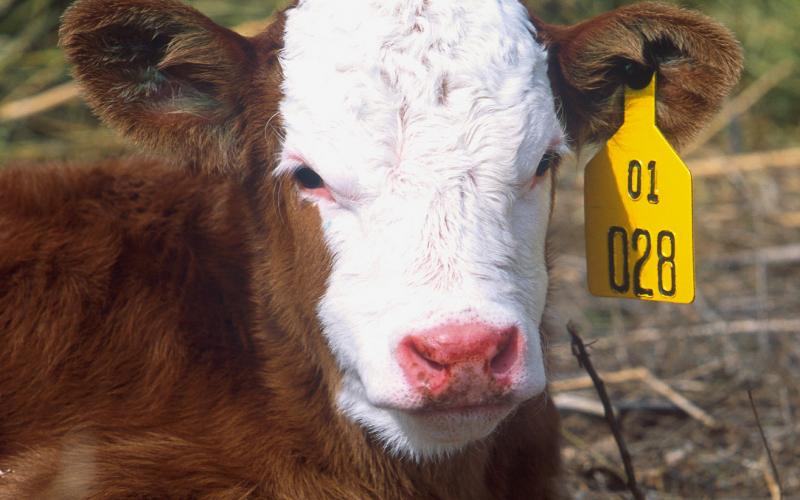
Economic Considerations for Early Weaning
There is an excellent reason why ranchers use early weaning as a drought management tool: Weaning calves early reduces the amount of feed required to maintain the cow.
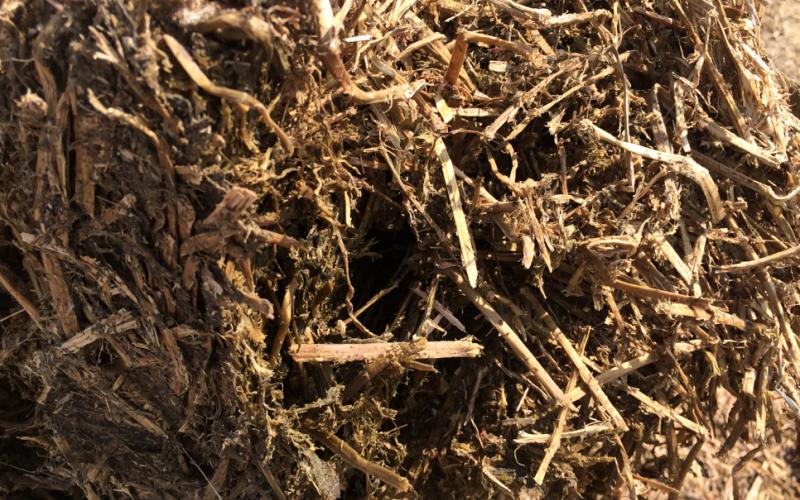
Minimizing Hay Storage Loss From Heating or Fires
Successful hay storage is essential to preserving high quality forage, while ensuring desired performance from livestock and deterring economic losses from unwanted hay storage fires.
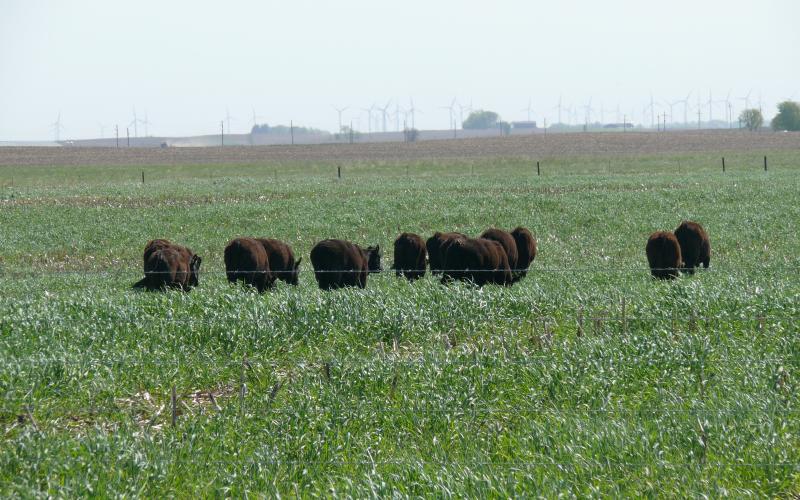
Cover Crops & Livestock Integration: A Profit Opportunity for S.D. Farms
Cover crops have been gaining a reemerging acceptance over the last decade, with very few producers disagreeing about the potential soil health benefits of adding cover crops to their farming operation.
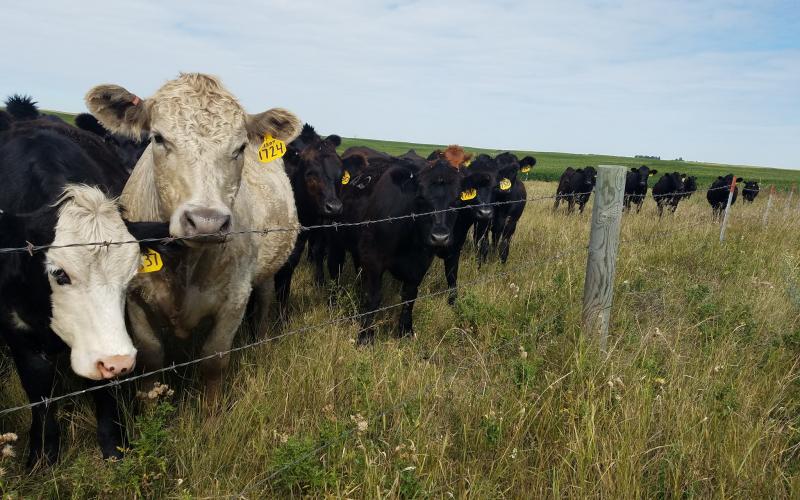
Cows Eat Weeds
By utilizing grazing as a means of cultural control, producers have the potential to decrease input expenses while reaping the benefits of inexpensive weed control through animal nutrition.
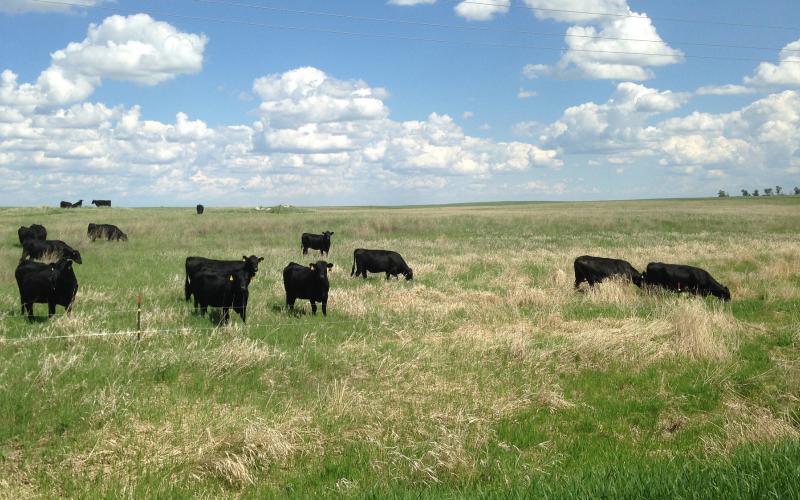
South Dakota Grazing Management Practices: Current & Future
Grazing land occupies 54% of rural land and accounts for a key portion of land use in South Dakota. Many grassland problems can be avoided by using efficient grazing management practices.

Financial Record Keeping Software: A comparison of Quicken and QuickBooks
As fall nears many producers are beginning to gather their records to prepare for taxes. From these records many important operating decisions are made. Agriculture producers often use computer software to keep financial records. While there are software packages tailored for farm and ranch businesses, many producers successfully use general commercial software such as Quicken® or QuickBooks®. Both products can be useful for an agricultural producer’s record keeping. The question which often arises from producers is, “which one do I need”?
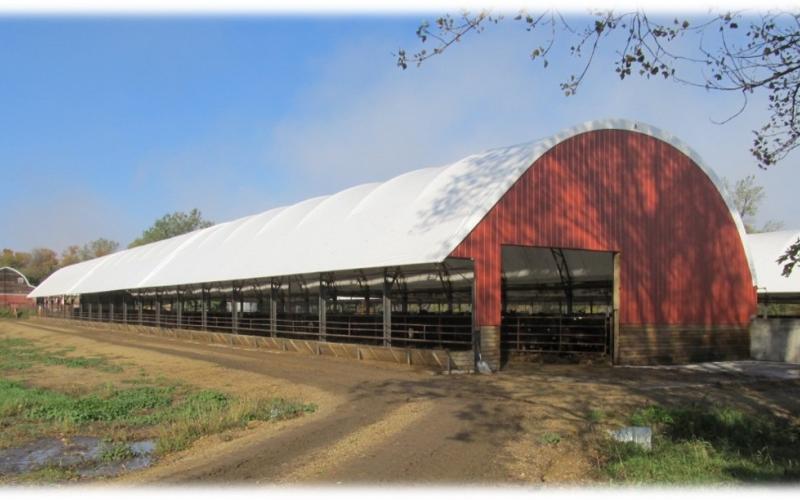
Cattle Confinement Facilities: Management Considerations
Confinement barns provide some advantages to both the animals and caregivers compared to outside pens or pasture systems.