Search
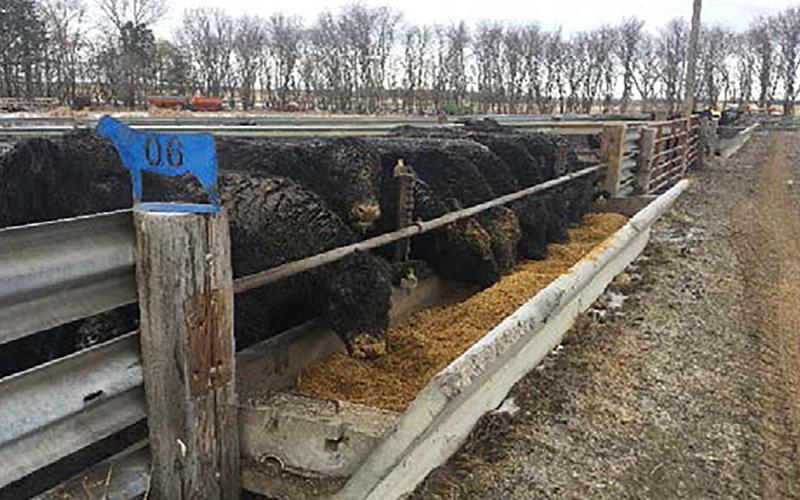
Case Study: Effect of Adding More Concrete to Open Pens
Mud caused by excessive precipitation dramatically reduces cattle performance. Pouring additional concrete and working on improving pen surfaces are approaches that can improve poor-weather performance in an open yard.
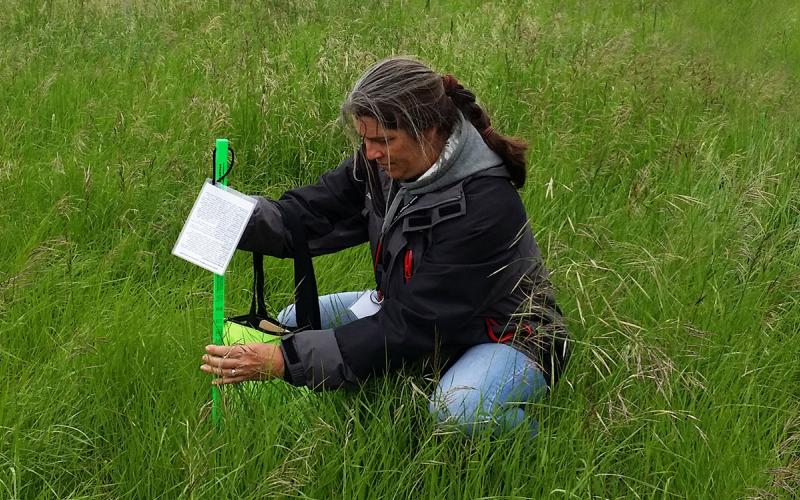
Using the ‘Grazing Stick’ To Assess Pasture Forage
Assessing pasture forage is a key step in planning grazing strategies. A grazing stick is a tool that uses simple math and measurements to determine herd size, stocking rates and available grazing days. We will address how to use a grazing stick in this article.
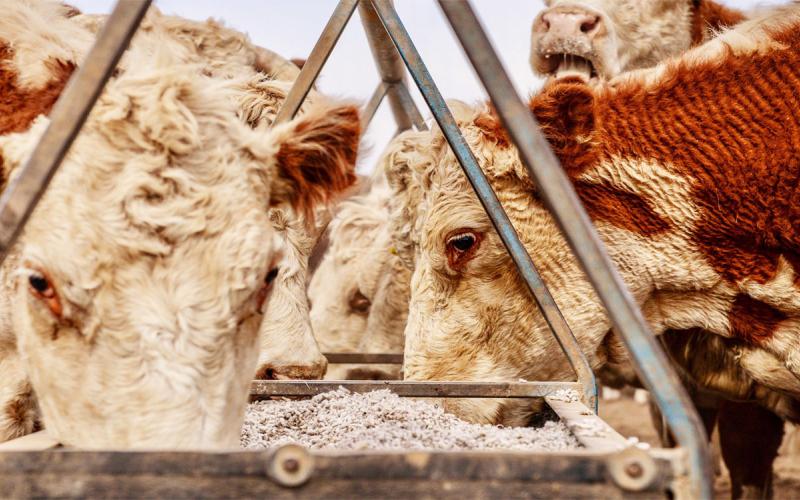
Livestock Tools for Managing Through Drought
As drought conditions continue, ranchers are faced with making some difficult decisions. South Dakota State University Extension offers multiple tools and resources that can be used to help make the best management decisions for your operation.
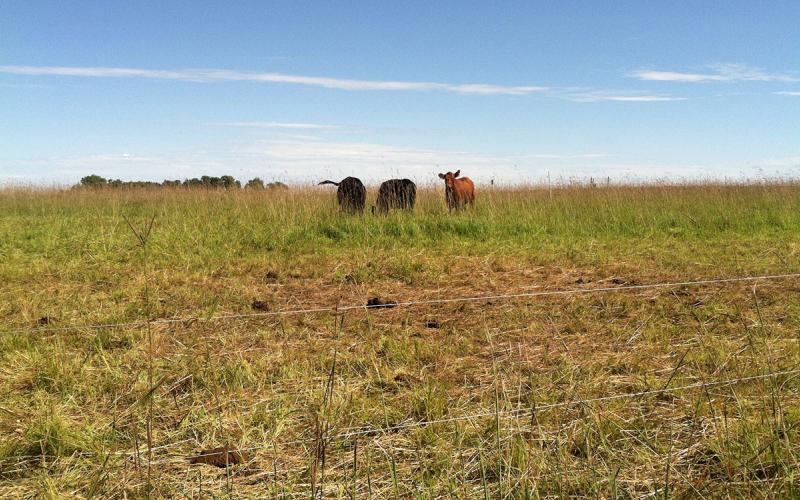
Grassland Fertilization: Native Grass Planting Case Study - Codington County
Management goals of planted grasslands are an important driver in the consideration of whether fertilizer applications will be beneficial or harmful. Here, we will discuss various plant communities and the impact of fertilization on each.
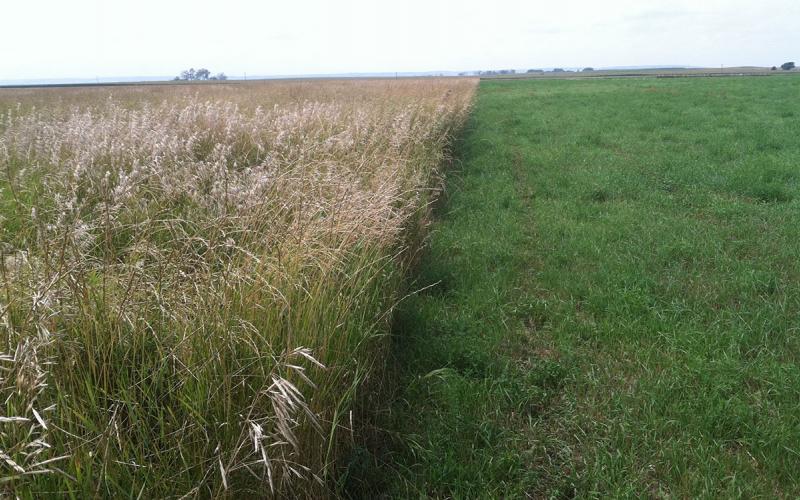
Grassland Fertilization: Exotic Grass Planting Case Studies - McPherson and Jerauld Counties
Our previous installment of this series discussed the effects of fertilization on native grassland plantings. This last installment addresses the options for fertilization on low-diversity exotic grassland plantings.

Calving Apps: Beyond the Barn
There are many calving apps available for smart phone users, and finding the right one can be challenging. Learn some expert tips on selecting the right one to accomplish your operation's goals.

Extend the Grazing Season With Cover Crops
When hay prices are high, extending the grazing season is key. Grazing cover crops in the fall and spring can extend the grazing season and reduce feed costs.

Test Emergency Backup Systems in the New Year
Animal care starts with having confidence in facilities and ventilation systems that safeguard health in all weather conditions. Testing emergency backup equipment at the start of a new year is a good preventative practice.
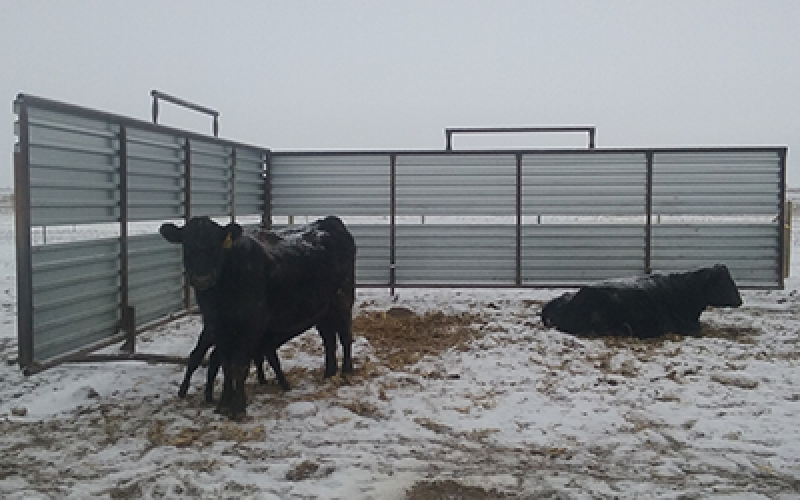
Cold Weather Management Options
Winter weather conditions impact cattle as well as the cattle producers. Cold temperatures combined with wind creates more stress and increased management to achieve similar animal performance.
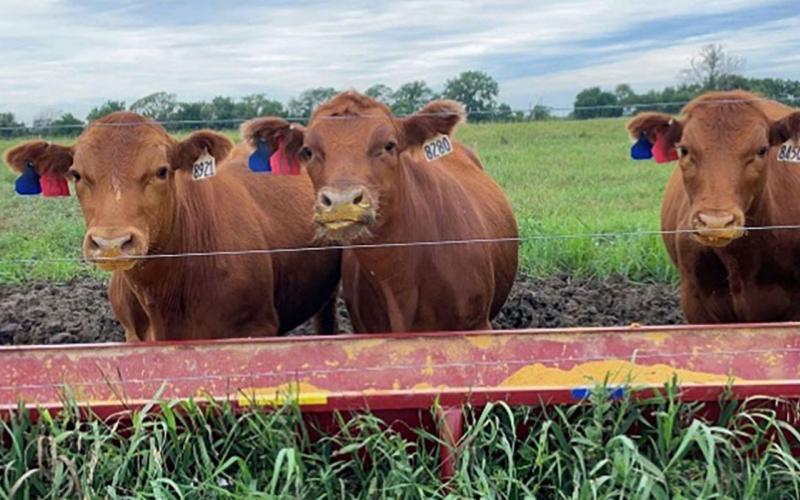
Distillers Supplementation Strategies for Grazing Yearlings
Providing a high-protein supplement to yearlings during the grazing season may increase final body weights and average daily gain compared to not providing supplement. The frequency of supplementation comes down to economic and logistical viability.