Search
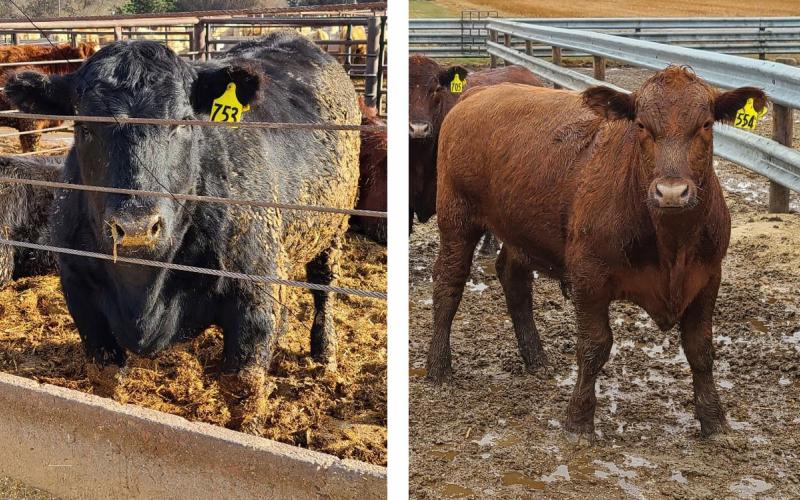
Raising Freezer Beef: When Is the Animal Finished?
Many producers have had their own beef processed for years, and some may have been selling animals to their neighbors on occasion. It's another matter entirely when the objective is satisfying customer expectations, especially if finishing cattle hasn't been a normal part of your operation.
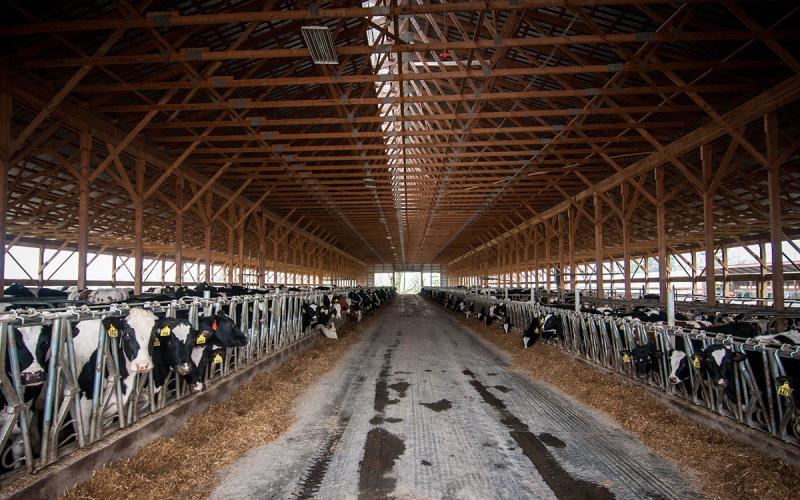
Dairy Production in South Dakota: Growth and Consolidation
Research has found continued growth in dairy production in South Dakota over the past two decades, with most growth concentrated in large operations in Eastern South Dakota, indicating a trend of consolidation with large farms in concentrated regions.
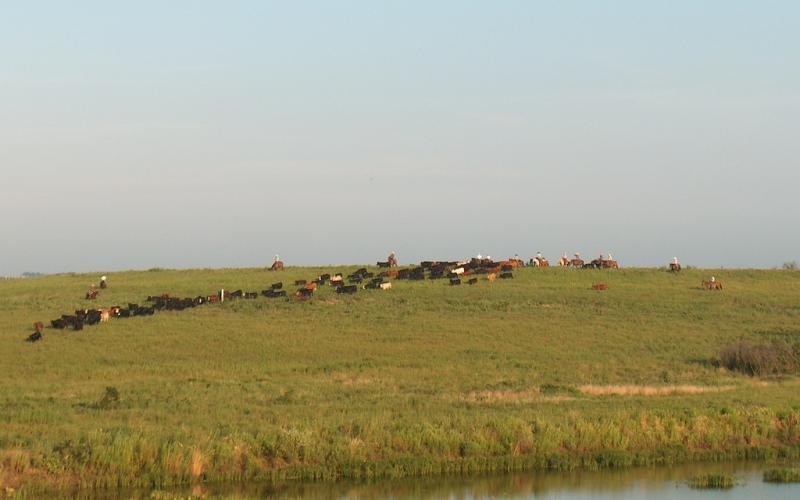
Cow Share Agreements
Getting started in the cattle business can be tricky for beginning cattlemen due to the amount of capital investment needed upfront.
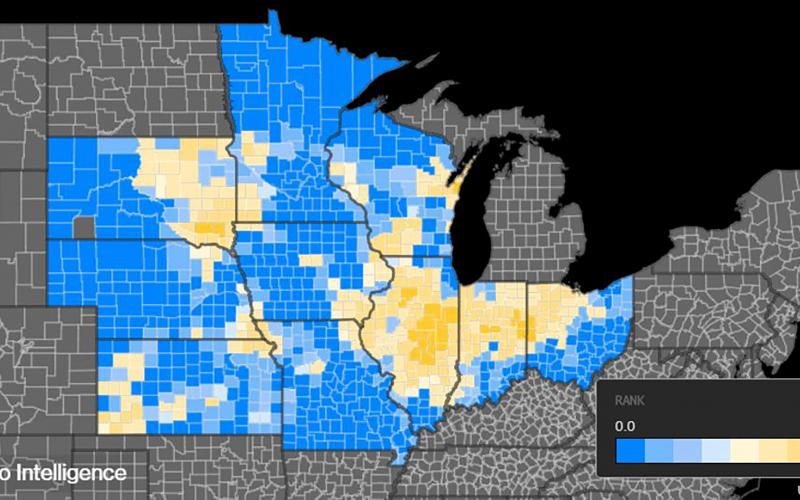
Stretching Corn Silage Supplies
During the 2002 drought there was a need to stretch corn silage supplies as a result of the drought that affected the U.S. Now we deal with the opposite scenario, where excessive spring rains have not allowed farmers to get to the fields. In both situations livestock producers face challenges.
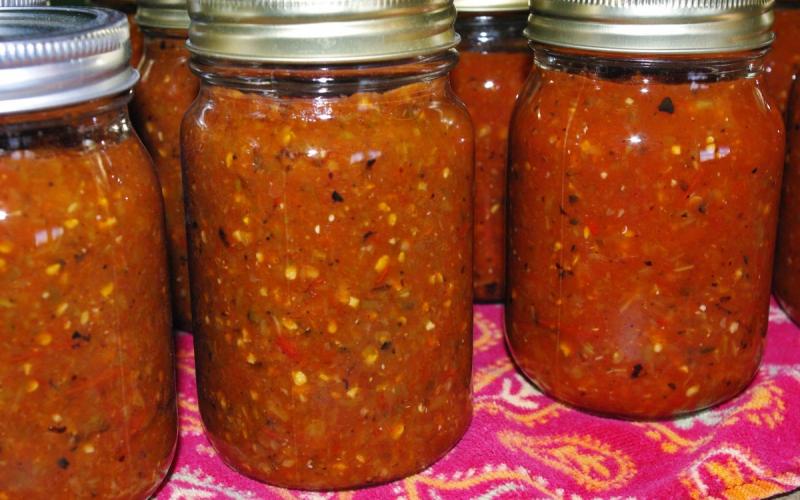
Canning Tomato-Vegetable Mixtures
Tomatoes are unique when it comes to home canning recipes. Some tomato and vegetable recipes recommend using a boiling water bath canner, some recipes recommend a pressure canner, and some recipes offer both options.
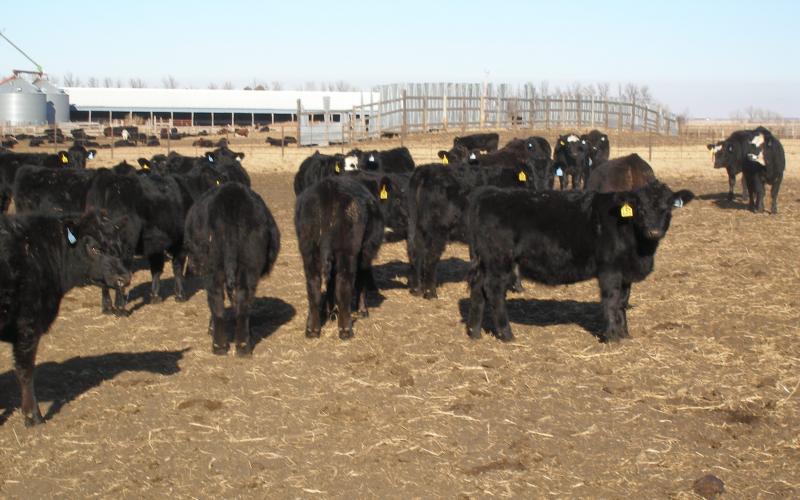
Choosing the Right Custom Feeding Partner
Custom cattle feeding can be a “win-win” strategy when done correctly. Feeding someone else’s cattle provides a method to market feedstuffs without tying up the capital required to own the livestock.

Hormones in Beef: Myths vs. Facts
Confusion and concern often surround the use of hormones in beef production. It's important to understand that hormones are naturally occurring in cattle, and if they were eliminated completely, the animal could not survive.
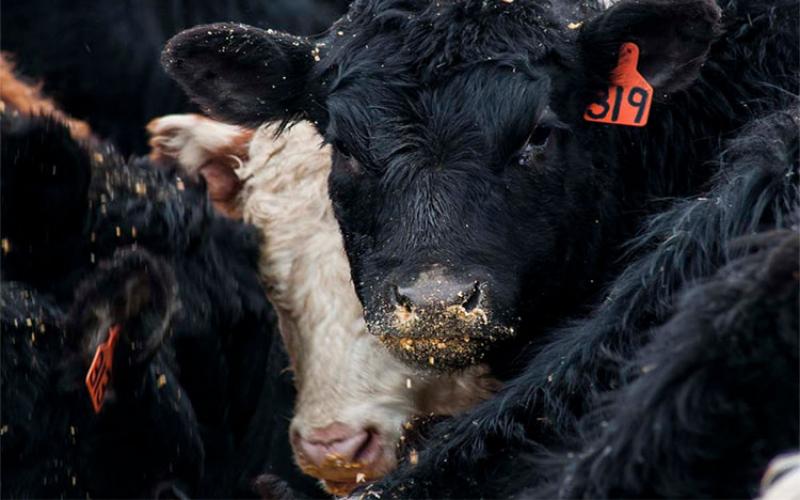
Calf Value Discovery Program
The Calf Value Discovery Program enables cow-calf producers to assess the value of their cattle in value-based marketing systems and gain valuable carcass and feedlot performance information to aid in management decisions and improve profitability.
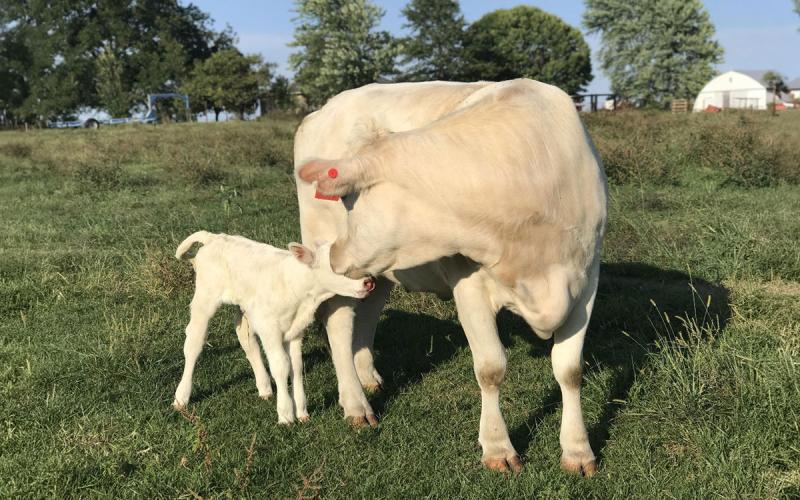
Strategic Culling During Drought Can Strengthen Ranch Profitability
In today’s cattle market, thoughtful culling decisions can provide a dual benefit, generating immediate income from strong cull cow prices while reducing the number of animals to feed during periods of high feed costs and drought stress.
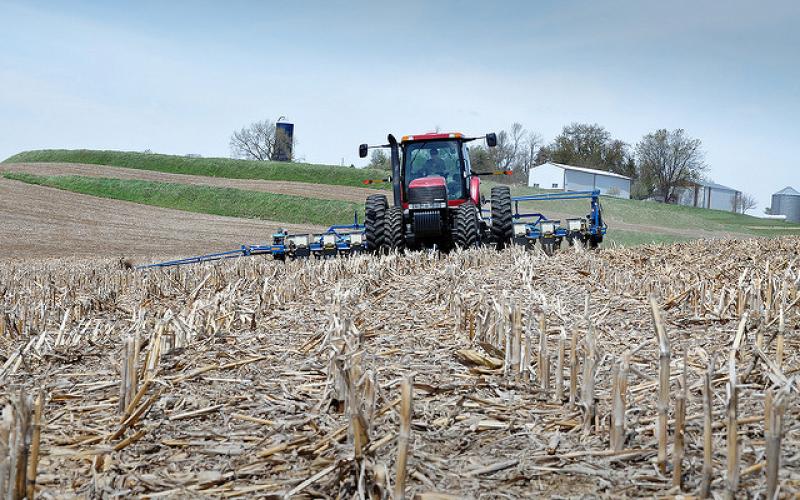
Project to Study Soil Health Economics in South Dakota
Soil degradation has become one of the most pressing global issues, because of its adverse effects on world food security, environment and quality of life.