Search

Bookwork, The Missing Management Component: Consistency of Financial Records
Consistent record keeping will allow for accurate ratios and trend analysis. While operations will change, grow, or contract, having a standard operating procedure will allow for analysis and decision-making.
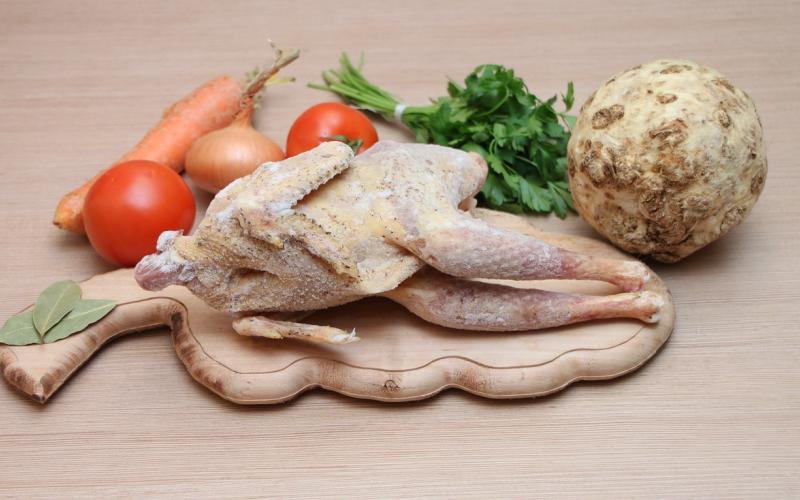
Selling Poultry at a Farmers Market in South Dakota
Poultry exemptions can be difficult to interpret. This article was developed to address some of the questions small growers may have regarding poultry exemptions for selling at the farmers market in South Dakota.

Guidelines for Serving Samples at the Farmers Market
One way to increase sales at the farmers market is to offer samples. Vendors need to plan ahead to make sure they are in compliance with sampling regulations.
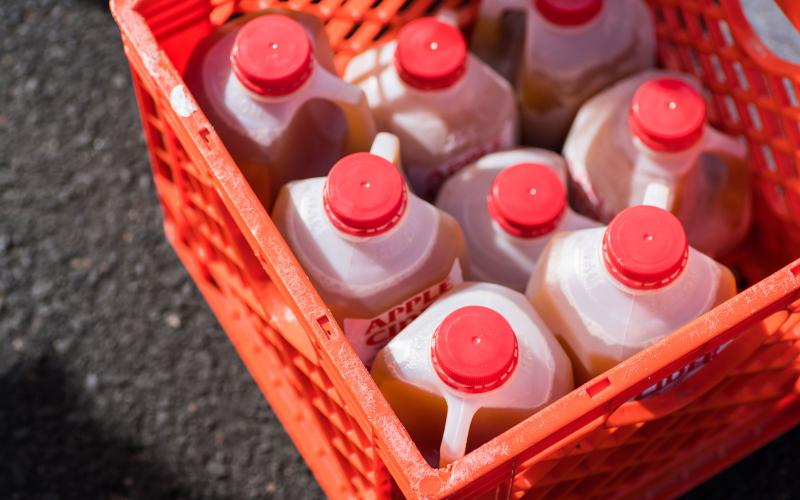
Direct Marketing of Fruit and Processed Fruit Products by Growers and Food Processors at Farmers Markets Within the State of South Dakota (Intrastate)
Growers and food processors that market fruits at the farmers market often have questions regarding the regulations for selling fruit products. The regulations are in place to address the food safety risks associated with different fruit products and the manner in which they are marketed.

Decisions for Farmers Market Setup and Operation
Farmers markets are unique because they represent multiple, individual vendors under a single name, location and organizational identity. Before the first selling day, a farmers market will need to do many of the things that each vendor does for their farm. For example, selecting a name and creating a logo for the market.
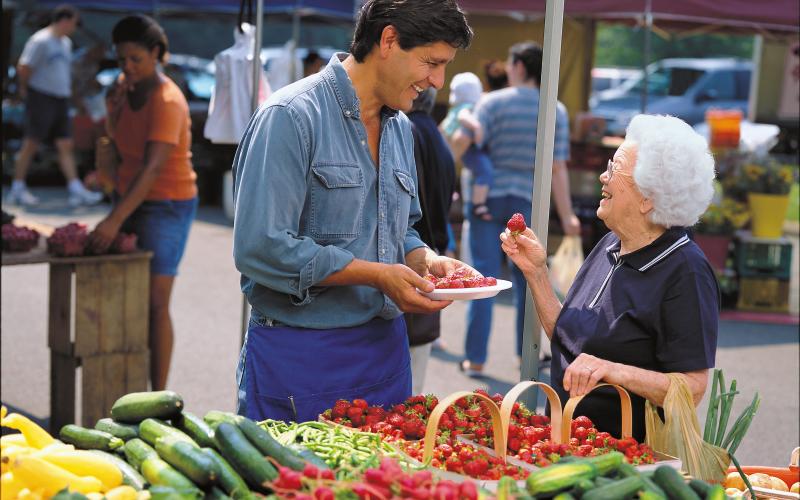
Food Safety from Production to the Farmers Market
Food safety is an important issue at farmers markets. Customers expect the food and products they purchase to be grown and handled so that they will be safe to consume. Vendors have a responsibility to grow and handle food using good food safety practices.
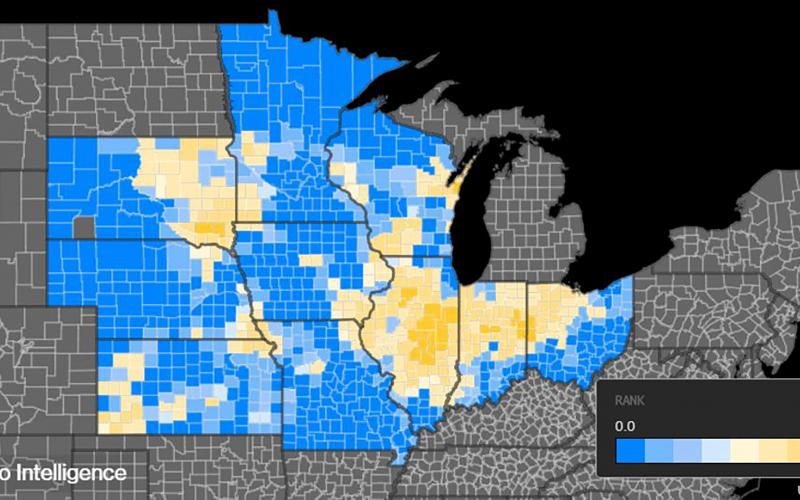
Stretching Corn Silage Supplies
During the 2002 drought there was a need to stretch corn silage supplies as a result of the drought that affected the U.S. Now we deal with the opposite scenario, where excessive spring rains have not allowed farmers to get to the fields. In both situations livestock producers face challenges.
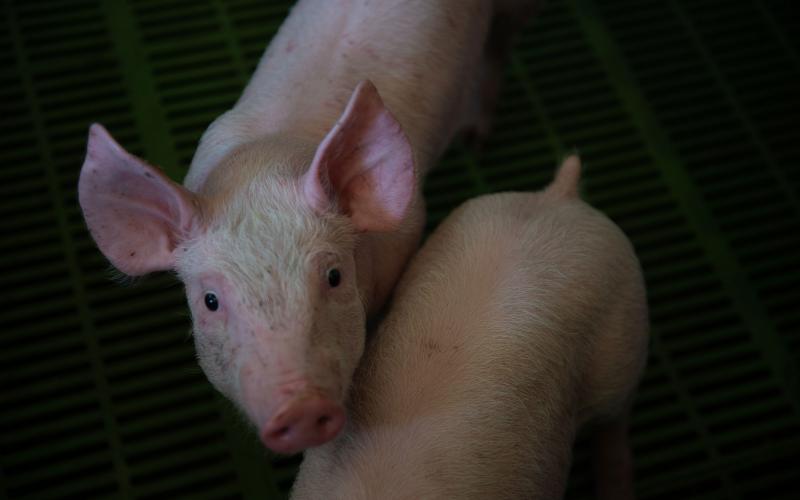
Creating a Secure Pork Supply Plan
African Swine Fever and preparing for foreign animal disease outbreaks is at the forefront of people’s minds. Your state animal health officials offer guidance for participating in the Secure Pork Supply (SPS) Plan. Let’s take a closer look at the critical steps in developing a personalized SPS Plan for Continuity of Business.
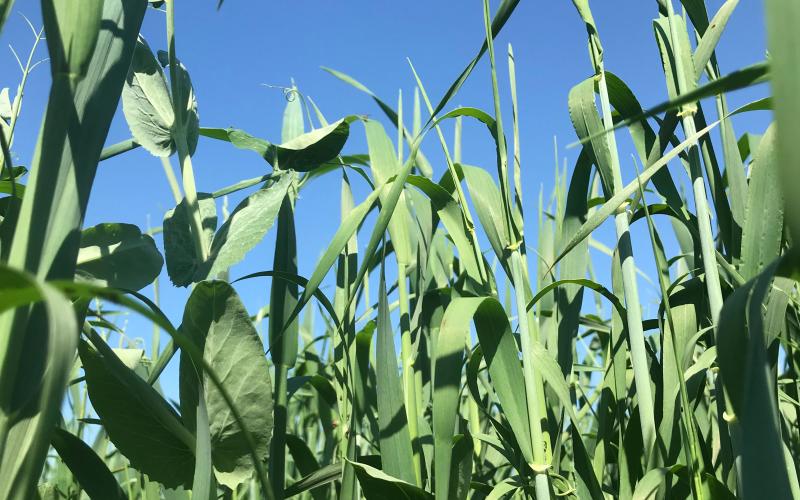
Buying or Selling Oats for a Cover Crop? Be Sure to Follow the Rules
As a challenging 2019 row crop planting season wraps up in South Dakota, many producers are looking to plant cover crops on unplanted acres. One popular cool-season grass cover crop is oats. Most oats in South Dakota are grown as certified varieties, and it is important to be aware of the legal ramifications behind purchasing oat seed for use as a cover crop.
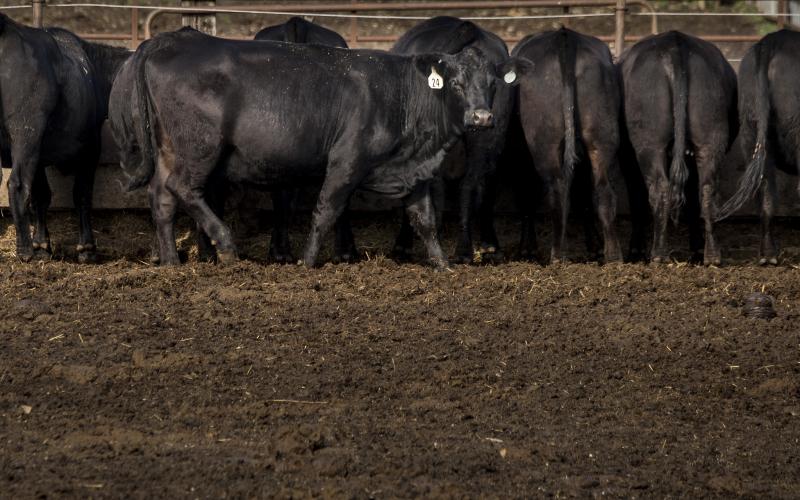
Do Temperament and Breed Type Play a Role in Feeding Efficiency and Carcass Quality?
Is there a relationship between temperament and profitability in cattle? A recent study conducted by Texas A&M University took a closer look at the impacts that temperament and breed types can have on feedlot growth performance, feed efficiency, feeding behavior, carcass characteristics, and value in finishing beef heifers.