Search
Grain Merchant and Processor Consolidation, Concentration, and Competition
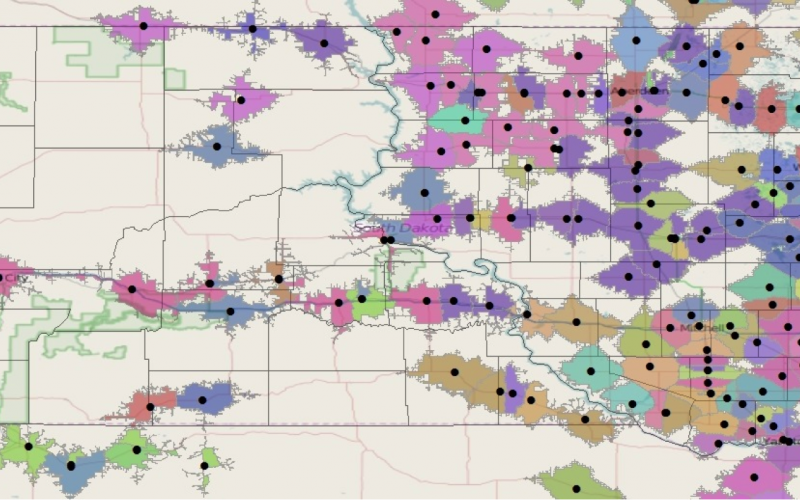
A general trend in the last century has been for greater consolidation among Grain Merchants and Oilseed Millers and Processors. The U.S. Census Bureau tracks the number of firms and/or establishments and value of sales (market size) by industry sector every 5 years as a part of the Economic Census. In addition to the number of firms and sales, the Census Bureau publishes concentration ratios for each sector. One concentration ratio they publish is the amount of sales attributed to the four largest firms in that sector. The percentage of sales of the 4 largest firms is a measure that aids in identifying the type of market structure that exists.

Livestock Loss Assistance Available
Has your operation experienced a sudden catastrophic loss of livestock due to weather? Financial assistance may be available through the USDA Livestock Indemnity Program.

Should We Sell Corn Stalks?
Grazing and baling corn stalks can offer producers financial and agronomic benefits, and also provide feed resources for cattle producers. Learn how to determine if it's the right decision for your operation.
Economic Impact of the Beef Industry on South Dakota
The beef industry in South Dakota makes a significant contribution to economic output and development in the state. As of January 1st, 2012 there were 1,610,000 beef cows in South Dakota. These cows produced 1,710,000 calves during the year and the industry produced an estimated $2,283,766,027 in gross income during 2012 (South Dakota Agriculture 2013).
The Cost of Late Calvers
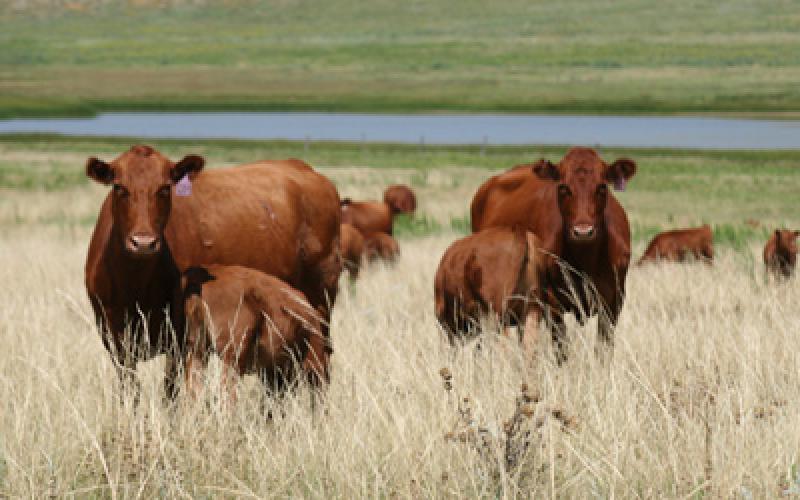
Pounds of beef sold is a key number for cattlemen. Late calvers the cows that drag out the calving season, may cost producers more than extra work and management, they may actually be costing dollars.

SDSU Extension experts win national agricultural association awards
July 30, 2026
South Dakota State University Extension experts were recognized nationally for their excellence in outreach and Extension programming.

Growing Connections: An Organizational Map of the South Dakota Local Food System
Behind every farmer’s market, community supported agriculture share, or local food event is a network of advocates, educators, and organizations that make it all possible. The South Dakota Local Food System map illustrates the organizations that strengthen local food through a variety of roles and functions.
Factors Affecting Wheat Production Decisions: Producer survey findings
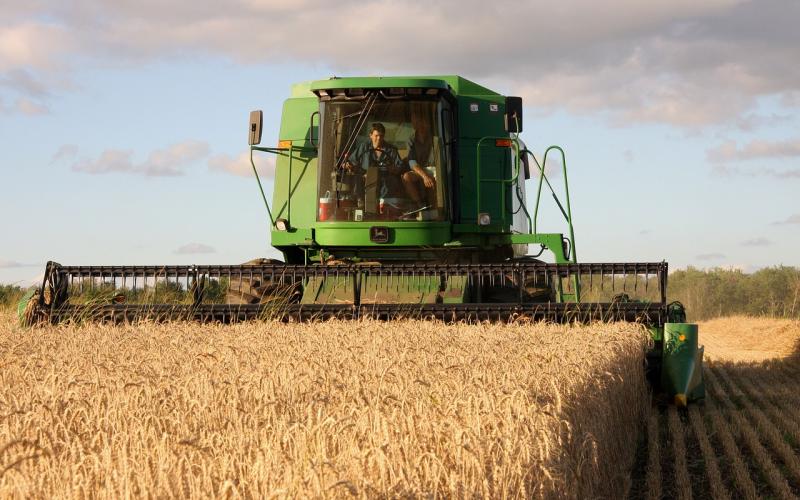
Recent USDA data shows that during the past 3 years acres devoted to wheat production continue declining in both South Dakota and North Dakota (USDA, 2018). South Dakota wheat acres experienced a remarkable decrease of 31.5% during the past 3 years, compared with a relatively mild drop of 16.4% by North Dakota.
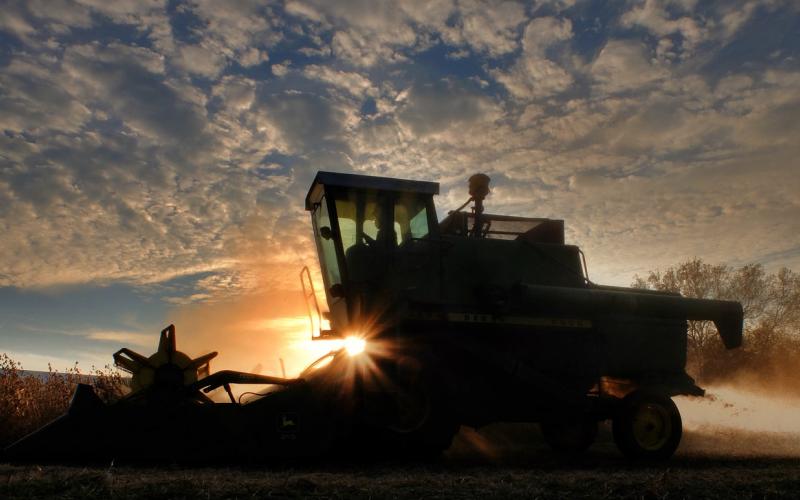
Trade Impacts on Soybeans
Agricultural trade agreements were first established in the General Agreement on Tariffs and Trade (GATT), legal treaty signed initially by 23 nations in 1947. The purpose was to promote international trade by reducing barriers such as tariffs.

Budgeting With an Irregular Income
If you are a business owner, farmer, rancher, earn based on sales commissions, or are seasonally employed, you may not have consistent income from month to month.