Search
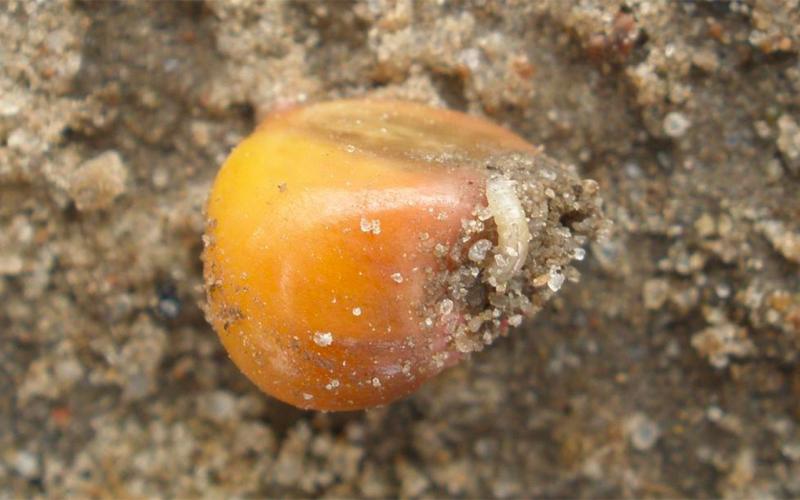
Seedcorn Maggot Degree Day Activity Estimates: June 3, 2021
We are currently between the second and third generation peak emergences in South Dakota. Seedcorn maggot management must be done before planting, or the populations can be avoided by not planting during times of peak emergence.
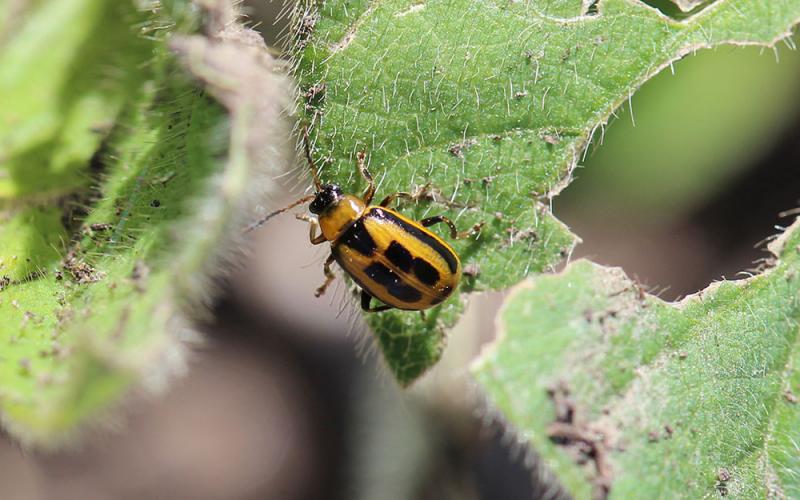
Overwintering Population of Bean Leaf Beetles Are Active In Soybean
While scouting soybeans this week, extensive defoliation caused by bean leaf beetles was observed. Although insecticide seed treatments will reduce the threat of bean leaf beetle feeding during this time of the season, soybean fields should still be scouted.
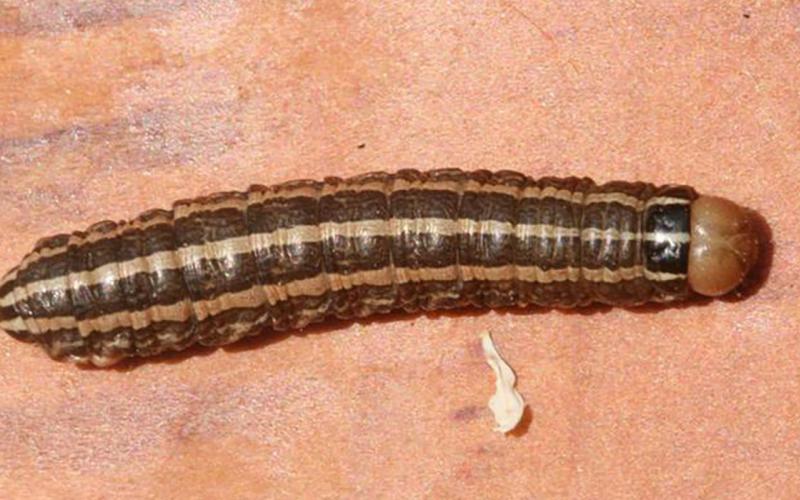
Bronzed Cutworms Are Active
Bronzed cutworms can damage turf by clipping blades of grass close to the soil surface. Feeding by bronzed cutworms in lawns will result in small, brown circular patches, and large populations can result in extensive lawn injury.
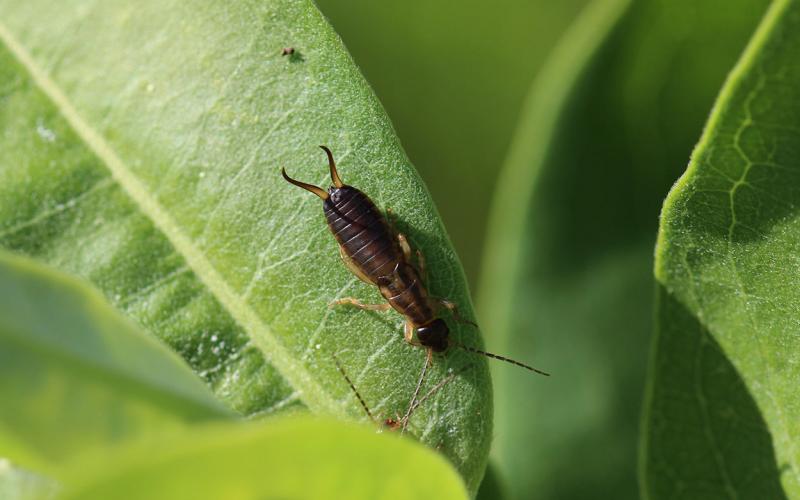
Earwigs Are Active
Although earwigs typically prefer wet conditions, quite a few have been observed so far this year. It’s important to remember that watering lawns or potted plants around the house provides ideal earwig habitat.

Management Goals for Cow/Calf Operations
You can’t manage what you don’t measure, and good management practices begin by taking good records.
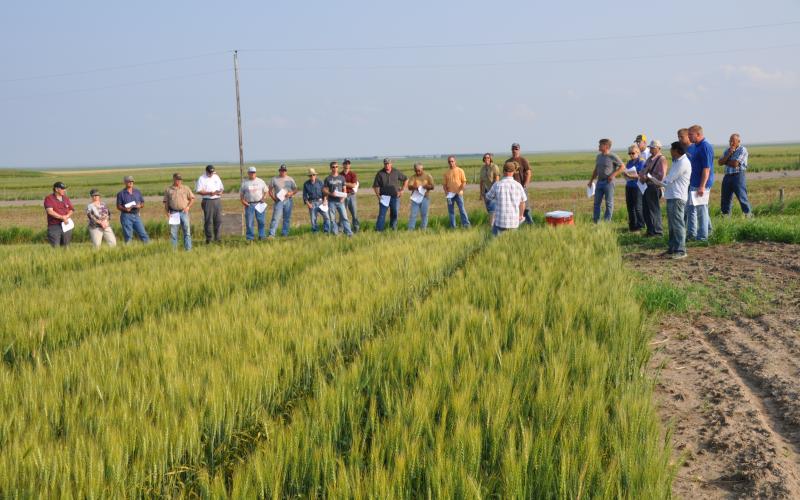
SDSU Extension to Host Small Grain Variety Tours
June 08, 2021
On June 17, South Dakota State University Extension will kick off its annual statewide Small Grain Variety Tours in Ideal.

Qualifying Livestock Forage Program Applications
As drought conditions worsen, livestock producers will find feed assistance from the Livestock Forage Program administered by the U.S. Department of Agriculture Farm Service Agency. Learn how to qualify, apply and certify your application for assistance.
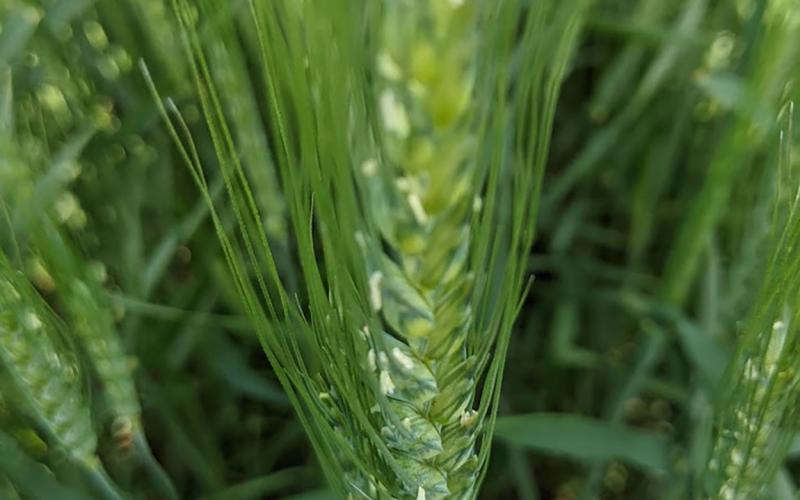
Use Fusarium Head Blight Risk Prediction Tools for Better Disease Management
Winter wheat has reached the flowering growth stage, which is a time of high risk for Fusarium head blight. By using disease prediction tools correctly, a producer can protect wheat from infection by applying a timely fungicide when the tools show moderate to high risk.
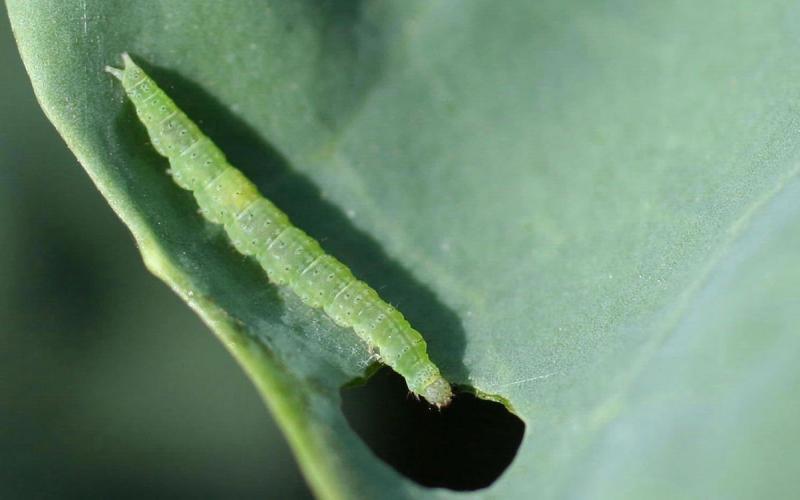
Diamondback Moth Caterpillars Active In South Dakota
Diamondback moth caterpillars have been observed in South Dakota gardens. These pests feed primarily on cole crops, such as broccoli, Brussel sprouts, cabbage, cauliflower and kale, leaving behind irregular-shaped holes.
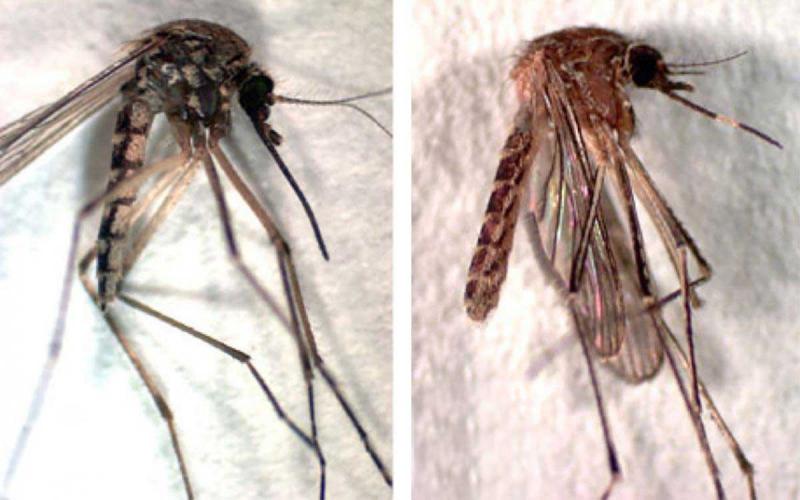
Will Mosquitos Be an Issue During This Summer?
Although it may seem like mosquitos won’t be an issue this year due to drought conditions, it is important to remember that they don’t require large bodies of water to reproduce. Mosquitos can utilize standing bodies of water, small puddles or even stagnant water in containers or old tires.