Search
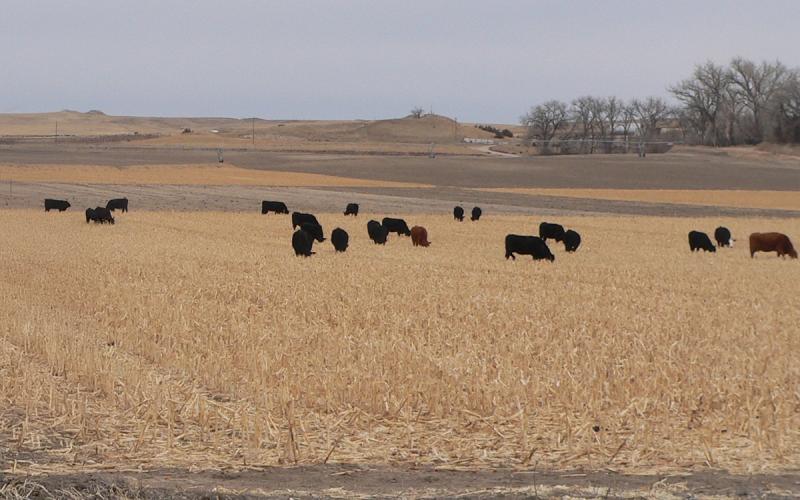
Why Cropland Grazing Now?
The evidence is consistent: cropland grazing delivers measurable economic returns, proven soil health benefits, and growing adoption in South Dakota.
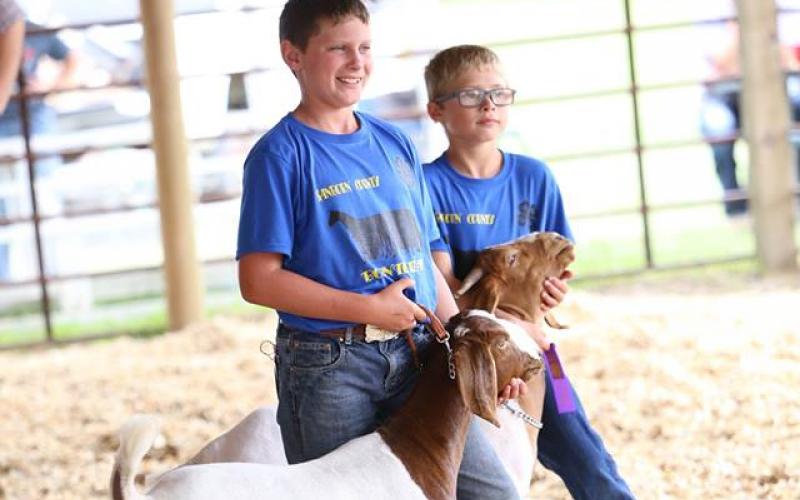
4-H Youth Experience in Animal Projects – Purposes
4-H Youth Development must place an importance on developing “youth experience” versus “contest participation and competition."
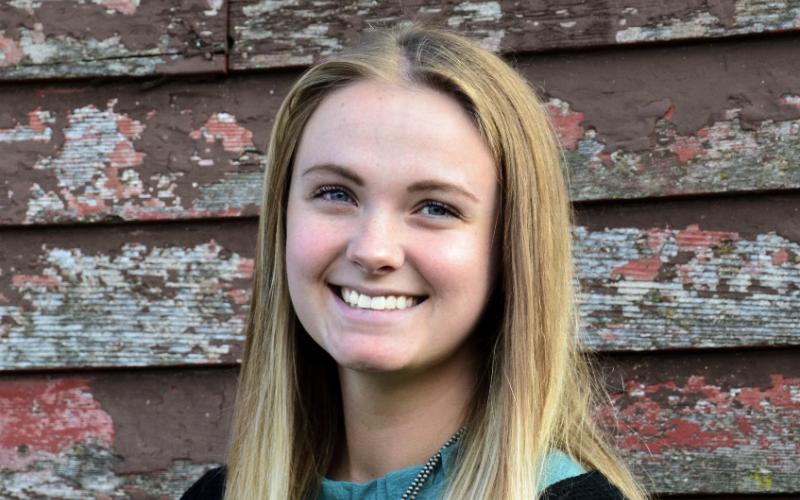
SDSU Extension welcomes new statewide 4-H Livestock Program Manager
September 11, 2023
South Dakota State University Extension is pleased to welcome Sami Nordmann as the new statewide 4-H Livestock Program Manager.
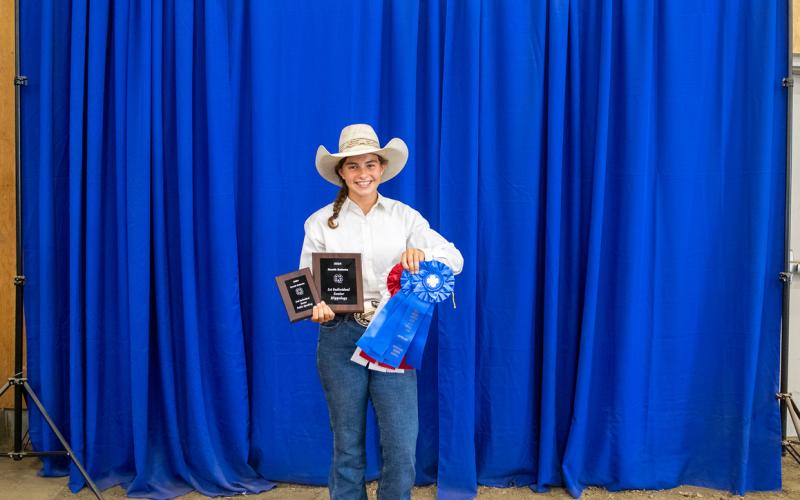
SDSU Extension 4-H recognizes 2024 Premier Exhibitor awards
November 04, 2024
Sixty 4-H members are being recognized for their hard work and accomplishments in the 4-H animal project areas with the Premier Exhibitor Award. The award is divided into four categories: large animal (beef, sheep, swine, meat goat); small animal/dairy (poultry, rabbit, dairy goat and dairy cattle); horse; and dog.
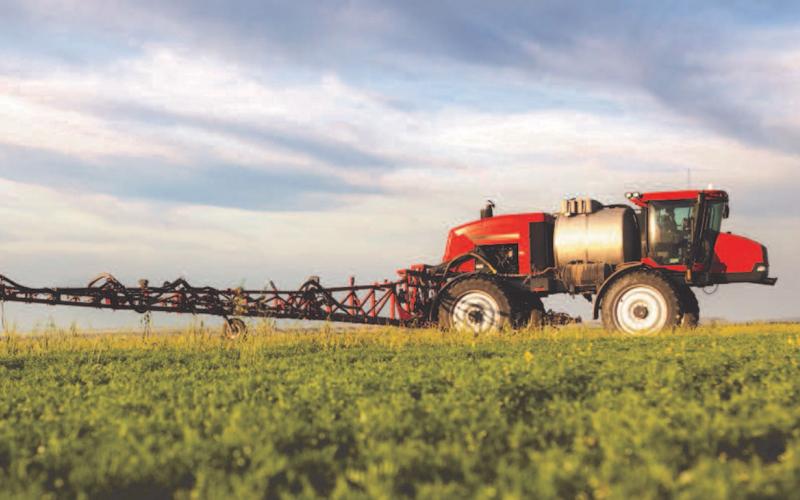
Commercial Applicator Training for Pesticides
Those who apply pesticides for hire or as a government employee that applies pesticides while performing work duties, must have a commercial applicator license.
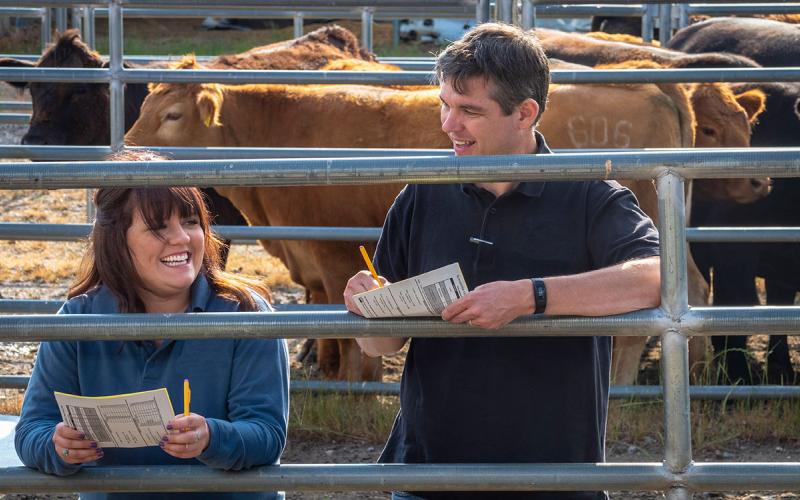
Certified South Dakota BQA Trainers
Certified South Dakota BQA Trainers may assist producers with completing voluntary on-farm assessments. View a list of certified trainers throughout the state to get started today!

SDSU Extension invites operators to CAFO environmental training
November 14, 2025
There will be an environmental training session for operators of concentrated animal feeding operations (CAFOs) on Dec. 3, 2025, at the Crossroads Convention Center in Huron.
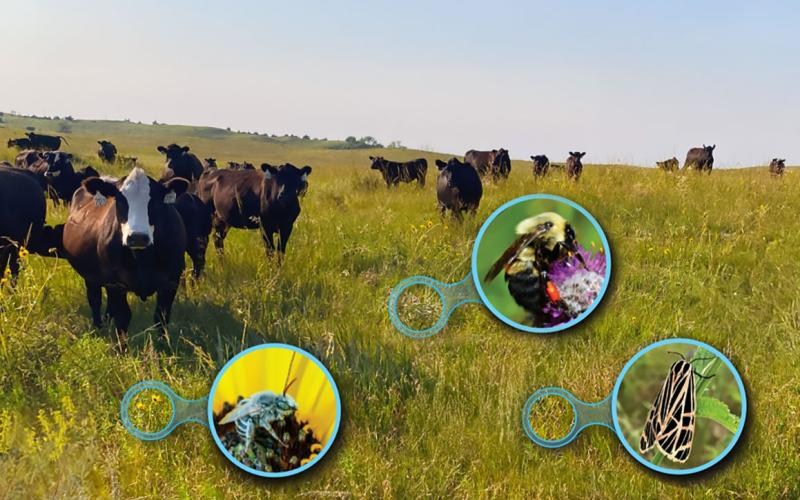
Rangeland Wildflowers: Their Value to Livestock and Pollinators
Native wildflowers and shrubs are critical to providing a wide array of services that increase the resiliency of rangelands, provide pollinator habitat, and contribute to livestock nutrition.
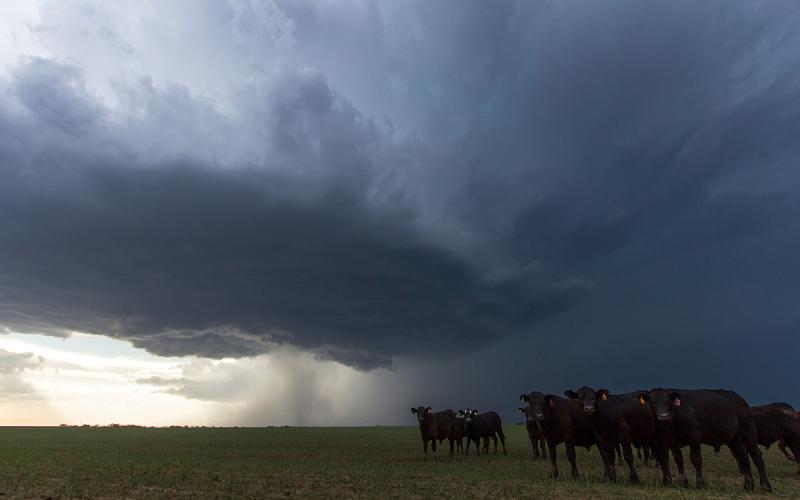
Hail and Bruising in Cattle
Bruising remains one of the leading causes of carcass trimming at harvest. While we can’t control the weather, proactive management can reduce performance losses and protect carcass quality.
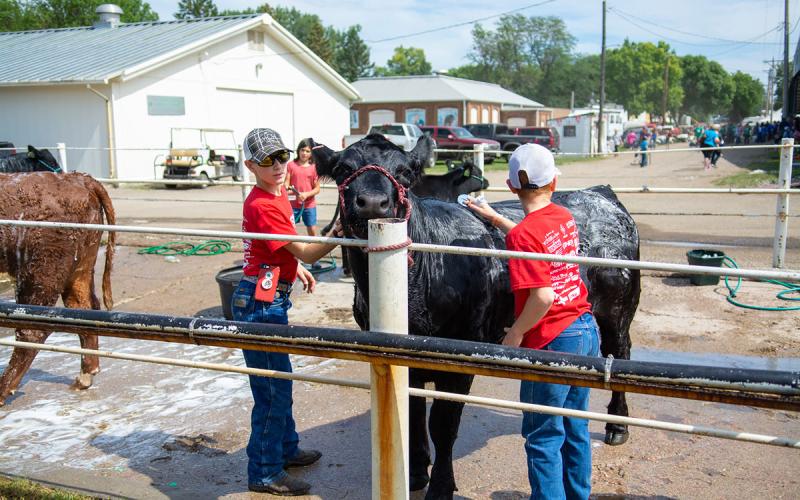
Fair Season Biosecurity
Fairs are a big part of youth livestock programs, but they come with a responsibility to care for animals the right way. With a few extra steps, you’ll be doing your part to keep your animals, your barn, and your community healthy, now and for the seasons to come.