Search
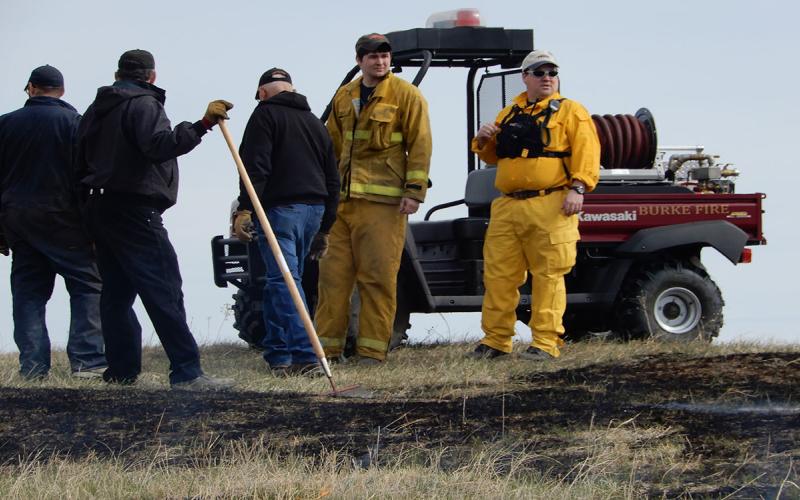
Why Should Fire Departments Help With Prescribed Burns?
From establishing fuel breaks that can contain future wildfires to providing valuable training for fire department volunteers, learn some of the many benefits of involving your local fire department in a prescribed burn.
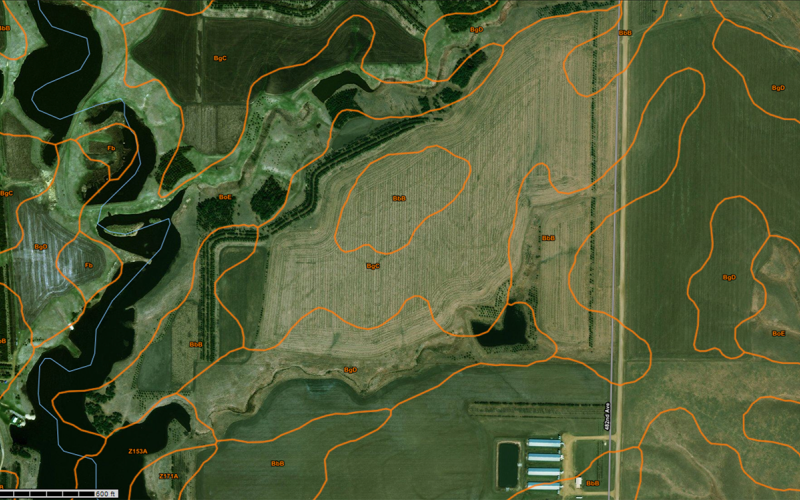
Precision Agriculture and Zone Management
Precision agriculture tools can address the variations in a production system to enhance plant growth and crop yield. Zone management controls the variable rate of inputs for optimal performance within a defined field zone.
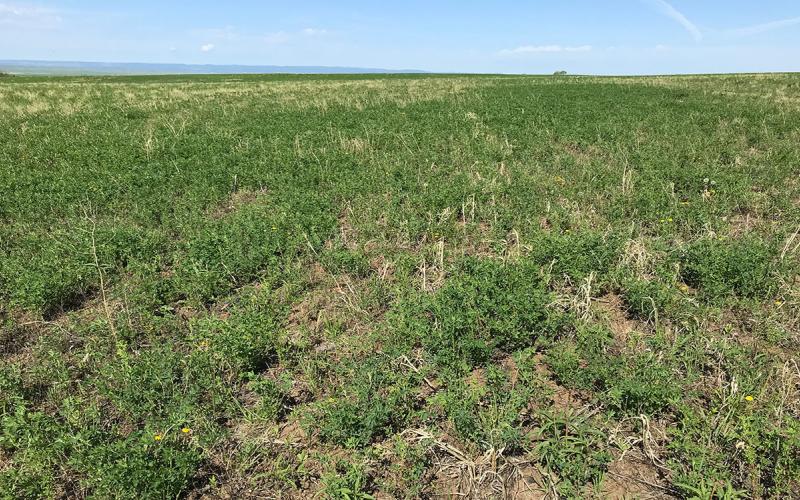
Replanting Cropland Back to Grassland
Planting cropland back to grassland takes some planning regarding previous herbicide use, soil fertility and seed bed preparation. The first step is to identify what resources are currently available to help you reach your objectives and what problems may need to be addressed.
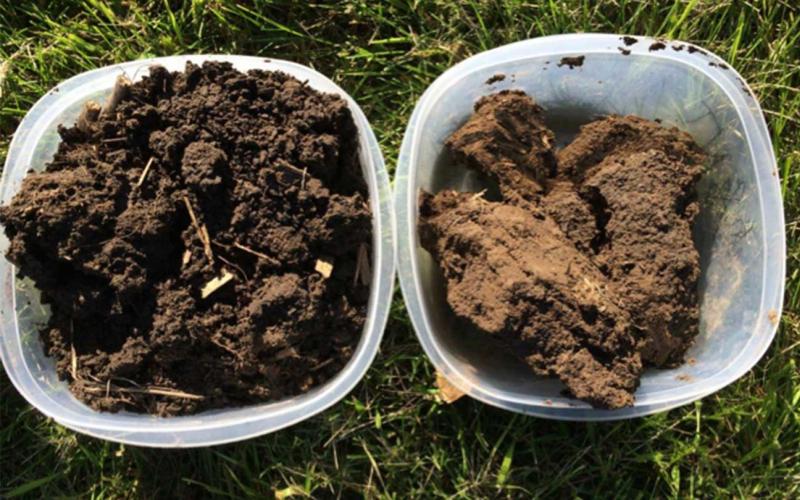
Organic Agronomy Starting to Impact
For decades scientists have known that a handful of soil contained more micro-biological organisms than the number of humans on earth. Science is just beginning to discover these organisms and learn about their functions and contribution to their soil ecosystem.
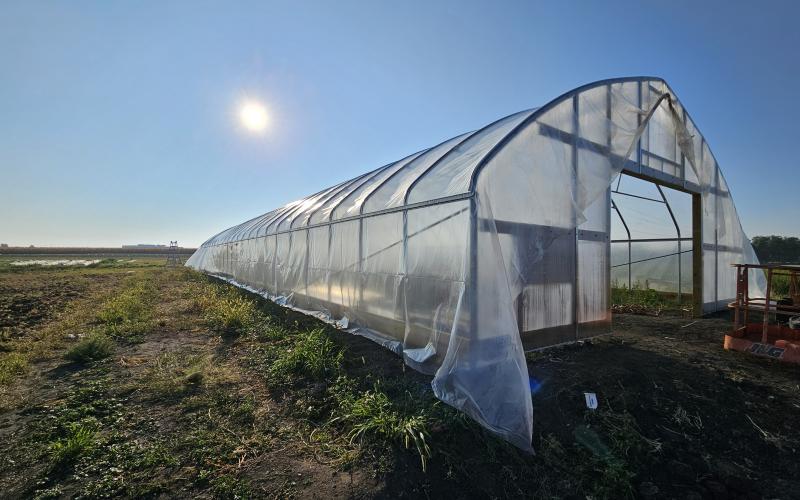
SDSU Extension hosts hands-on high tunnel build experience
April 23, 2024
South Dakota State University Extension is offering a four-day workshop, How to Build a High Tunnel, on May 7-8 and 14-15, 2024, from 9 a.m. to 4 p.m. each day. Registration is required, and space is limited.
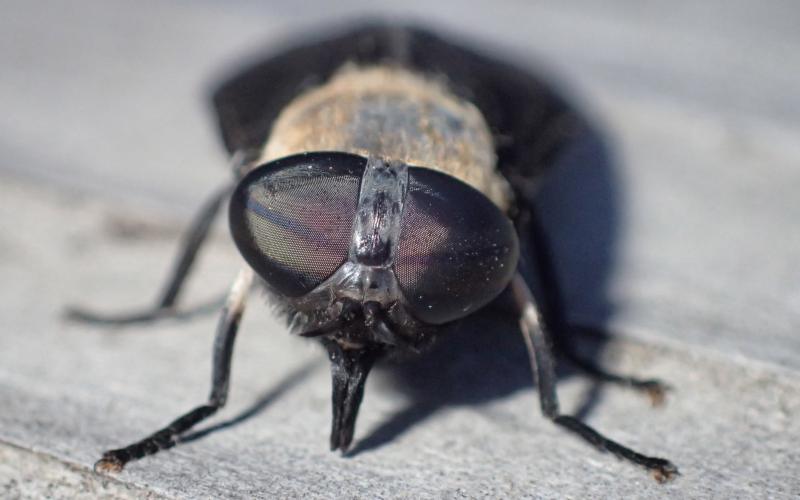
What are Those Gigantic Flies?
As we progress later into the summer, we commonly see an increase in horse fly activity.
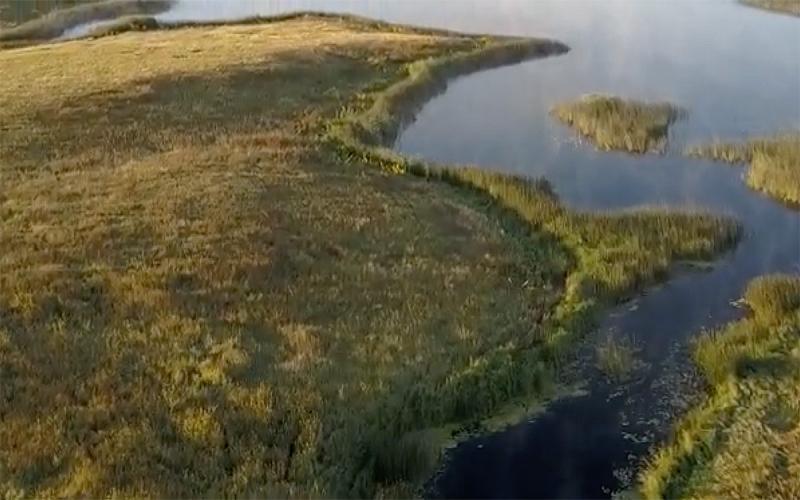
Prairie Pothole Wetlands: Small Basins, Big Impact
The benefits of prairie wetlands extend far beyond wildlife. These wetlands filter pollutants and excess nutrients from agricultural and urban runoff, trap sediment, recharge groundwater, and store floodwater.

SDSU Extension to host 4th annual Specialty Crop Field Day
August 28, 2024
This free, family-friendly event will feature a series of presentations and field tours related to small- to mid-scale commercial vegetable production research trials. Field tours will feature SDSU Extension research plots of cucumbers, tomatoes, melons, onions, peppers and broccolini.
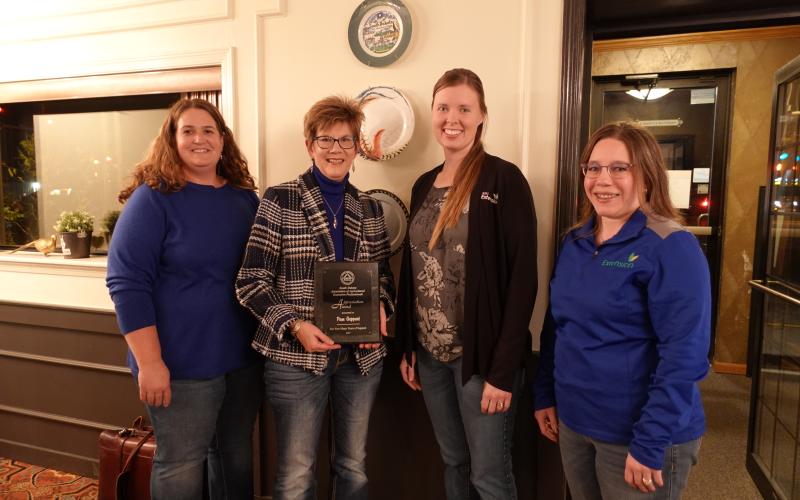
South Dakota Agricultural Extension Professionals Present 2021 Awards
December 08, 2021
The South Dakota Association of Agricultural Extension Professionals announced the 2021 state and regional award winners at their annual meeting on Oct. 26. The association also presented its Friend of SDAAEP award to Dakota Farm Talk’s Pam Geppert.
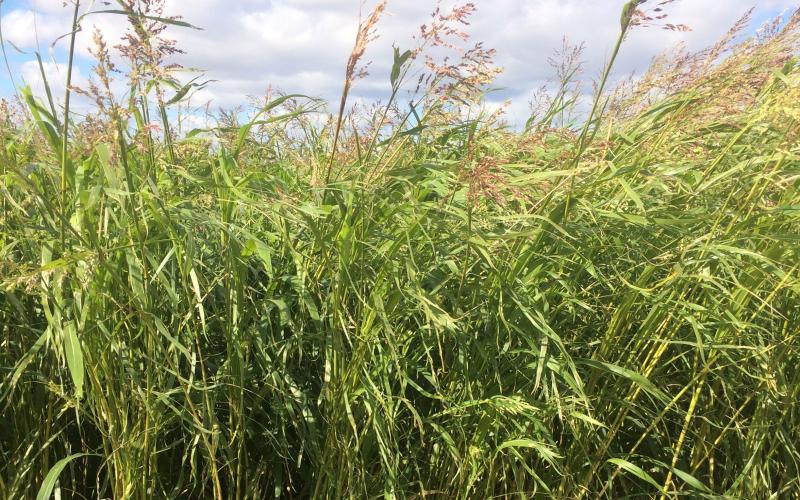
Cover Crops 2019: What to Plant When
As many Midwest producers look to cover crops to build soil health and provide supplemental forage after a soggy spring, many questions are arising regarding management decisions, specifically, species selection and planting timing.