Search

SDSU Extension 4-H to recognize volunteers during 2024 State Fair
August 23, 2024
South Dakota State University Extension is pleased to announce it will recognize 12 volunteers on Sept. 1, 2024, during the South Dakota State Fair in Huron.

SDSU Extension welcomes new swine specialist
March 11, 2025
South Dakota State University Extension is pleased to welcome Rafe Royall as a new assistant professor and SDSU Extension Swine Specialist.
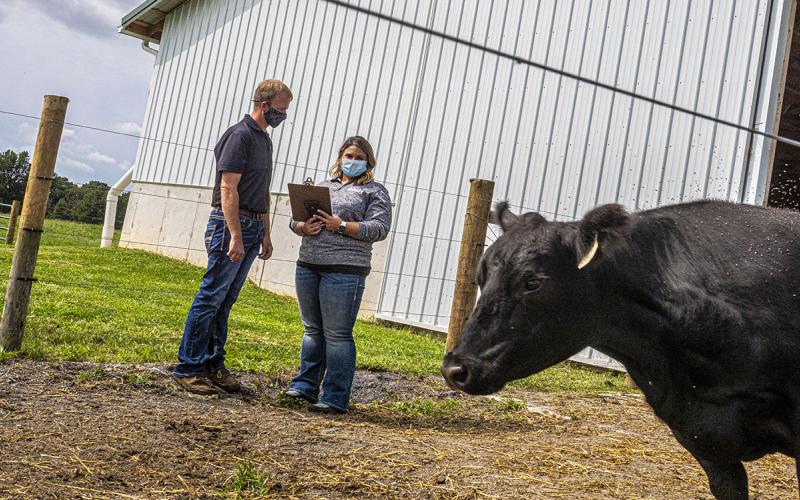
The Secure Beef Supply Plan
The Secure Beef Supply Plan is a continuity of business plan for cattle operations who find themselves affected by movement restrictions during a foot and mouth disease outbreak in the United States.
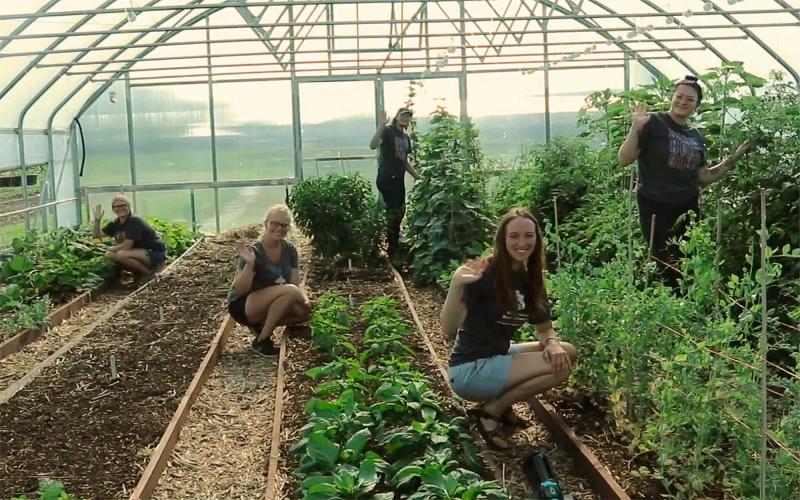
Food Is Medicine
Food Is Medicine programs can range from dietitian- and chef-crafted meals being home delivered to patients with multiple chronic diseases, to incentivizing people using benefit programs to buy more fruits and vegetables.
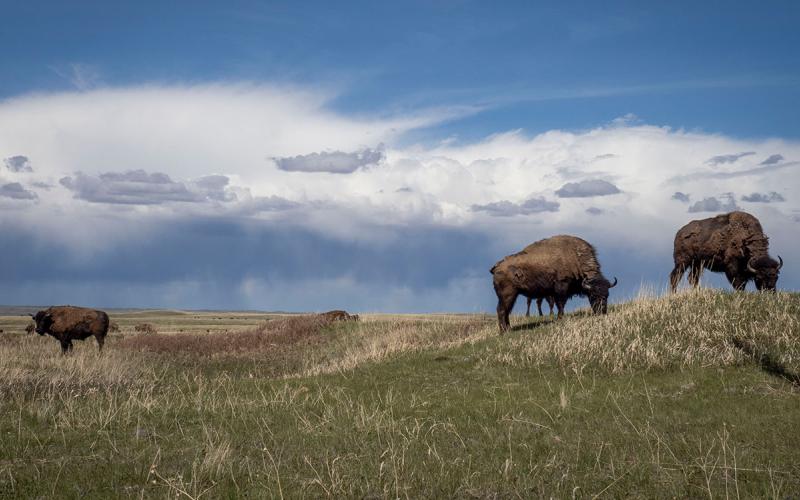
Show Me the Home Where the Buffalo Once Roamed
Have you ever wondered when and where bison were roaming during the colonial period in North America and before? Take an in-depth look at the historic extent of occurrence of bison to better understand their natural habitat.

Strengthening the Heartland
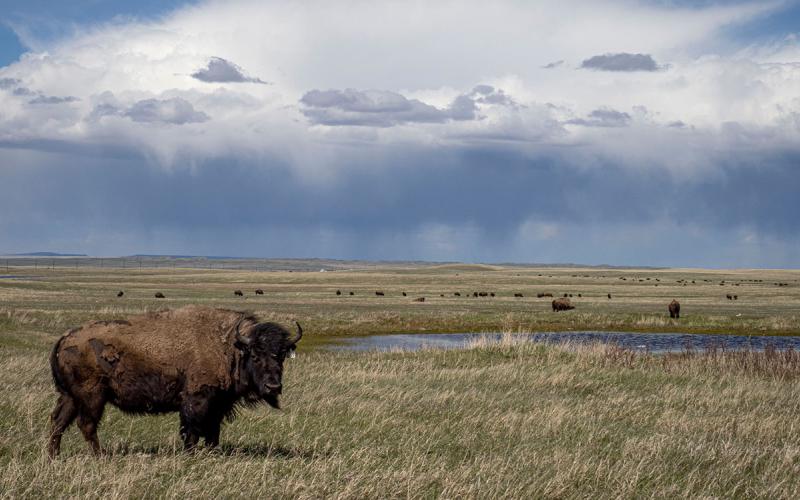
Are bison amenable or non-amenable? How does the definition of bison affect harvest systems and quality of meat and carcasses?
While status of bison as an amenable versus non-amenable species seems confusing and complex, there are associated benefits and consequences for each definition.
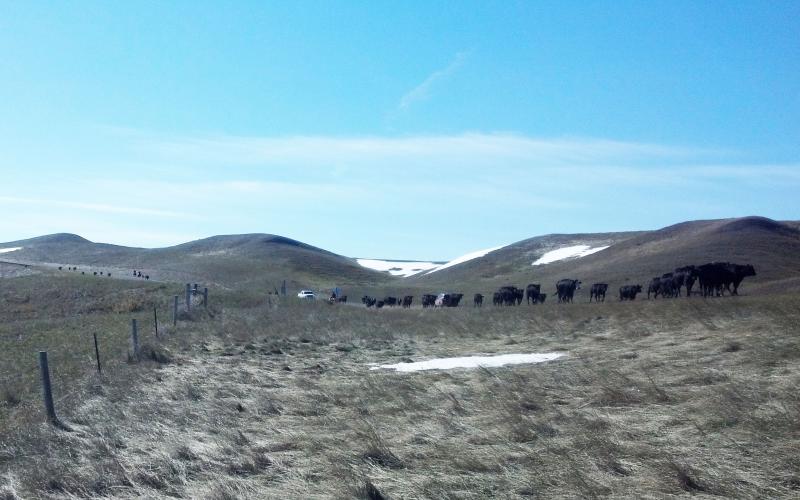
Winter Grazing
The predominant factor in winter grazing is ensuring adequate forage availability while considering long-term range health. When managed correctly, grazing winter range can be a viable option for controlling feed costs without negatively impacting rangelands.
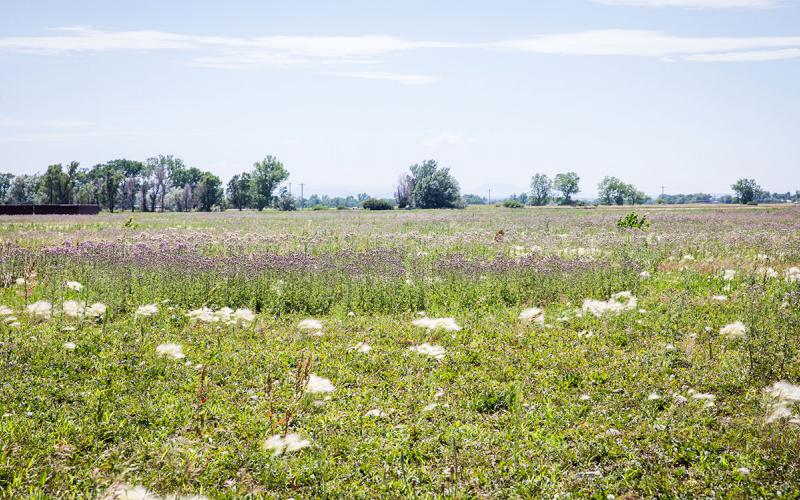
Invasive Species Management in Grasslands
Once invaded, grasslands can shift dramatically toward dominance of exotic species and require an integrated approach to species control that considers all tools, such as mechanical (cutting, burning), cultural (grazing) or chemical alternatives.

Citizen Science in Your Own Backyard With Phenology
Have you ever noticed the first buds breaking on the trees outside? Perhaps you have made note of when you see the first robin of the spring? If so, then you have been studying phenology without even knowing it.