Search
Comparing Soybean Meal to Distillers Grains for Finishing Cattle
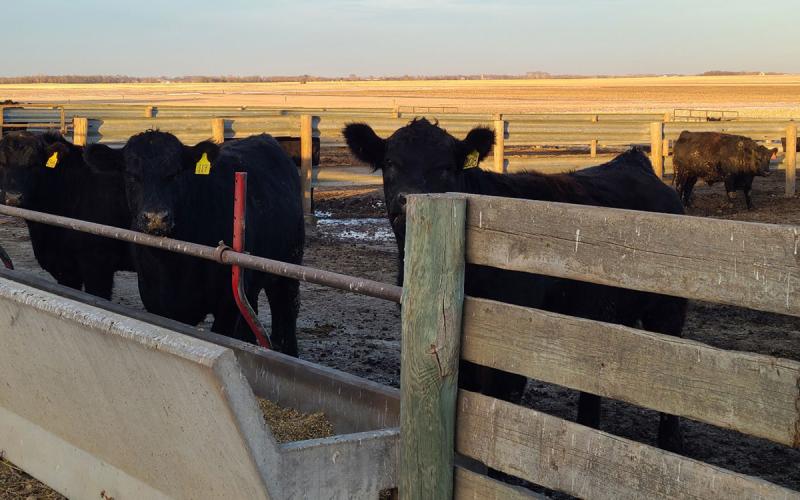
Do different protein sources lead to significant performance differences in finishing cattle? The results of a recent experiment at the SDSU Southeast Research Farm offer cattle feeders some encouraging findings.

Screen Time in a Digital Age
The relationship between overall health and wellbeing in relation to screen time use is described as complex and dependent on a variety of factors, such as developmental periods, types of devices used, and demographic and contextual factors.
Herd Management: Keep or Cull During a Drought?
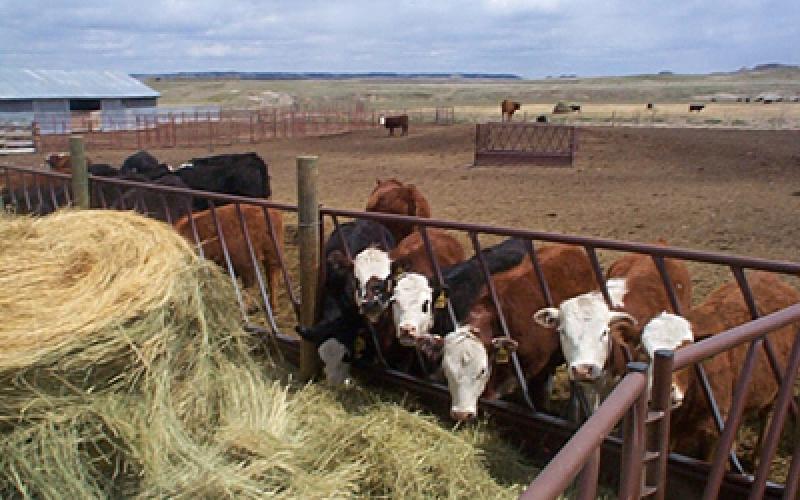
Drought forces unexpected changes so it’s critical to have a strategy to keep only the “right” females that will benefit the operation.
Drought Planning
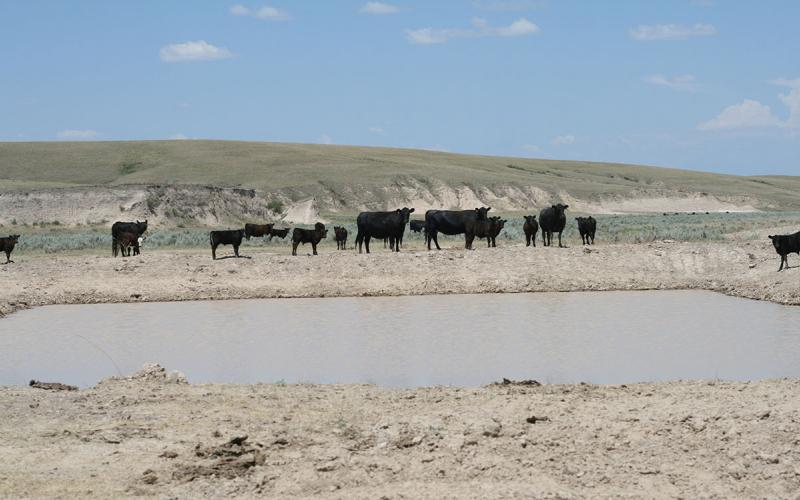
A drought plan will be an essential component to your overall grazing plan, as it provides guidance in making decisions during critical times when forage may be lacking.
![A herd of cattle gather around a stock pond on a vast, lush grassland. Courtesy: USDA [CC BY 2.0]](/sites/default/files/styles/teaser_800x500/public/2019-05/W-00231-00-cattle-grazing-grassland-pasture-range.jpg?h=8f818b46&itok=6GS1_Ww0)
Range Improvements, Grazing Systems and Net Present Value, What is the Right Balance?
As farms and ranches across South Dakota continue to endure increasing costs of production while receiving less cash for grain and livestock marketed; ranch managers must be extra diligent when implementing new range improvements and grazing systems on their ranches.
Multi-Peril Crop Insurance: Delayed and Prevent Plant Choices
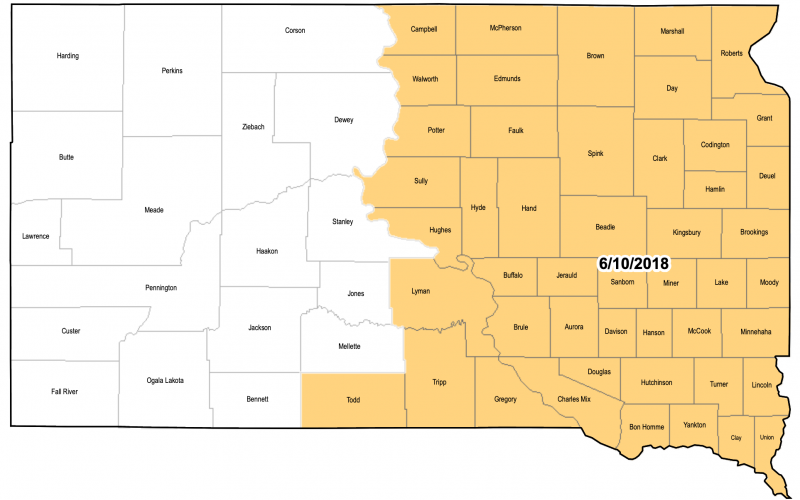
Crop insurance late plant dates are fast approaching for planting crops in South Dakota. The weather and soil conditions this spring will likely lead to some prevent plant situations for farm producers.
Project to Study Soil Health Economics in South Dakota
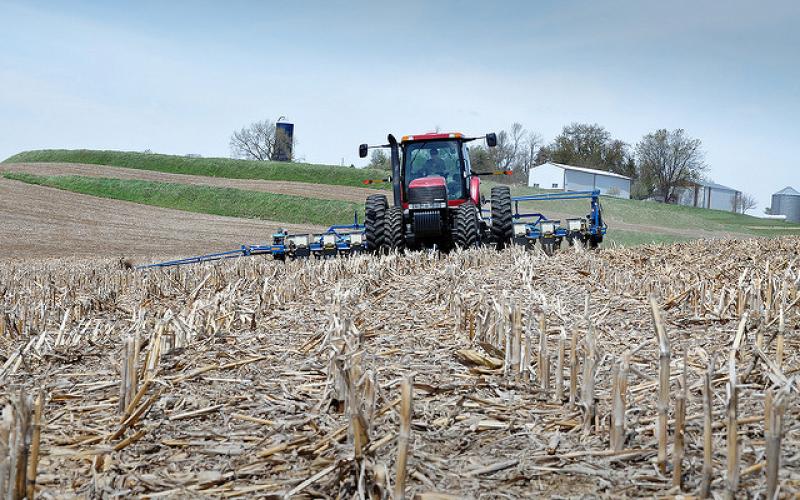
Soil degradation has become one of the most pressing global issues, because of its adverse effects on world food security, environment and quality of life.
Lessons From Alternative Calving Workshops
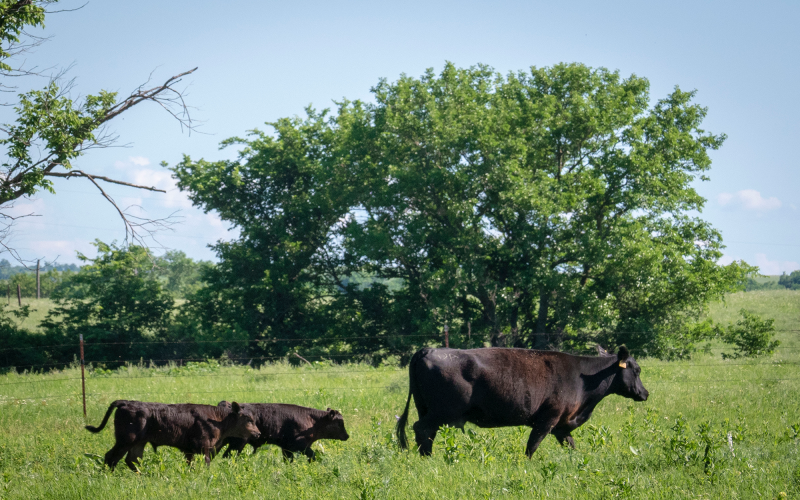
Recently, the South Dakota Grassland Coalition and SDSU Extension held workshops across the State focused on sharing information from experienced livestock producers who have switched to a calving date more in sync with nature.
South Dakota Agricultural Extension Professionals Present 2021 Awards
December 08, 2021
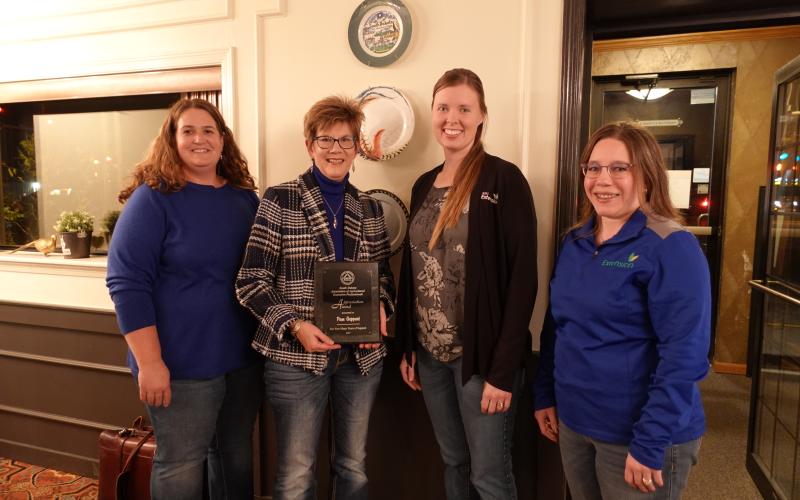
The South Dakota Association of Agricultural Extension Professionals announced the 2021 state and regional award winners at their annual meeting on Oct. 26. The association also presented its Friend of SDAAEP award to Dakota Farm Talk’s Pam Geppert.
Managing Soil and Soil Fertility After Flooding
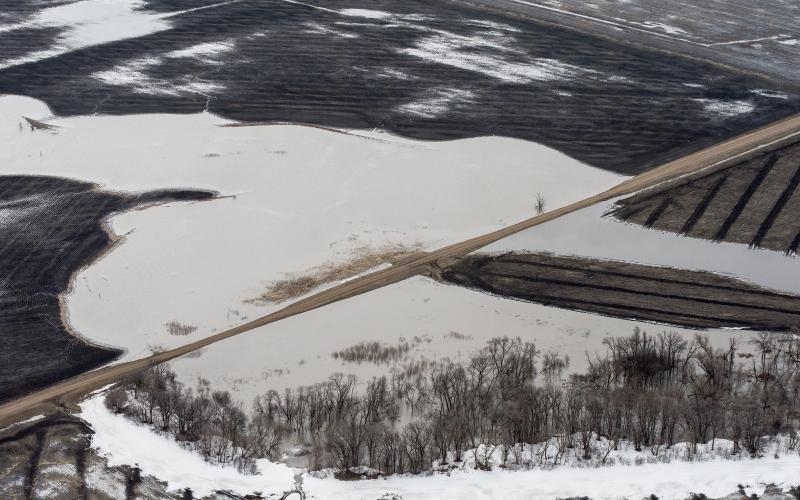
During floods, your fields will experience different amounts of erosion, sediment deposition, and crop residue accumulation. To avoid compaction of these soils it is crucial to let soils drain and dry out sufficiently before removing any large debris from fields or working the soil.