Search
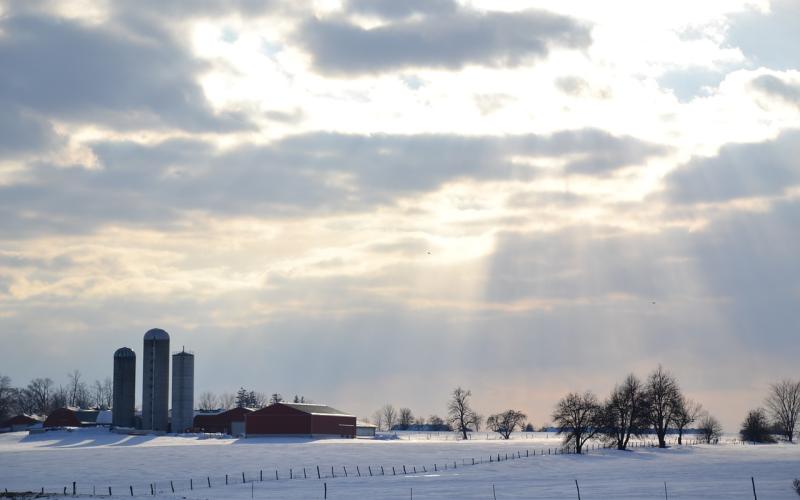
Preparing for Calving Season
Whether the calving season will start soon or is a few months away, it’s never a bad time to start preparing for the arrival of fresh calves on the ground. Here are some things to consider prior to the beginning of calving.
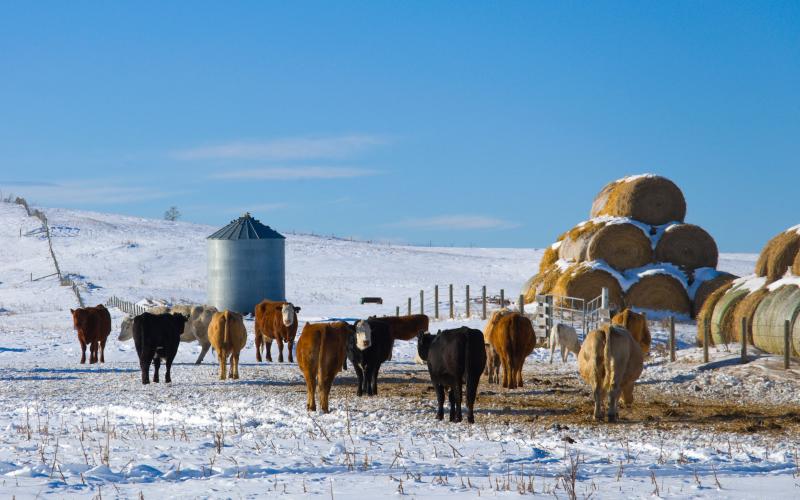
Bunch the Cow Herd
Reproduction is one of the biggest drivers of economic success. Cows stressed by cold, wind, snow, and mud will put energy resources into body condition maintenance and lactation prior to recycling.
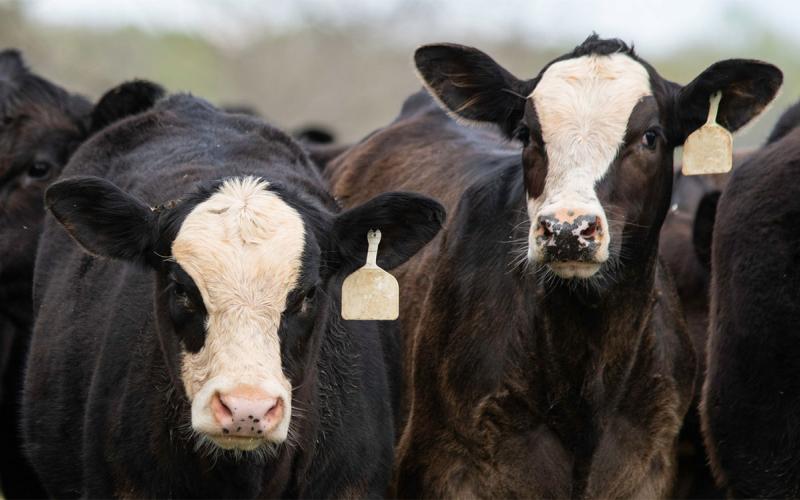
Sell the Feeder Calf, or Create a Yearling?
Fall brings many weaning and selling time decisions for cattle operations. Learn some expert tips for evaluating your current situation and making informed management decisions given the price of calves, feed, and the futures market.
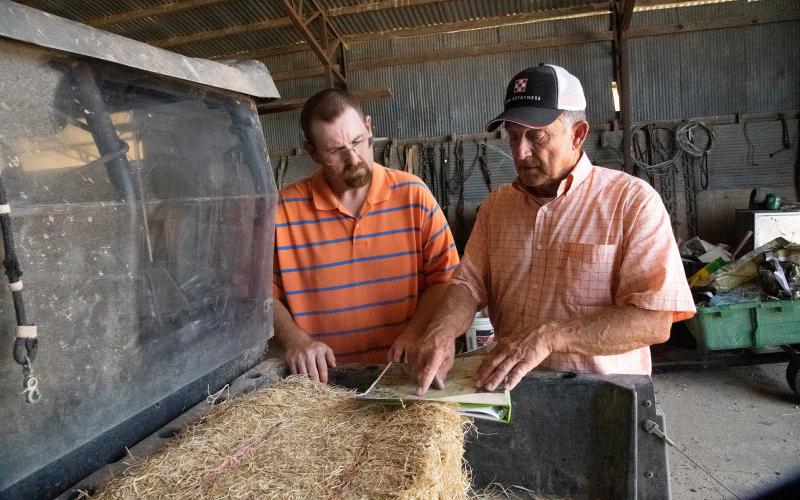
Livestock Risk Protection for Cattle
Price rallies, general price volatility and concern that prices may move lower could lead producers to insure livestock prices. Livestock Risk Protection is an insurance program that covers the single-peril or risk of lower prices on fed cattle and feeder cattle.
Questions and Misconceptions Surrounding Implants
Growth promoting implants are among the most widely used technologies in the beef industry. The first implant received FDA approval in 1954, yet in spite of a long history, there are still myths and misconceptions surrounding their use.
Comparing Cover Crop Mixture Performance after Oats and its Effect on Corn Yield the Following Year
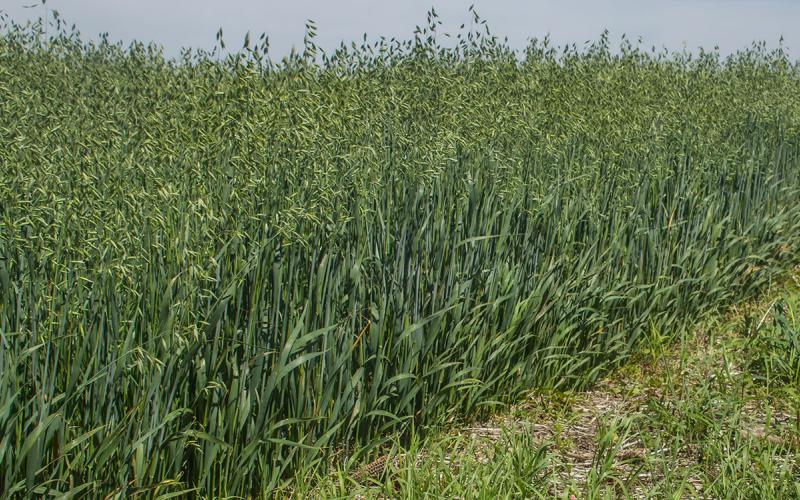
A research trial completed at the South Dakota Agricultural Experiment Station Northeast Research Farm comparing cover crop mixture performance after oats and its effect on corn yield the following year.
Field Studies: Blowing the Whistle on Marketing Claims
With technology surrounding today’s culture, data and marketing information has become a key part of life. The best way to determine if a product or practice is effective is to ask for the data and research backing a company’s claims. However, before a producer makes a decision, understanding the data and statistics is key.
Planning Forage Needs
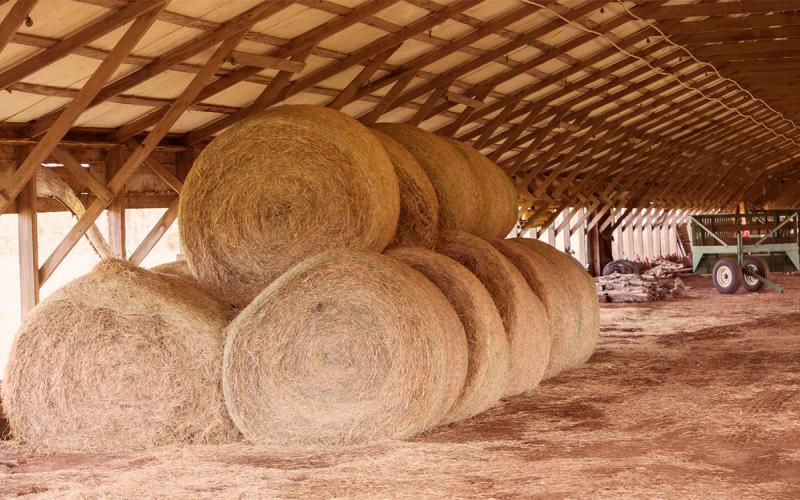
Inventorying and planning for hay and other forage feed needs is essential every year, especially when production is uncertain due to drought or excess moisture.
SDSU Extension to Host Sustaining the Legacy Virtual Conference
November 13, 2020
SDSU Extension will host a Sustaining the Legacy virtual conference on December 2, 9 and 16 from 6:30 p.m. to 9:30 p.m. CST each evening.
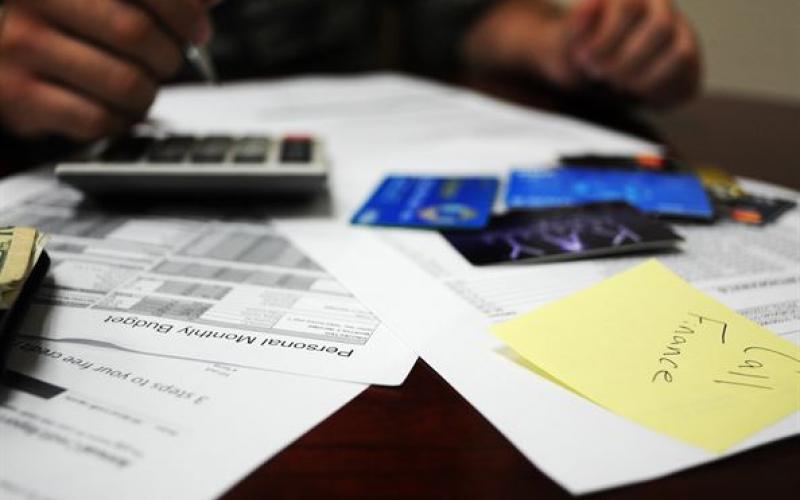
Financial Record Keeping Software: A comparison of Quicken and QuickBooks
As fall nears many producers are beginning to gather their records to prepare for taxes. From these records many important operating decisions are made. Agriculture producers often use computer software to keep financial records. While there are software packages tailored for farm and ranch businesses, many producers successfully use general commercial software such as Quicken® or QuickBooks®. Both products can be useful for an agricultural producer’s record keeping. The question which often arises from producers is, “which one do I need”?