Search
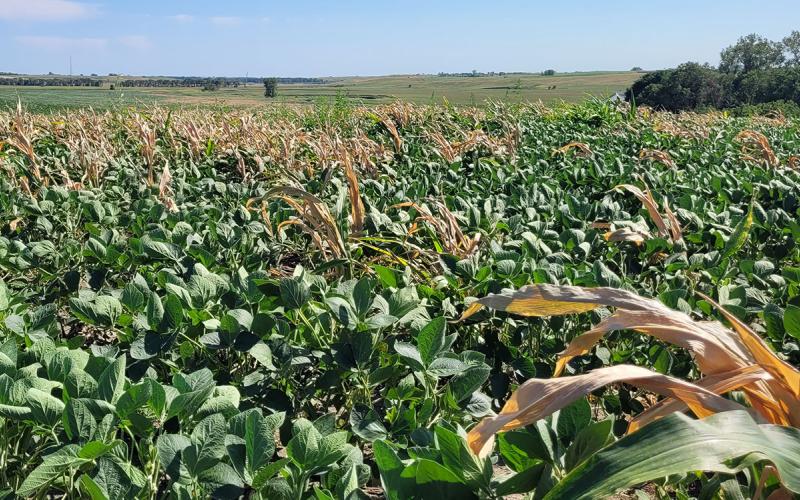
Stalk Grazing to Combat Volunteer Corn
Fall aftermath grazing by livestock, particularly cows, can dramatically reduce the amount of volunteer corn in the field. Learn some key benefits that stalk grazing can bring to your operation.

Incorporating Corn Into Beef Cow Rations Can Save Forage and Feed Expenses
For operations with the right facilities and management ability, replacing forage with corn can stretch forage supplies and potentially reduce feed costs.
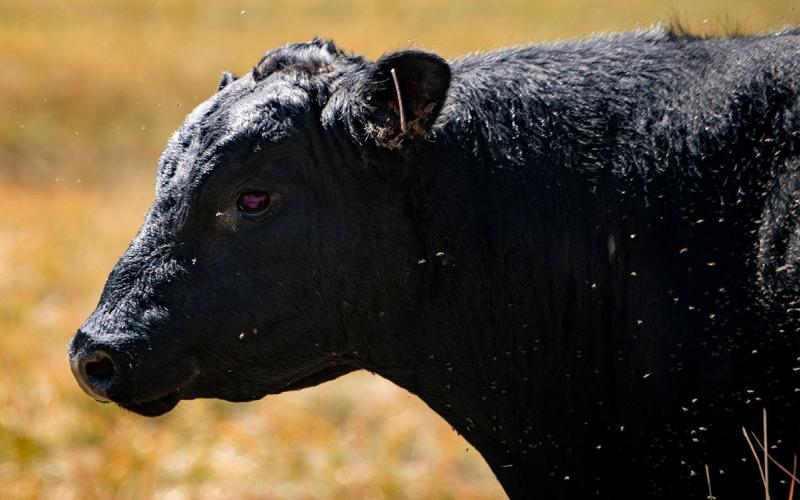
What Does Pinkeye Cost?
A common disease during fly season, pinkeye in cattle can have a measurable impact on profits. A recent research project investigated the impact of eye issues on sale barn prices to find out just how much.
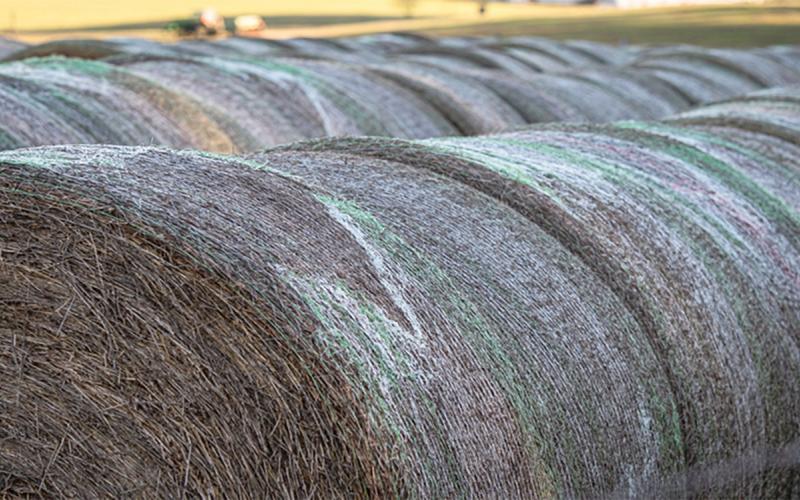
Best Management Practices for Reducing Dry Hay Storage Loss
When hay prices are high, proper storage is financially important. Learn some best management practices to reduce storage loss and ensure an adequate forage supply.

The Twelve Days of Fitness
It is common for health and fitness to take a backseat during the holiday season, but this fun, family-friendly workout can get everyone moving together to have a happy and healthy season ahead!
Does the GREET Carbon Model Address Soil Health Principles?
Learn how the recent Greenhouse Gases, Regulated Emissions, and Energy Use in Technologies (GREET) production model lines up with the Five Soil Health Principles.
Economic Impact of the Beef Industry on South Dakota
The beef industry in South Dakota makes a significant contribution to economic output and development in the state. As of January 1st, 2012 there were 1,610,000 beef cows in South Dakota. These cows produced 1,710,000 calves during the year and the industry produced an estimated $2,283,766,027 in gross income during 2012 (South Dakota Agriculture 2013).
Does the COMET Carbon Model Address Soil Health Principles?
The COMET-Farm model, developed by USDA/NRCS and Colorado State University, is a whole farm and ranch carbon and greenhouse gas accounting system. Learn how it addresses the Five Soil Health Principles.
Farming Practice Comparisons in South Dakota: A case study across the fence and implications for the future
This extension study intends to provide some new insights on the financial and carbon storage comparisons between neighboring farms using conventional farming versus conservation practices (mainly no-till and cover crops).
The Cost of Late Calvers
Pounds of beef sold is a key number for cattlemen. Late calvers the cows that drag out the calving season, may cost producers more than extra work and management, they may actually be costing dollars.