Search
Delayed Planting Challenges: Cover Crop Considerations
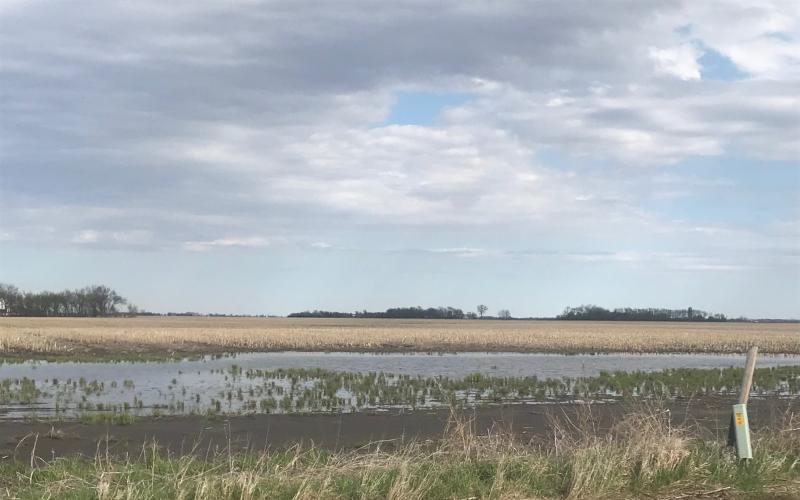
High waters and saturated soils across many counties in South Dakota have producers worried about getting their crops planted in a timely manner this spring. In many areas, typical cash crops will not be a possibility. Producers may need to develop alternative plans.
Are My Crops Susceptible to Chilling Injury?
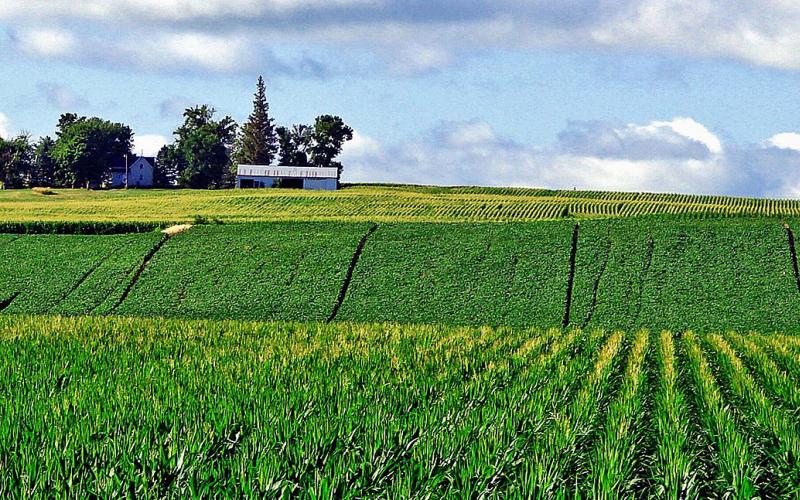
To say that the spring of 2019 has been a challenge for South Dakota producers is an understatement. According to the USDA-NASS, corn and soybean planting progress in SD was pegged at 19% and 4% on May 20th, respectively, which is far below the 5-year averages of 76% and 39%. Last week was the first time much of either crop was planted in SD.
Alfalfa Mosaic Developing in a Few Alfalfa Fields
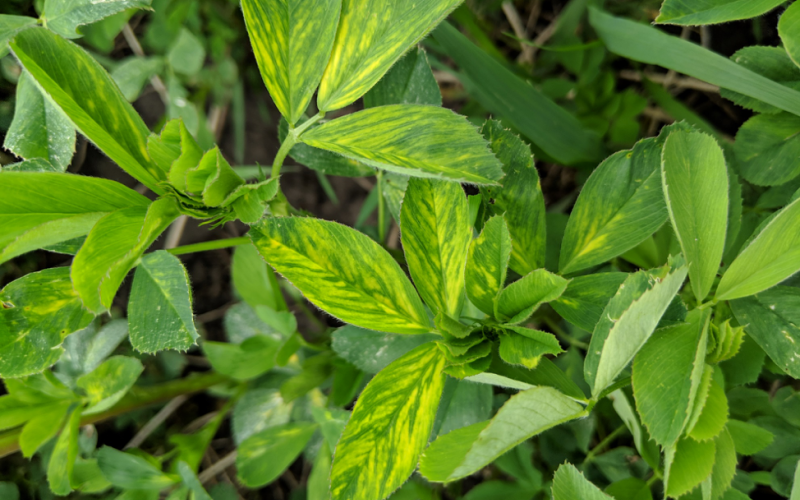
In South Dakota, alfalfa fields that were recently scouted were found to be infected with Alfalfa mosaic virus (AMV) at a very low incidence. AMV is a common virus in alfalfa that can also infect soybeans.
Soybean Gall Midge: It’s a New Species!
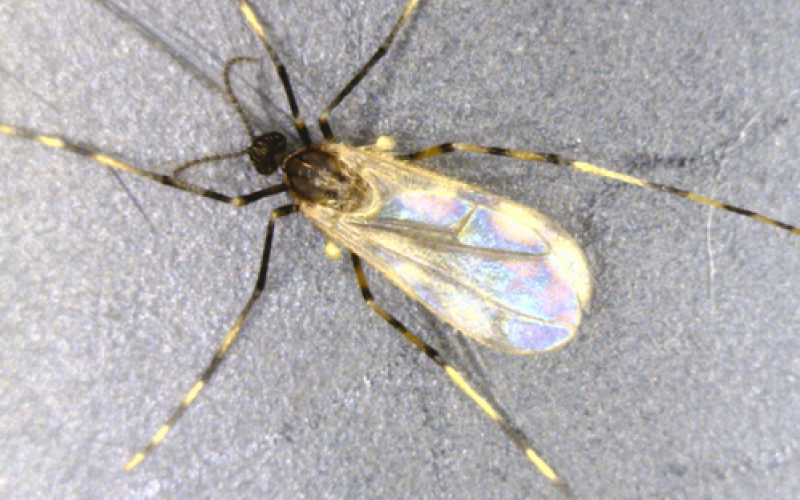
Researchers recently determined that the soybean gall midge, discovered in South Dakota in 2015, is actually a previously undocumented species. The origin of the new species, Resseliella maxima Gagné, is still unknown.
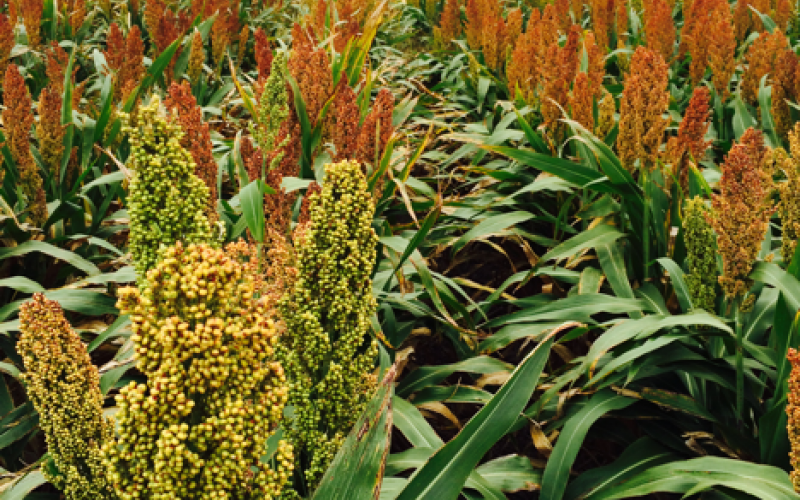
Determining Sorghum Seeding Rate
Seeding rate can have significant impacts on sorghum yields.
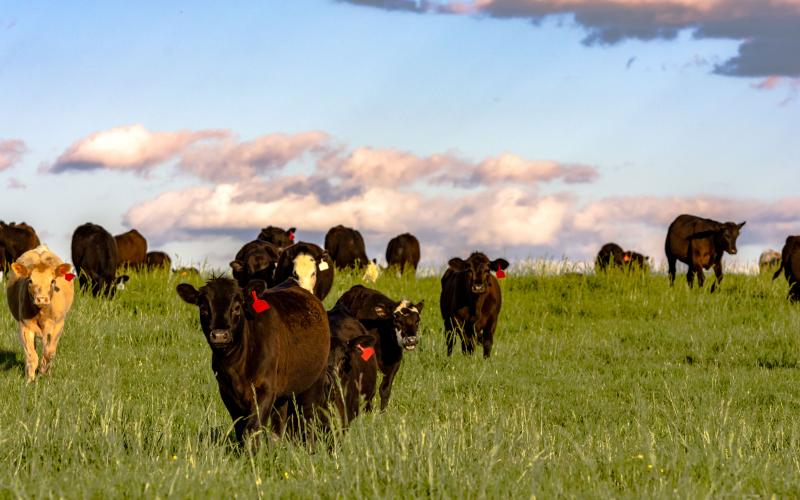
Pregnancy Diagnosis in Your Cow Calf Herd
Early pregnancy diagnosis and being able to identify AI sired calves from calves sired by clean-up bulls is crucial for maximizing herd productivity and increasing economic return from your cows.
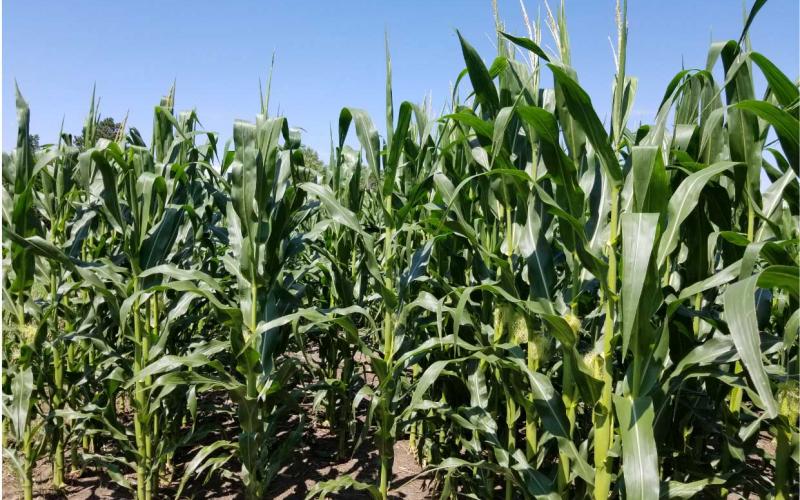
2019 Corn Growing Degree Day Update
Growth and development in crops are a direct response to accumulated heat units or growing degree days (GDD). The Corn GDD Tool at the High Plains Regional Climate Center can be a useful resource for not only estimating crop growth stage, but also for selecting hybrids within the appropriate maturity group.
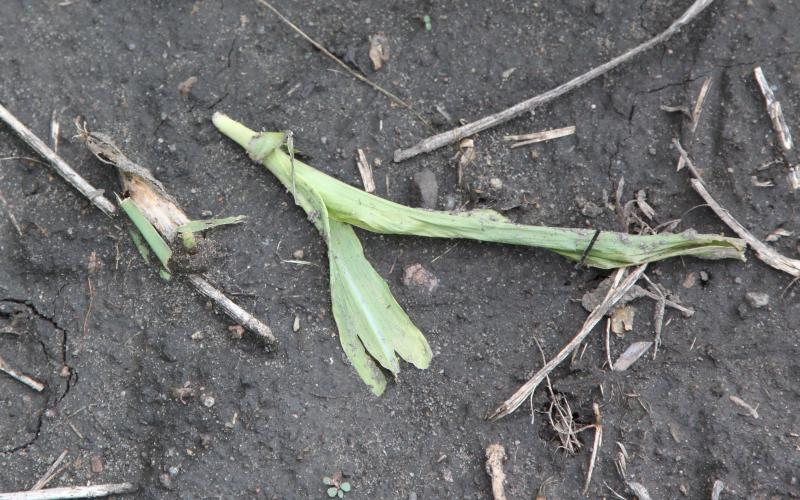
Monitor Newly Emerged Corn for Black Cutworm Activity
There are several important insect pests that can severely injure corn during the early vegetative stages. One of these pests is the black cutworm. Although black cutworm caterpillars injure corn by feeding on leaf tissue, the serious damage occurs when caterpillar feeding results in the cutting of young corn plants.

Watch Corn for Bronzed Cutworm Activity
Bronzed cutworms are not a common pest of corn in South Dakota. However, they can become an issue when corn is planted into areas that were previously grassland. Like its name implies, bronze cutworms feed on corn above the soil surface, which often results in cutting or clipping.
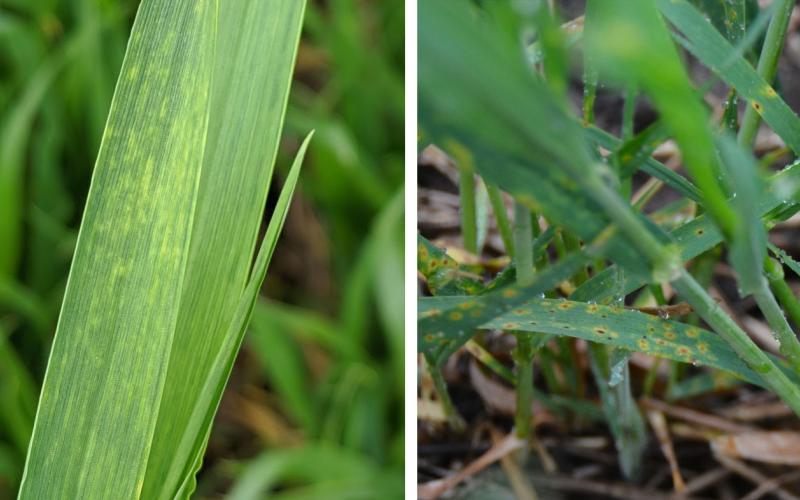
Winter Wheat Disease Update: Wheat Streak Mosaic and Tan Spot Developing at Low Level
Winter wheat fields scouted the week of May 27, 2019 in South Central South Dakota were found with wheat streak mosaic virus and tan spot developing at very low levels. Both diseases were found in non-rotated wheat fields.